WHO confirms DRC Ebola outbreak began months before official declaration
The World Health Organization has revealed that the Bundibugyo virus outbreak in the Democratic Republic of Congo started in February, with early cases wrongly identified as malaria and typhoid, complicating containment efforts.
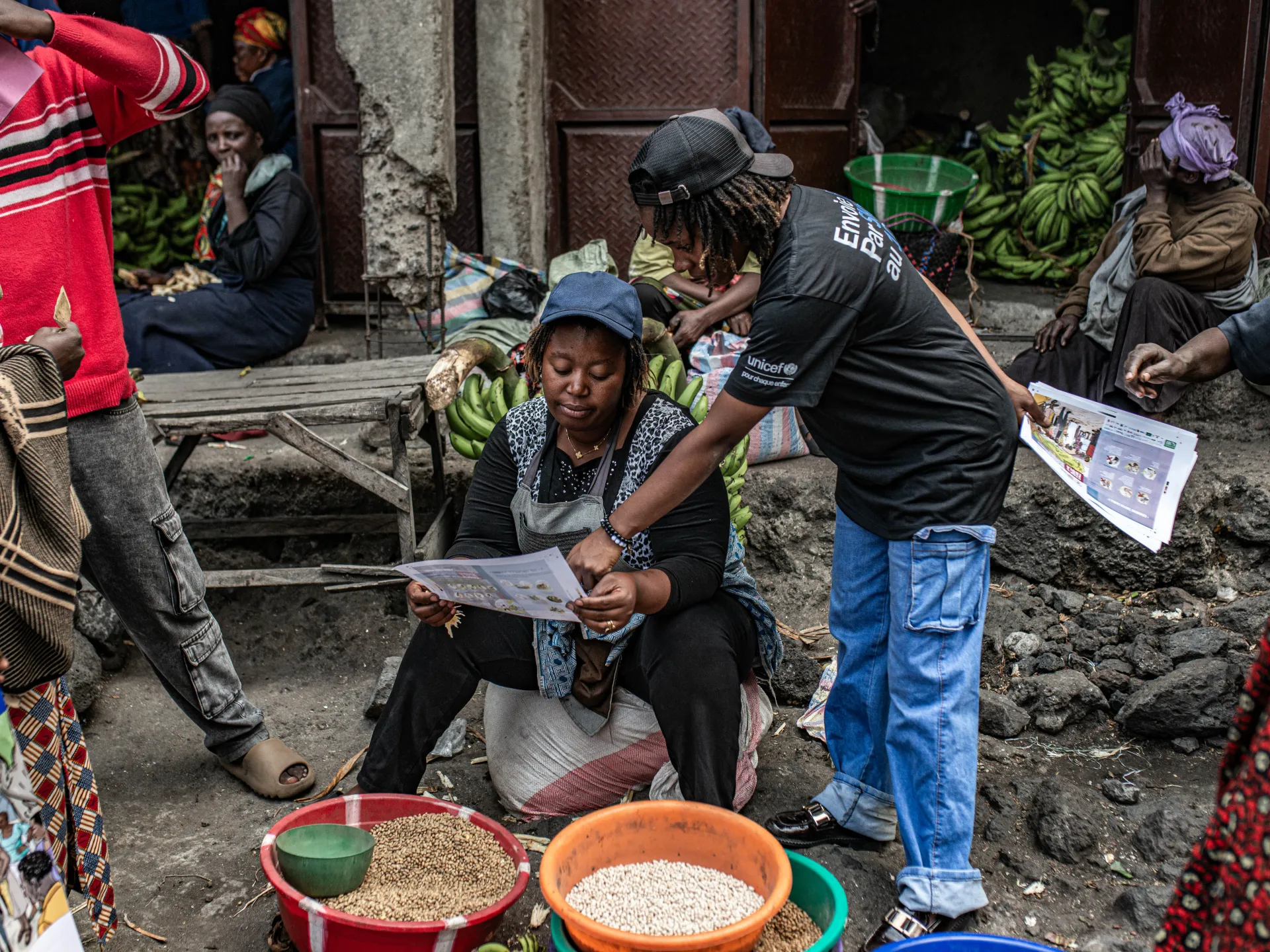
The World Health Organization (WHO) has confirmed that the Ebola outbreak in the Democratic Republic of Congo began in February, several months prior to its official declaration in mid-May. Mohamed Janabi, the WHO’s regional director for Africa, stated that genomic sequencing indicated the earlier start date, noting that initial cases were frequently misdiagnosed as malaria and typhoid. This diagnostic delay contributed significantly to the current crisis, which is now recorded as the fastest-growing Ebola outbreak on record.
According to the latest government figures, the outbreak has reached 4,200 confirmed cases and at least 1,900 deaths. The virus causing this surge is the rare Bundibugyo strain, which lacks approved vaccines or specific treatments. WHO Director-General Tedros Adhanom Ghebreyesus noted that new cases are doubling in some hotspots, indicating that the virus is spreading faster than current containment efforts.
The outbreak is unfolding in a complex security and humanitarian environment. Health teams face logistical challenges including remote, unpaved roads and shortages of protective gear. Compounding these issues are strikes by unpaid health workers, threats from rebel groups, and widespread misinformation claiming the disease is not real. Displaced populations also struggle with inadequate hygiene infrastructure, including unreliable water sources.
In response to the rapid spread, the WHO recommended on Friday the commencement of full-scale human trials for the Ervebo vaccine. While Ervebo is the only licensed Ebola vaccine and has proven safe and effective against the common Zaire strain, early data suggests it may offer some cross-protection against the Bundibugyo strain. Specific vaccines for the Bundibugyo variant remain in early clinical stages, with two currently in trials and a third in development.
Historical benchmarks highlight the severity of the current situation. The 2014-2016 West Africa epidemic, which killed over 11,000 people, took approximately eight months to reach 1,000 deaths. In contrast, the current outbreak in the DRC has surpassed this speed. Previous outbreaks, including the West Africa epidemic, were also declared weeks or months after initial cases occurred, underscoring the persistent challenges in early detection and response.