White House UFC Event Highlights Governance Tensions Amidst Sporting Spectacle
President Donald Trump’s praise for mixed martial arts athletes and comments on crowd composition raise questions about institutional norms and the commercialisation of the White House grounds.
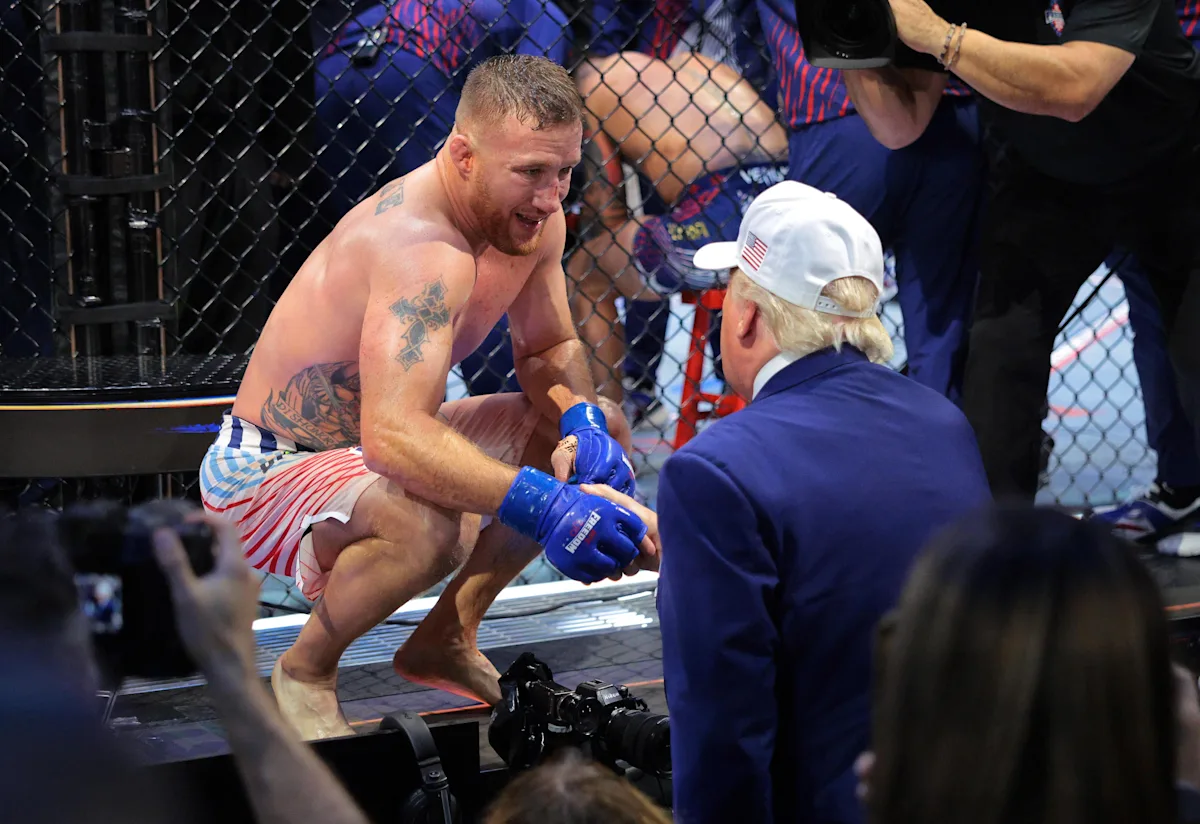
The South Lawn of the White House hosted a significant deviation from standard diplomatic or legislative functions on 14 June 2026, when the Ultimate Fighting Championship (UFC) held its Freedom 250 event. President Donald Trump attended the gathering, engaging directly with athletes and offering public commentary that blurred the lines between political leadership and sports entertainment. The event, described by observers as one of the strangest sports spectacles in recent memory, featured seven bouts, all of which concluded via knockout, with two new champions being crowned.
President Trump’s interaction with the athletes was immediate and extensive, occurring one-on-one in the aftermath of their victories. During his remarks, the President praised the competitors as the “strongest, toughest men on Earth,” highlighting their physical attributes and strategic intellect. He specifically noted the absence of women in the crowd, stating, “No women, which is nice,” while also commending the athletes’ muscles and the “genius” required for the sport. Trump emphasised the mental fortitude involved, suggesting that the strategy and courage displayed by the fighters exceeded normal athletic expectations.
The event also drew attention to the administrative and financial implications of hosting commercial sporting events on federal property. UFC CEO Dana White expressed reservations regarding the cost of staging a repeat event at the White House. Despite these financial concerns, White acknowledged the possibility of a “Fight for the Troops”-style gathering in the following year, indicating a potential precedent for future executive involvement in commercial sports promotions.
The juxtaposition of the President’s comments on gender composition with the celebratory nature of the event has sparked discussion regarding the appropriateness of such remarks from the highest office. Trump’s observation that the absence of women in the crowd was “nice” was delivered in the context of praising the athletes, yet it underscores a broader conversation about inclusivity and representation in both sports and political spaces.
As the nation moves past the June 14 event, the implications for future White House engagements with sports organisations remain unclear. The combination of high-profile athletic competition, executive endorsement, and controversial commentary presents a complex case study in the evolving relationship between the presidency and commercial entertainment. The administration’s stance on future events will likely be influenced by the financial and political considerations raised by UFC leadership.