White House talks focus on Iraq militia disarmament amid verification scepticism
Analysts describe recent pledges by Iran-aligned factions to hand over weapons as tactical rebranding, noting that militia-aligned parties hold significant political power in Baghdad, complicating independent verification of disarmament.
US Secretary of State Marco Rubio and Iraq’s new Prime Minister Ali al-Zaidi are scheduled to hold talks at the White House, with the disarmament of Iran-aligned paramilitaries expected to be a primary topic of discussion. The US is seeking to neutralise the threat posed by the Popular Mobilization Front (PMF) and its factions, which are accused of launching attacks on US bases in Iraq, Kuwait, and Jordan during the ongoing US-Iran conflict. In response to US pressure, including sanctions and threats to block oil revenues, the Iraqi government has stated that all arms should be brought under state control by the end of September.
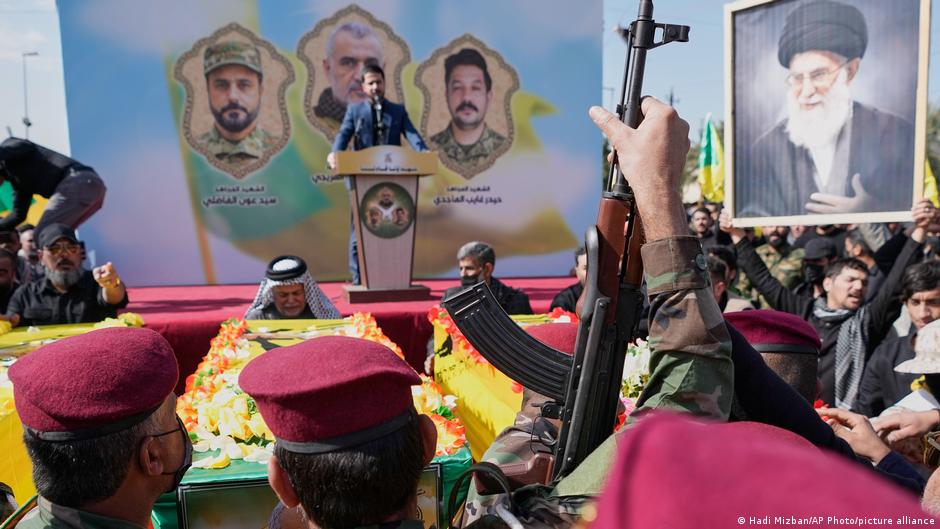
Several PMF factions, including Muqtada al-Sadr’s Saraya al-Salam, Asaib Ahl al-Haq (AAH), and Kataib Imam Ali, have pledged to transfer weapons and personnel to the state or end ties with the PMF. However, analysts describe these moves as tactical rebranding rather than genuine disarmament, noting that militia-aligned parties hold significant political power in Iraq, making independent verification of weapon transfers difficult.
Asaib Ahl al-Haq (AAH) and Kataib Imam Ali have agreed to end organisational ties to the PMF and transfer weapons, a move analysts describe as "rebranding" rather than genuine disarmament. AAH, active since 2006, has a history of criminal activities and targeting US troops, but is now seeking greater political influence rather than continuing its "resistance agenda."
Kataib Hezbollah, a PMF faction closer to Iran, has vowed not to disarm or cease "resistance" activities, highlighting the fragmented nature of the militias. Analysts note that militia-aligned political parties hold a quarter of seats in parliament and control key ministries, making independent verification of disarmament difficult.
The disarmament pledges ignore accountability for past crimes, including mass murder, ethnic cleansing, and forced disappearances, which critics argue normalises these groups. Consequently, the US objective of neutralising the threat posed by Iranian proxies remains unachieved, with the risk of continued anti-US actions persisting despite the political shift of some factions.