White House adviser dismisses US claim of destroyed Iranian missile capability
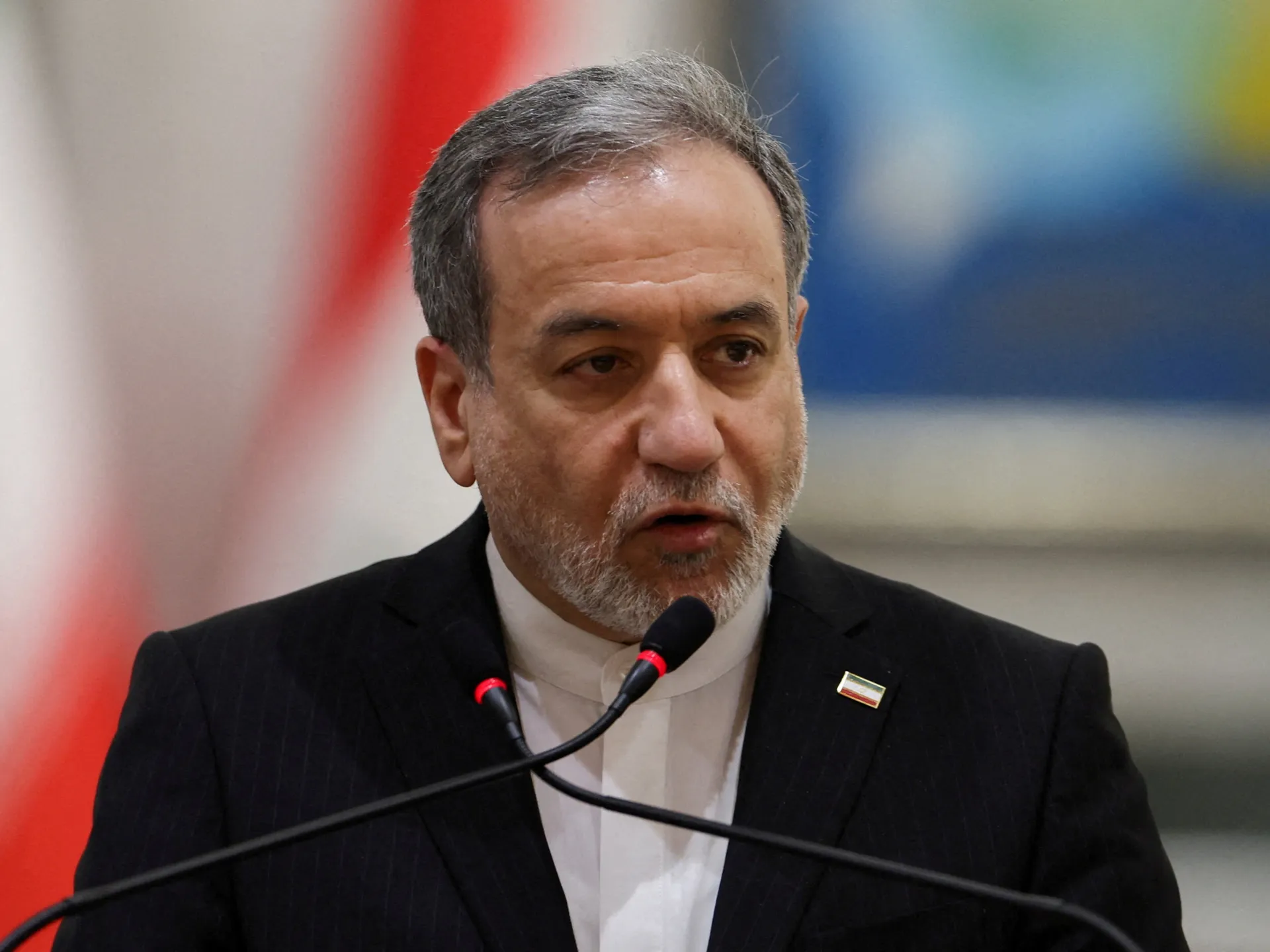
A former White House adviser has characterised Washington’s assertion that Iran’s ballistic missile capability has been eliminated as a “pipe dream”, casting doubt on official narratives regarding the ongoing military campaign.

The United States has asserted that it has successfully destroyed Iran’s ballistic missile capability, a claim that has immediately drawn scepticism from within the political sphere. A former White House adviser has publicly challenged the validity of this assertion, describing the statement as a “pipe dream” rather than a verified military outcome.
The dispute highlights the growing divergence between official government statements and internal political critique regarding the conduct and results of the military campaign. While US authorities maintain that the objective of neutralising Iran’s ballistic missile infrastructure has been achieved, the former adviser’s comments suggest a fundamental disagreement over the extent of the damage inflicted.
This controversy unfolds as the conflict between the two nations enters its fifth month. The duration of the engagement has prompted various strategic assessments, with former President Trump defending the blockade and the broader military campaign as a “great service for the world”.
In previous addresses, Trump has urged Americans to accept higher gasoline prices as a necessary economic cost to prevent Iran from acquiring a nuclear weapon. He has characterised the increased fuel costs as a minor burden compared to the geopolitical objective of stopping what he described as a “very evil country”.
The actual extent of the damage to Iran’s missile infrastructure remains unverified by independent sources in the provided material. The conflicting accounts underscore the uncertainty surrounding the operational success of the US military actions and the reliability of official claims regarding the degradation of Iranian capabilities.
As the situation develops, the lack of corroborating evidence for the US claim continues to fuel debate. The former adviser’s dismissal of the official narrative adds a layer of political complexity to the reporting on the conflict, raising questions about the transparency of military assessments.
The incident serves as a reminder of the challenges in verifying military outcomes in real-time. With the conflict ongoing and no independent verification available, the disparity between the US government’s position and the former adviser’s assessment remains a central point of contention.