White House accuses US Navy of piracy while enforcing Iran blockade
Administration faces legal challenges under 1973 War Powers Resolution as Tehran warns of renewed hostilities
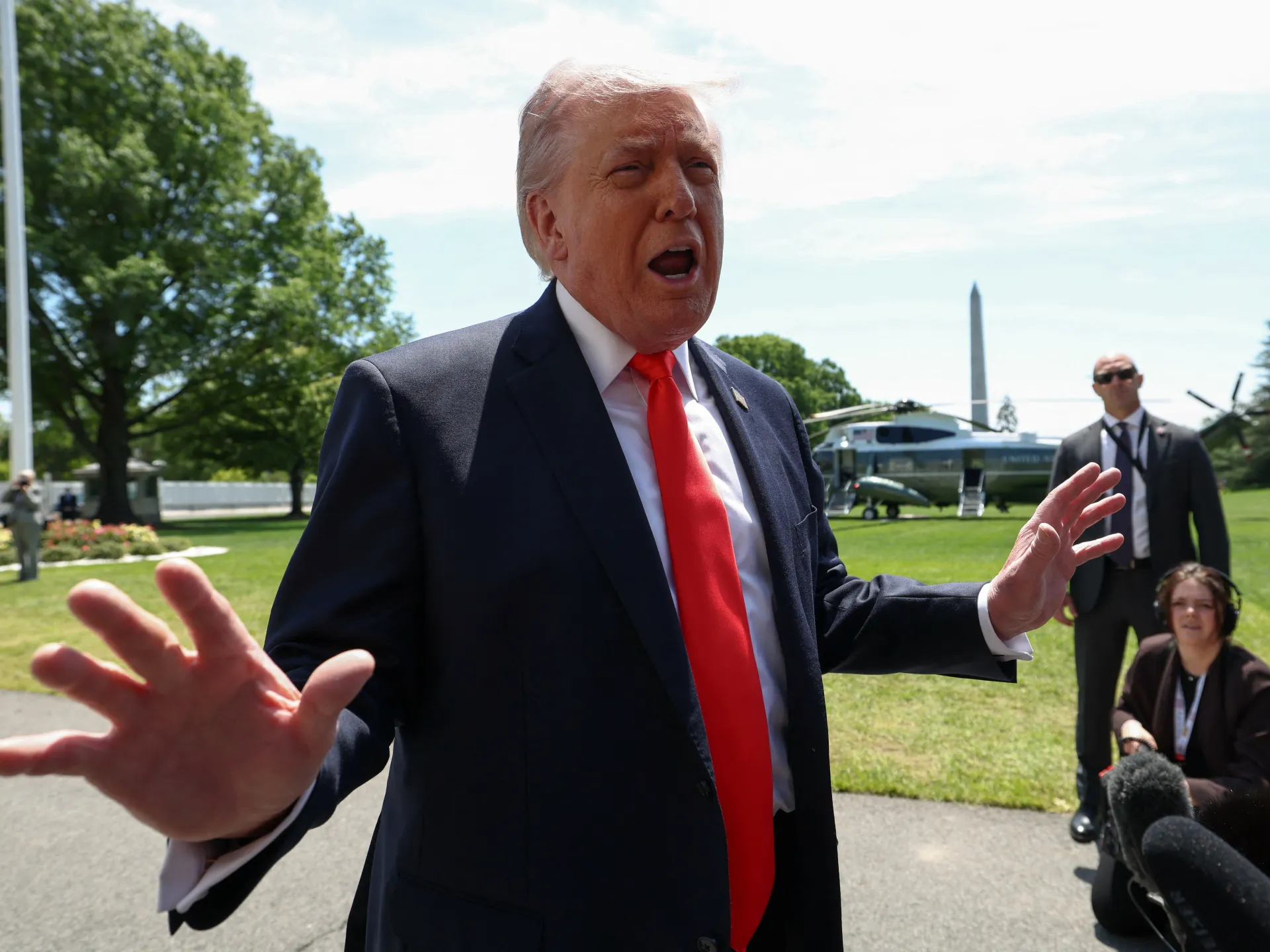
President Donald Trump has publicly condemned the conduct of the US Navy, describing its enforcement of a blockade on Iranian ports and the Strait of Hormuz as acting "like pirates." Speaking at a rally in Florida, the President characterised recent operations where US forces seized a ship, its cargo, and oil as a "very profitable business." This rhetoric follows the imposition of the naval blockade on 13 April, which occurred shortly after a ceasefire came into effect on 8 April amidst ongoing negotiations mediated by Pakistan.
The strategic importance of the Strait of Hormuz remains central to the administration's justification for the operation, with the waterway serving as a conduit for approximately 20 per cent of global oil and gas. While the White House maintains that the blockade is a necessary measure, the President's admission that US forces are operating like pirates has drawn sharp criticism from Tehran. Iran's Ministry of Foreign Affairs has demanded accountability from the Trump administration regarding the conflict, with spokesman Esmaeil Baghaei labelling the US-Israel war on Iran an unprovoked act of aggression.
Diplomatic tensions remain high as Iran assesses the likelihood of renewed hostilities. Reporting from Tehran indicates that the Iranian military headquarters believes a resumption of the war is probable, citing a lack of US commitment to any agreement. Baghaei stated that while Iran has shown flexibility during negotiations in Islamabad and throughout the ceasefire period, it has not observed the same approach from the United States, noting that American aggression has increased as Iranian demands have been eased.
The legal implications of the blockade are becoming increasingly urgent as the administration approaches a critical statutory deadline. Legal experts warn that the 1973 War Powers Resolution requires the President to secure Congressional authorisation for military action within 60 days. With the conflict beginning in February 2026 and the deadline set for 1 May, the current operation risks expiring without formal legislative approval, potentially forcing the administration to seek retroactive permission or face significant legal challenges.
Former US Ambassador Douglas Silliman has suggested the administration is attempting to redefine the timeline of the war to avoid seeking Congressional permission, a move some legal experts argue is unconstitutional. Silliman noted that the President appears to believe he can exercise authority independently, viewing the requirement to consult Congress as an unconstitutional constraint on the role of commander-in-chief. This interpretation stands in contrast to the prevailing view among members of Congress, including Republicans, that the statutory requirement must be met.
As the May 1 deadline approaches, the White House faces mounting pressure to regularise the legal status of the blockade. Trump has stated he is not satisfied with Iran's latest peace proposal and warned that negotiations could fail, at which point he would "blast them away." Meanwhile, the US public is being urged by Iranian officials to challenge the government for waging what they describe as an illegal war, highlighting the deepening divergence between Washington's strategic objectives and the diplomatic reality on the ground.