When an EV battery may need replacing
Battery capacity typically declines gradually, while sudden range loss, charging limits and high-voltage warnings warrant a professional health check.
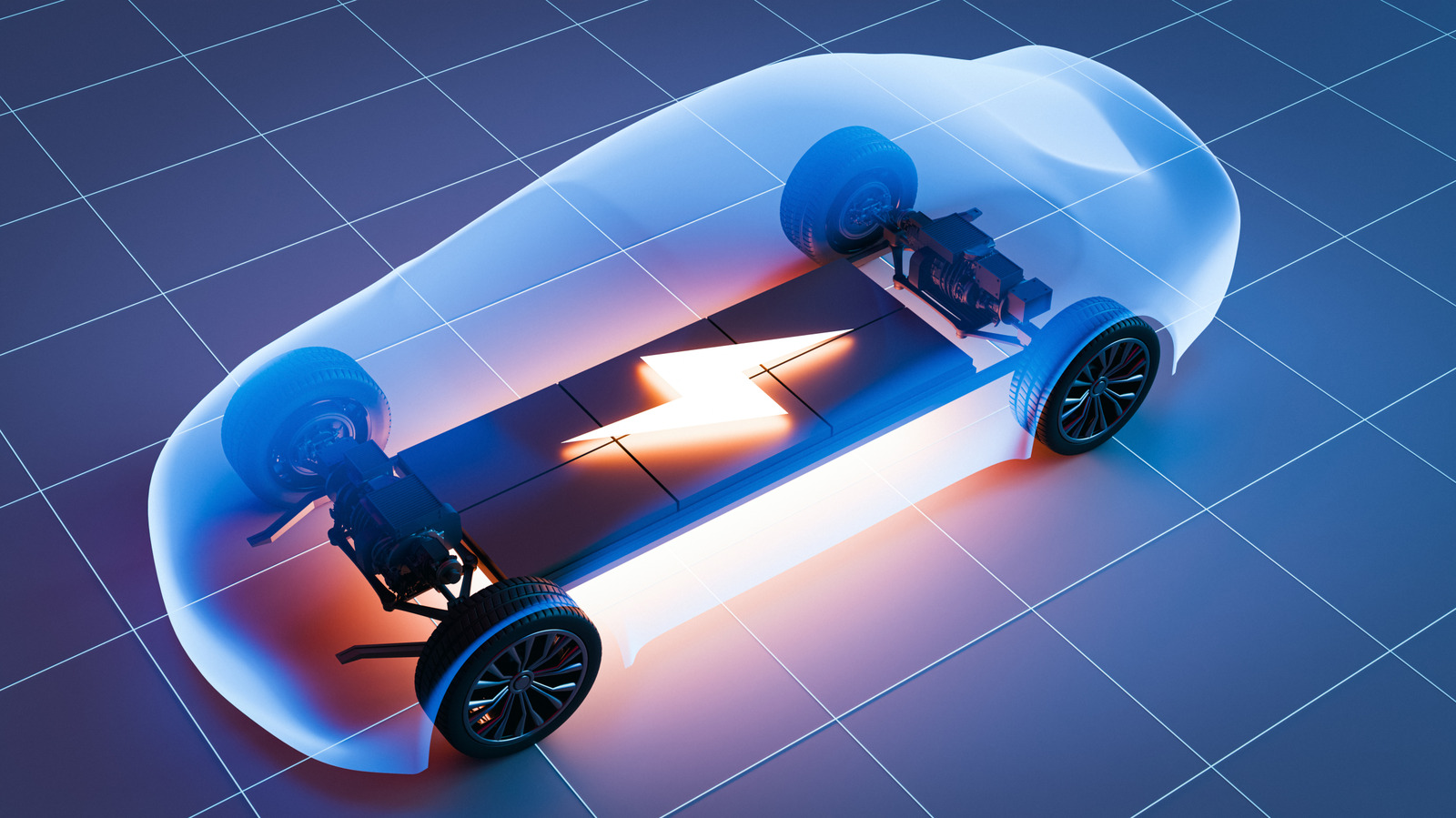
Electric vehicle batteries do not have a universal age or mileage at which replacement becomes necessary. They generally lose energy-storage capacity gradually, reducing driving range without necessarily indicating a failed battery pack, according to guidance reported by Engadget.
A US Department of Energy analysis of about 15,000 plug-in vehicles found that 1.5 per cent had batteries replaced because of failure, excluding recalls. Replacement rates were below 1 per cent for every model year from 2016 to 2023.
The Department of Energy estimates EV batteries may last 12 to 15 years in moderate climates and eight to 12 years in extreme climates. Geotab’s 2026 analysis of more than 22,700 EVs across 21 models found average degradation of 2.3 per cent annually, although results vary with battery chemistry, temperature, charging habits and vehicle use.
Dashboard range is not a direct measure of battery health. Weather, cabin heating and cooling, speed, acceleration, hills and vehicle load can all affect how far a car travels on a charge. A persistent decline under comparable driving and weather conditions is more significant, as are sudden unexplained range changes, new charging limits, reduced performance or battery and high-voltage warnings.
Charging slowdown alone does not establish battery failure because temperature, state of charge, charger power and the vehicle’s charging curve also affect speed. An EV-qualified service centre can check diagnostic codes and battery data to distinguish ordinary degradation from a repairable fault or a problem requiring full-pack replacement. Recurrent’s survey puts commonly reported replacement costs at about US$5,000 to US$16,000, though individual bills vary. High-voltage batteries require trained technicians and are not a DIY repair.