WFP to renew Palantir contract despite internal audit warnings
A leaked 2025 internal audit flagged privacy concerns and inadequate risk management, yet the World Food Programme proceeds with the deal, drawing criticism from staff and rights groups over data sovereignty and ethical obligations.
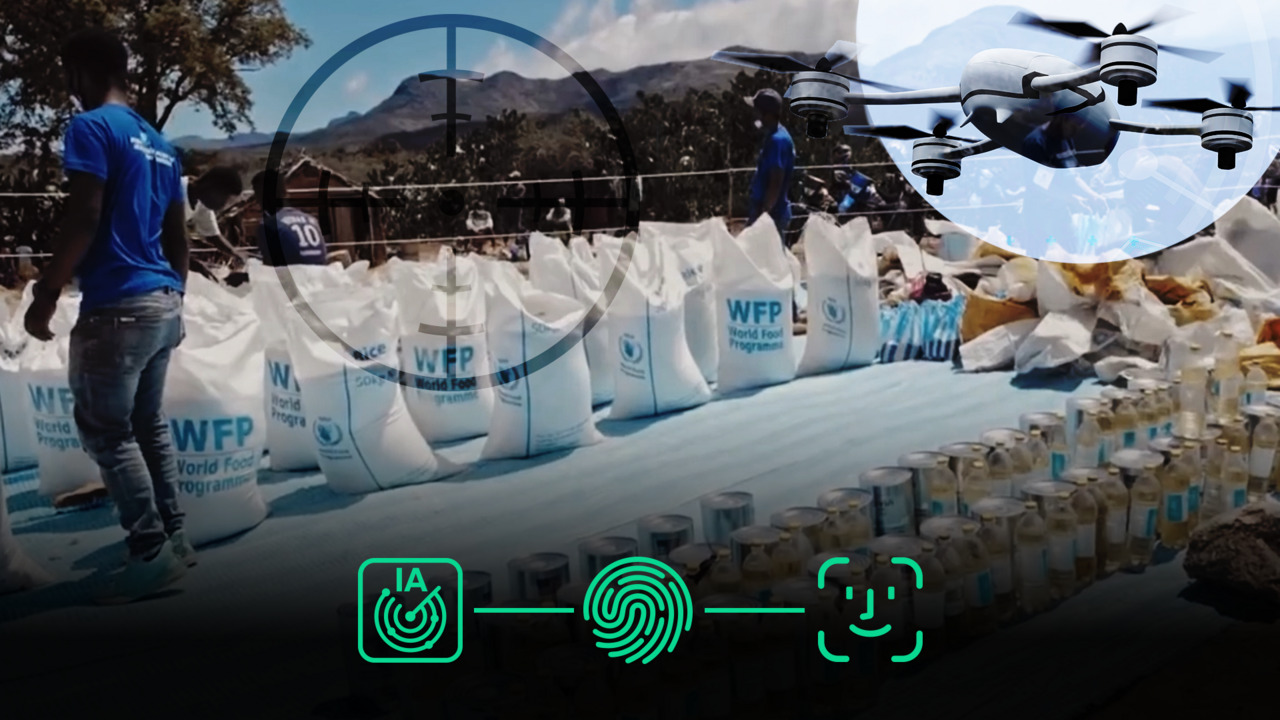
The United Nations World Food Programme (WFP) is finalising a five-year renewal of its contract with US data software firm Palantir, a decision that proceeds despite a leaked internal audit highlighting significant privacy concerns and inadequate risk management. The agreement, set to be signed in August 2026, maintains the general scope and terms of the original 2019 arrangement, according to WFP sources and officials speaking to FRANCE 24 and PassBlue.
The renewal comes in the wake of a 2025 audit by the WFP’s Office of the Inspector General, which classified the partnership’s data privacy issues as a “high priority” risk. The leaked document warns that the collaboration contravenes UN principles and poses reputational dangers, noting that key concerns raised by stakeholders have not been adequately addressed since the partnership’s inception. Critics argue the deal compromises the security of beneficiary data, particularly given Palantir’s deep ties to US military and intelligence operations.
WFP officials have justified the extension by citing the practical realities of “vendor lock-in” and the prohibitive costs associated with developing an alternative system. A WFP spokesperson stated that the agency undertakes extensive due diligence to ensure services adhere to strict data governance standards. However, internal assessments suggest that building a comparable system in-house would cost an estimated $20 million, a figure that officials argue makes the current arrangement a necessary, if imperfect, operational choice.
The controversy is compounded by Palantir’s business model and its involvement in surveillance and military applications. The software firm, which developed the Digital Operations and Transformation System (DOTS) for the WFP, has faced global scrutiny for its work with US authorities on immigration enforcement and lethal operations. A report by the “Tech for Bad” initiative described the partnership as a “grave abdication of ethical responsibility,” warning that embedding such technology within a humanitarian supply chain could compromise the agency’s neutrality.
Internal resistance to the deal has been significant, with UN staff expressing fears that beneficiary data could be used to train Palantir’s algorithms or sold to other clients. A letter signed by staff members handed to acting WFP director Carl Skau highlighted concerns that the relationship may contradict core human rights due diligence obligations. Despite these misgivings and a recent cyberattack that exposed sensitive data, the WFP maintains that its systems are segregated and that the partnership remains essential for managing one of the world’s largest humanitarian supply chains.