West Ham face financial reckoning and structural overhaul after Premier League relegation
Owner David Sullivan’s history of immediate promotion contrasts with new ownership dynamics and significant financial losses as West Ham United exit the top flight.
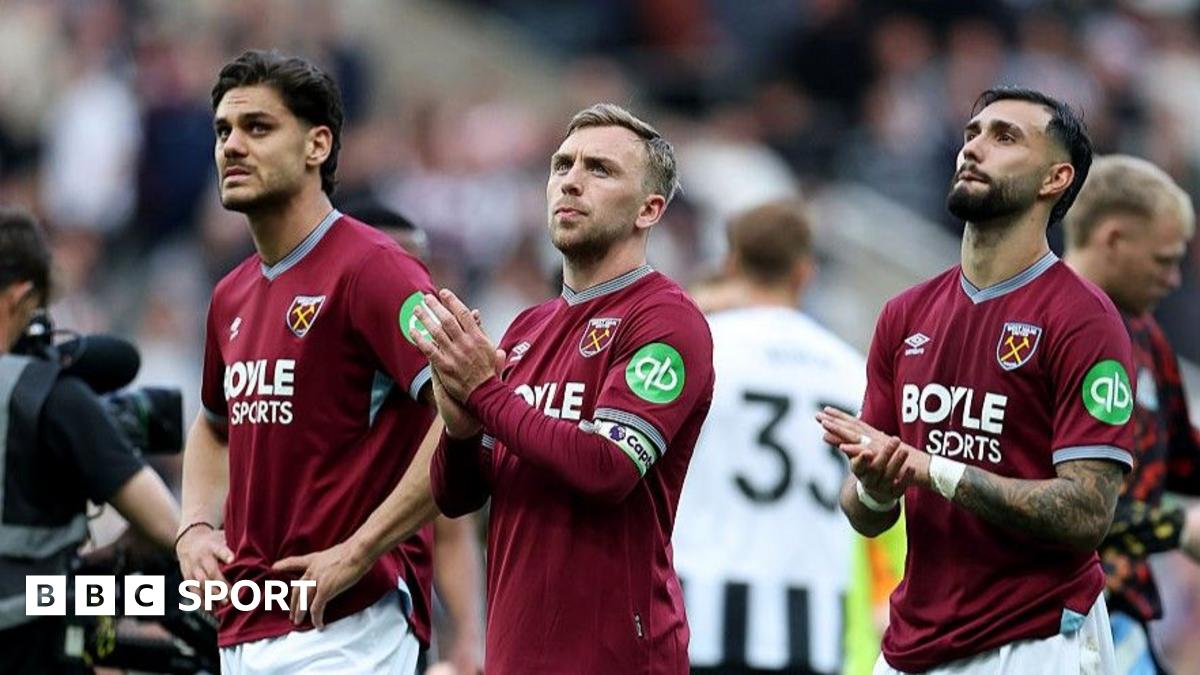
West Ham United’s 14-year tenure in the Premier League has concluded following a defeat to Leeds United, triggering a period of significant institutional and financial restructuring. The club’s exit from the top flight has drawn sharp criticism from supporters, with frustrations directed at chairman David Sullivan, who is now tasked with navigating a complex transition to the Championship.
The ownership landscape of the club has undergone substantial changes since the club’s last period of instability. Sullivan no longer operates with his long-time partner David Gold, who died in January 2023. His daughter Vanessa now holds a 25.1% stake, while US businessman Tripp Smith owns 8%. Royal Mail owner Daniel Kretinsky is currently in the process of acquiring shares to match Sullivan’s 38.8% holding. Additionally, vice-chair Karren Brady departed in April, with Karim Virani assuming the role of chief executive.
Financial projections for the coming season are severe, with sources indicating that revenue is expected to fall by between 50% and 60%. In the most recent accounts to 31 May 2025, the club recorded a loss of £104m, having previously reported revenue of £227.6m. While London Mayor Sadiq Khan estimates the club will save £2.5m in arena fees due to the reduction in capacity usage for Championship matches, this saving is described as negligible against the backdrop of anticipated further losses.
Despite the financial headwinds, the English Football League’s introduction of Squad Cost Rules for the 2026-27 season offers a structural buffer. These rules permit clubs to spend 85% of their income on squad costs. West Ham’s remaining income base is projected to significantly exceed that of its Championship rivals, potentially allowing the club to maintain a wage bill that far outstrips competitors, provided it can manage its existing liabilities.
The club’s sporting direction remains uncertain, particularly regarding manager Nuno Espirito Santo, who signed a three-year contract in September. While the board desires stability and prefers Nuno to remain, it is unclear if he is willing to manage in the second tier. Captain Jarrod Bowen has publicly committed to the club’s return to the Premier League, dismissing transfer speculation, but several key players face potential departures. Axel Diasi, Adama Traore, and Callum Wilson are out of contract, while others may accept wage cuts of up to 50% under contractual clauses triggered by relegation.
Sullivan’s history suggests a strategy of immediate promotion, having secured back-to-back promotions with Birmingham City and a play-off victory with West Ham in 2012. However, the current squad requires significant reshaping. The club must navigate the exits of high-profile assets such as Mateus Fernandes, who is linked with moves to Paris Saint-Germain and Manchester United, while dealing with the underutilisation of high-value signings like Max Kilman and Niclas Fullkrug.