Washington talks advance as Lebanon-Israel ceasefire nears expiry
Lebanese officials express cautious optimism as direct talks commence in the US, though significant political and humanitarian hurdles remain before a new agreement can be secured.
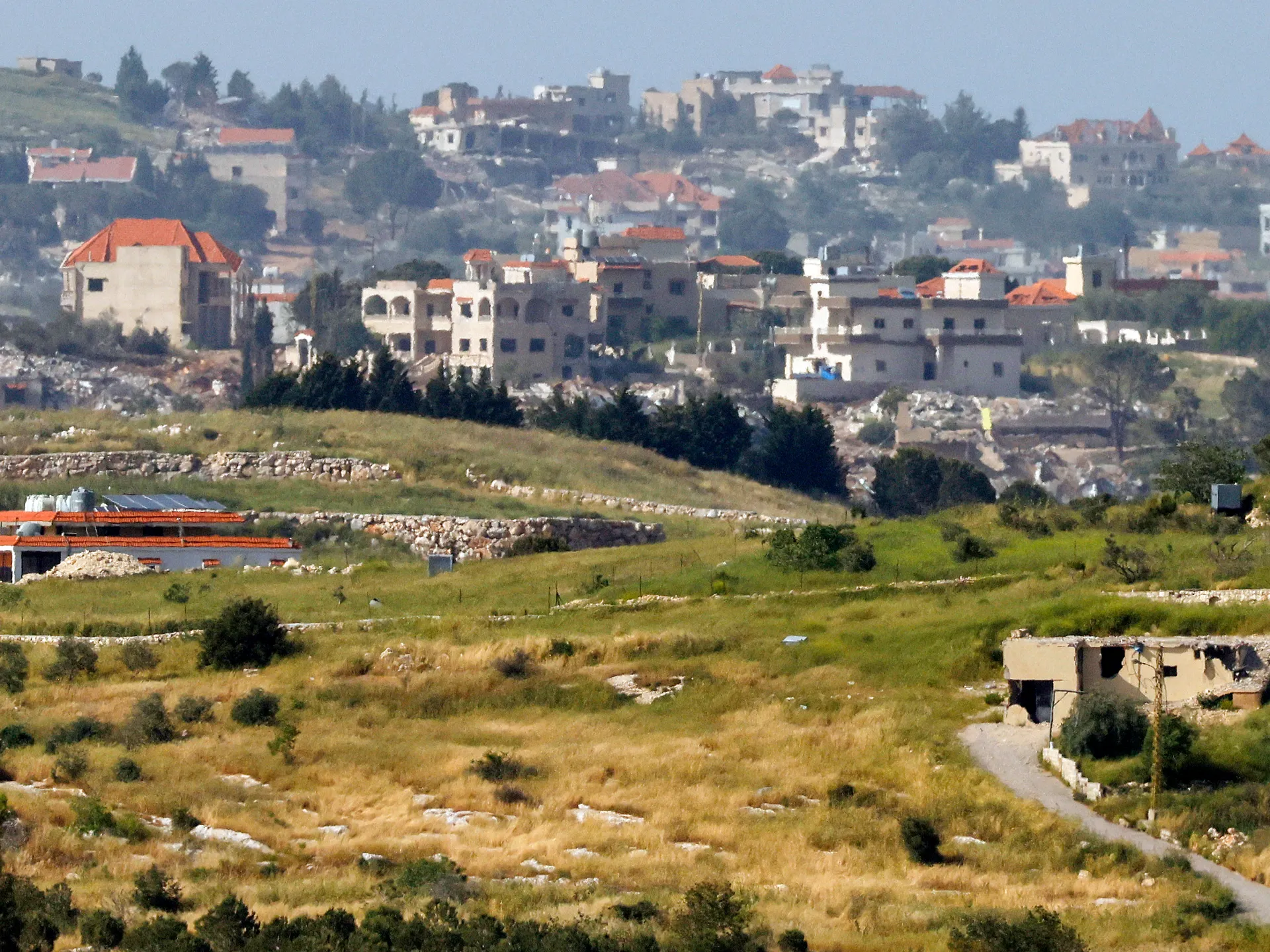
A third round of direct, ambassador-level negotiations between Lebanon and Israel has commenced in Washington, DC, with Lebanese officials expressing cautious optimism that the two-day talks will produce a new ceasefire deal. The discussions aim to address critical issues including the withdrawal of Israeli forces from southern Lebanon and the disarmament of Hezbollah, as the previous ceasefire agreement expires on Sunday. While US Secretary of State Marco Rubio was absent due to a visit to China, the UN has urged maximum restraint and protection of civilians, noting ongoing Israeli military activity. Lebanese President Joseph Aoun has declined to meet directly with Israeli Prime Minister Benjamin Netanyahu, and Hezbollah remains opposed to the direct negotiations.
The talks, which began on Thursday, represent a step towards more serious negotiations, with higher-level envoys from Lebanon and Israel taking part after the initial preparatory sessions were headed by the ambassadors of the two countries to Washington. Lebanese envoy Simon Karam is leading the Lebanese delegation; Israeli Deputy National Security Adviser Yossi Draznin is attending on the Israeli side. US Secretary of State Marco Rubio did not attend due to a visit to China with President Donald Trump.
Lebanese President Joseph Aoun has declined to meet directly with Israeli Prime Minister Benjamin Netanyahu, citing potential domestic blowback. Hezbollah, not part of the talks, remains vocally opposed, with lawmaker Ali Ammar describing the negotiations as "free concessions" to Israel. UN Deputy Spokesman Farhan Haq reported significant ongoing aerial and military activity, including multiple Israeli air strikes on Wednesday.
Lebanese media reported three deaths in Israeli strikes in southern Lebanon on Thursday. UNICEF stated that at least 200 children have been killed in Lebanon since the escalation began on March 2. Lebanese officials report that since March 2, Israeli attacks have killed at least 2,896 people, injured over 8,824, and displaced more than 1.6 million people.
There is no diplomatic relationship between Lebanon and Israel. The Lebanese constitution contains provisions that prevent legal normalisation with Israel, which locals recognise as a significant obstacle to peace. A ceasefire was announced on April 17 and later extended until May 17, but hostilities have continued. The conflict has involved ongoing Israeli strikes, artillery fire, drone attacks, and systematic demolitions of towns and villages in southern Lebanon. Previous indirect talks were held over the implementation of the ceasefire that preceded the latest outbreak of war.
King Charles’ state visit to the US is proceeding despite a recent security incident at a White House dinner, though this is unrelated to the Lebanon-Israel talks.
The immediate objective is to prevent the situation along the border from escalating into a broader regional conflict. The cessation of hostilities agreement is due to expire on Sunday, so there is an expectation that this will be front and centre in discussions. People in southern Lebanon are cautiously optimistic about the possible results from these meetings, understanding that Lebanon is not ready for normalisation legally speaking.