Kulak’s shift to 24/7 solar power signals a decentralised energy model for rural Iraq
In the Kurdistan region, a five-village initiative pairs solar infrastructure with local training and agricultural development, offering a durable alternative to top-down grid expansion in a climate-vulnerable country.
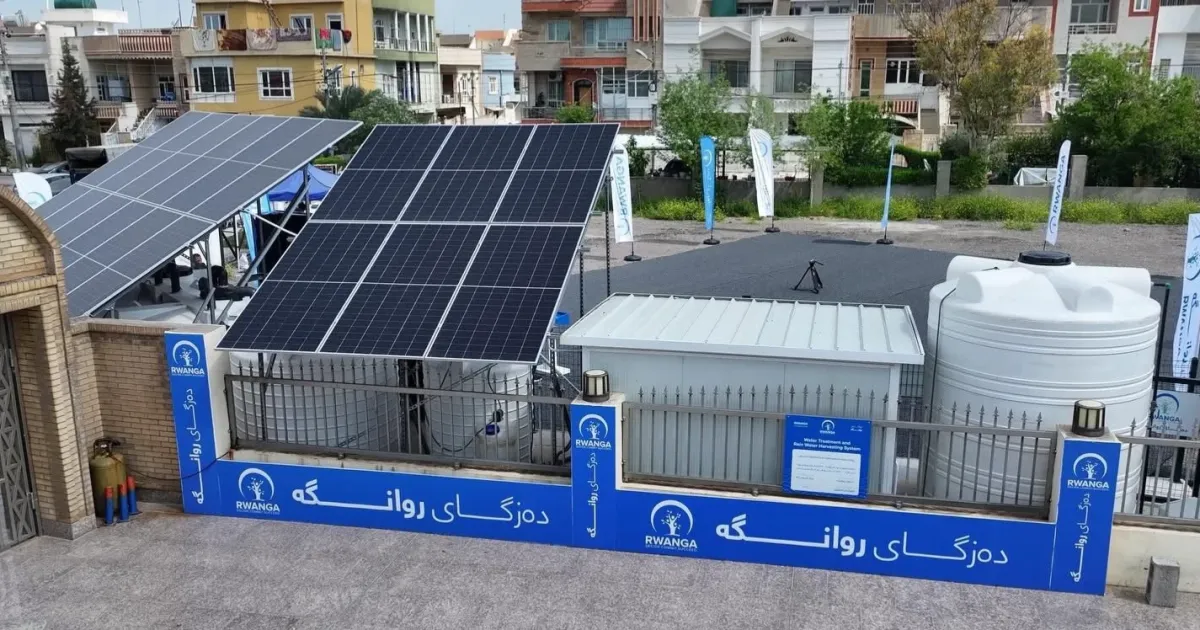
In the Kurdistan region of Iraq, the village of Kulak has moved beyond reliance on erratic generator power to a system providing 24/7 electricity. The shift is supported by solar panels and battery storage, allowing water pumps to run continuously and enabling cold storage for agricultural produce. This transition marks a departure from the daily power cuts that have long defined life in rural communities across the country.
The initiative is part of a broader project covering five villages in the region, designed to integrate infrastructure with local capacity building. Residents are trained to operate and maintain their own systems, a structural choice intended to prevent the common failure mode where infrastructure is abandoned once external support withdraws. By treating energy as a managed asset rather than a delivered service, the project aims to ensure long-term operational viability.
Agricultural development is central to the policy framework. Reliable power supports irrigation that no longer depends on diesel and provides cold storage, allowing farmers to hold harvests for better market prices. Research is currently under way into how this reliable power can further support local production, although the agricultural component is described as promising but still in its early stages.
The model offers a counterpoint to the prevailing narrative of the global energy transition, which is often dominated by large-scale projects and international financing pledges. For remote communities in Iraq, decentralised power presents a viable long-term solution rather than a temporary stopgap while waiting for grid expansion. This approach allows local institutions to move at a pace that multilateral programmes often cannot match.
Iraq faces significant climate vulnerability, with the United Nations ranking the nation among those most at risk. Summers regularly exceed 50 degrees Celsius, and drought has reduced the viability of farmland, prompting rural families to consider migration to overcrowded cities. The decentralised model addresses these pressures by keeping farms economically viable and reducing the need for diesel-dependent infrastructure.
While the agricultural research remains young, the immediate impact in Kulak is evident in the continuity of power and the operational status of local facilities. The project suggests that durability in the energy transition depends on investing in local maintenance capabilities and integrating power systems with broader livelihood strategies, rather than relying solely on centralised generation.