Visa barriers and geopolitical conflict sideline World Cup attendance
High application fees, steep rejection rates, and the ongoing US military conflict with Iran are reshaping the landscape of fan participation for the FIFA World Cup.
The 2026 FIFA World Cup, hosted across the United States, Canada, and Mexico, is facing significant attendance challenges driven by geopolitical tensions and structural barriers. The ongoing US military conflict with Iran has resulted in visa bans for Iranian nationals and the displacement of the Iranian national team to Mexico. Concurrently, high visa fees and steep rejection rates are deterring fans from the Global South, including Ghana and South Africa, who face complex travel routes and limited direct transport options. While the US introduced the FIFA Priority Appointment Scheduling System (PASS) to expedite interviews, it does not guarantee approval, and structural inequities raise concerns about the tournament's inclusivity.
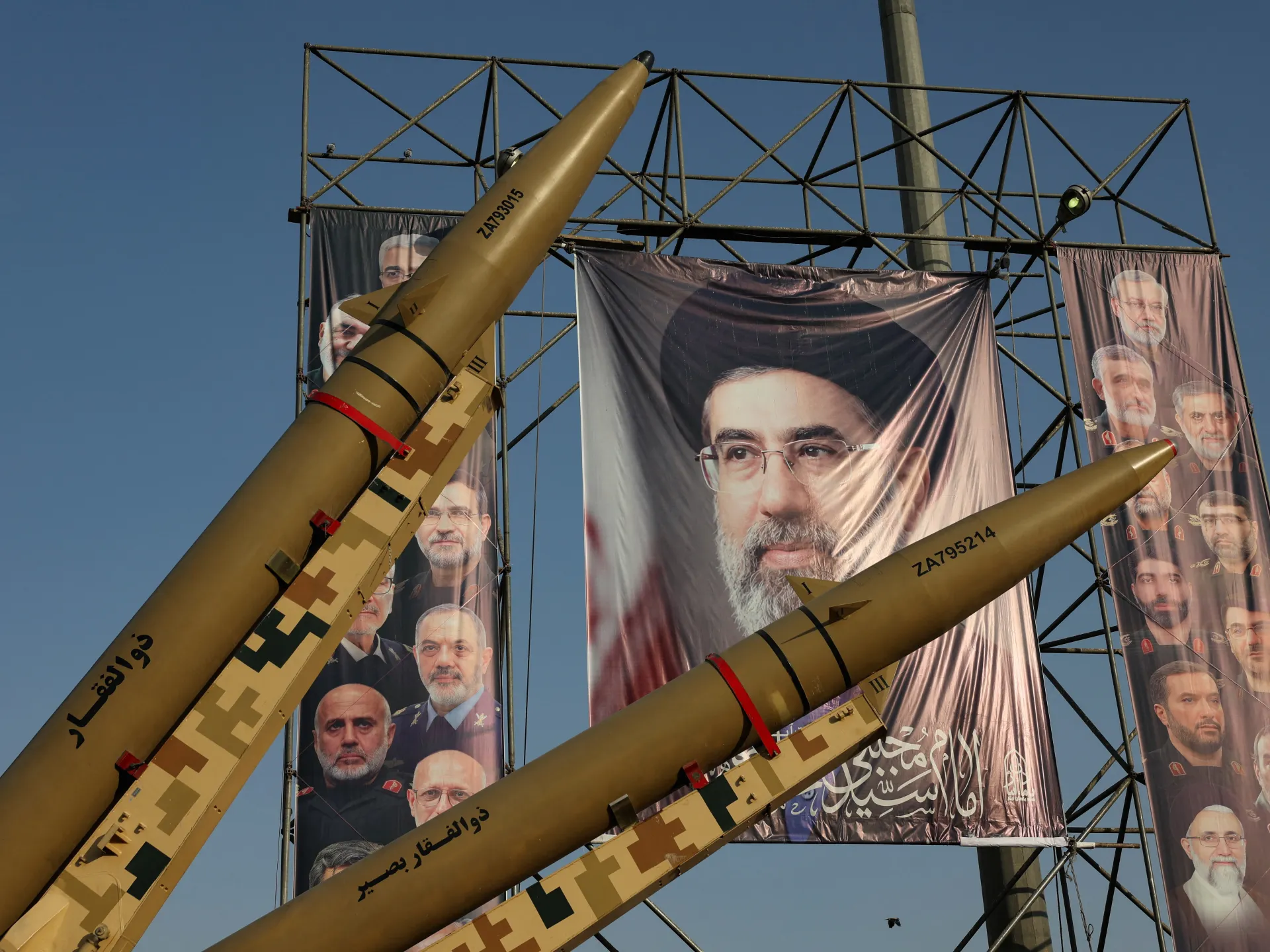
President Donald Trump signed an executive order last June halting visa issuance to countries including Iran, which the US designated a "state sponsor of terrorism". The joint US-Israel war on Iran, now nearing its 100th day, has involved missile attacks on Iranian cities and the bombing of Azadi Stadium, where the national team trained. Consequently, the Iranian men’s football team switched their basecamp to Mexico after months of political friction. For Iranian fans, travel to the US is described as "almost impossible" due to the lack of direct transport and the risk of arrest upon return to Iran.
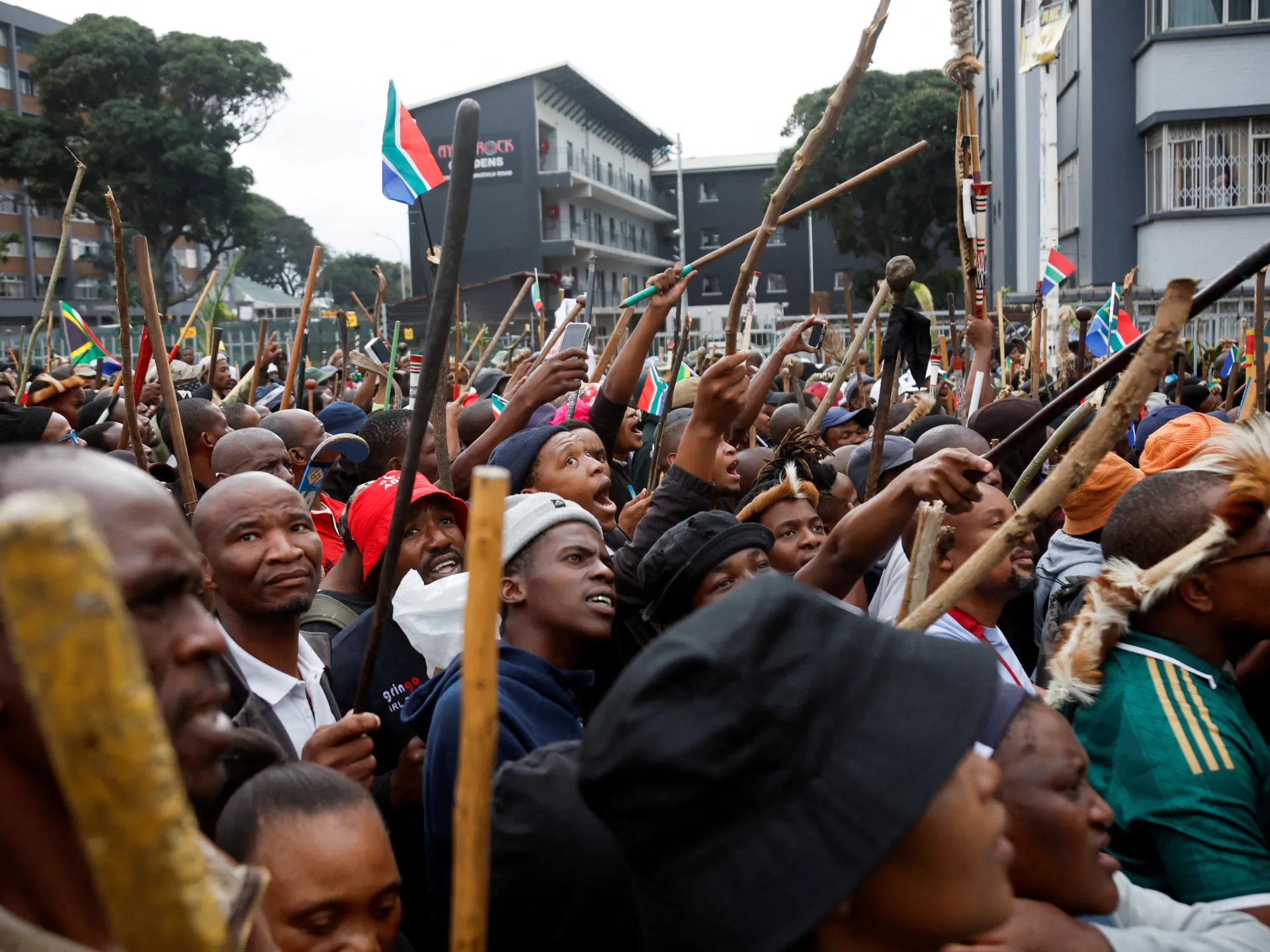
Visa rejections have also impacted other nations. Last month, nearly 150 Ghanaian football fans had their US visa applications rejected. Ghana nationals must pay a $185 fee for a US visa and 100 Canadian dollars for a Canadian visa, an amount comparable to the monthly per capita income in Ghana. Godwin Nii Armah, a Ghanaian fan, scrapped his travel plans, citing the high costs and logistical difficulties of travelling to multiple host cities.
South African fans have faced similar hurdles, with the national team experiencing a 24-hour departure delay due to a visa bungle by the federation. However, a small group of supporters, including Sahil Ebrahim, attended matches in Mexico where South Africa has set up its basecamp. Ebrahim, who attended the 2022 World Cup in Qatar, noted that while the Mexican visa process was efficient, it lacked the centralised alignment of visa, ticket, and transport details provided by the Hayya card system in Qatar.
Human Rights Watch reported that an asylum seeker was arrested and deported after attending the Club World Cup final in New Jersey, stoking fears among international fans. Khayran Noor, an international sports lawyer, questioned whether future FIFA host agreements should include obligations relating to accessibility and mobility. She argued that if teams and fans face structural barriers, the broader spirit of inclusion that these tournaments seek to embody risks being undermined.