Viral footage of great white shark in Mediterranean raises questions amid unverified claims
A video purporting to show a great white shark in the Mediterranean Sea has gained significant online traction, though specific details regarding location, timing, and species verification remain absent from official reports.
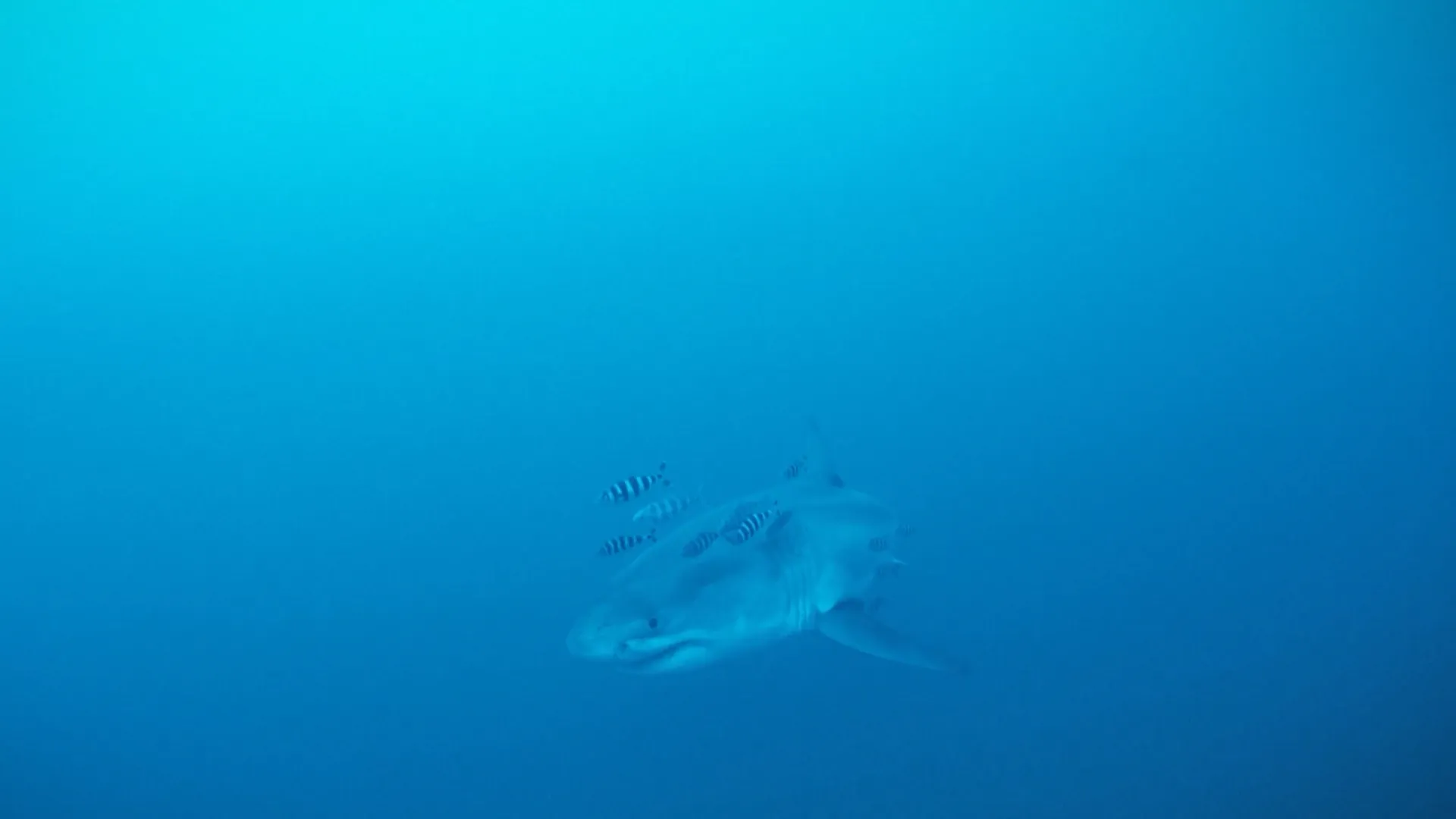
A video capturing what is described as a great white shark within the Mediterranean Sea has circulated online, drawing widespread public attention. The footage, which has been reported by Al Jazeera Global News, highlights the ongoing intersection of digital media virality and marine biology, even as critical contextual details remain undisclosed.
The specific geographic coordinates within the Mediterranean where the shark was filmed have not been detailed in available reports. Furthermore, the date of the recording and the identity of the individual who captured the footage are unknown. This lack of precise data limits the ability of authorities to assess any immediate implications for local coastal communities or swimmers.
Great white sharks are not native to the Mediterranean Sea and are considered rare visitors to the region. Historical sightings typically occur in the western Mediterranean, particularly near the Strait of Gibraltar or along the coastlines of Spain, France, and Italy. The presence of these apex predators in these waters is generally attributed to broader environmental shifts, including climate change and evolving prey patterns that may be expanding their traditional range.
Despite the viral nature of the current video, the authenticity of the footage has not been independently verified by marine biologists or relevant authorities. There is also no confirmation that the animal depicted is definitively a great white shark (*Carcharodon carcharias*). Experts caution that similar species, such as mako sharks, can be mistaken for great whites in low-quality or brief video clips, necessitating rigorous scientific validation before definitive identification.
The extent of the video’s viral spread, including specific view counts or geographic distribution of shares, has not been quantified in the source material. While such incidents often spark public interest and concern regarding marine safety and conservation, the absence of verified location data and official safety advisories means there is no indication of an immediate threat to coastal populations.