Vienna Eurovision 2026 overshadowed by historic boycott and political fractures
Israel's participation triggers unprecedented walkouts from Ireland, the Netherlands, Slovenia, Iceland and Spain, while police anticipate significant disruption on the final day
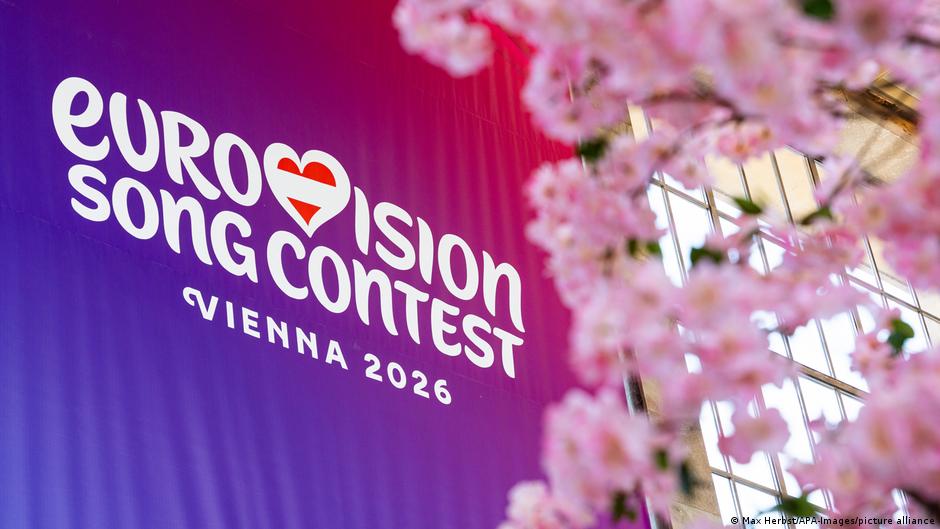
The 2026 Eurovision Song Contest in Vienna has not yet commenced, yet it is already the subject of severe political scrutiny that challenges the competition's long-standing claim of neutrality. While the event aims to project a message of openness under the motto "United By Music", the presence of Israel amidst the ongoing conflict in Gaza has precipitated a crisis of unprecedented scale for the broadcaster.
This year marks a significant shift in the contest's financial and political landscape, as Spain joins Ireland, the Netherlands, Slovenia, and Iceland in boycotting the event. This development is notable because Spain constitutes one of the "Big Five" nations, serving as a major financial backer of the European Broadcasting Union. Such a coordinated withdrawal by a core member state has never occurred previously, potentially reducing the global viewership of the world's largest music event.
The controversy has polarised the creative community into two distinct camps, each mobilising approximately 1,100 signatories. One open letter, aligned with the "No Music for Genocide" initiative and supported by figures such as Peter Gabriel and Roger Waters, explicitly calls for Israel's exclusion. Conversely, a counter-letter from the "Creative Community for Peace", featuring names like Helen Mirren and Gene Simmons, defends Israel's right to participate, citing the state's response to the largest massacre of Jews since the Holocaust.
Despite these internal divisions and the threat of disruption, the European Broadcasting Union has confirmed that Israel will not be barred from the contest. The organisation maintains that Eurovision is an association of broadcasters rather than governments, a stance that has left the host city of Vienna and the participating nations to manage the fallout. Consequently, police in Vienna have registered a demonstration for the final day on 16 May, anticipating around 3,000 participants from pro-Palestinian groups alongside potential international demonstrators.
Beyond the geopolitical tensions, the selection of entries has also drawn sharp criticism regarding lyrical interpretation. Romania's submission, "Choke Me" by Alexandra Capitanescu, faced accusations of glorifying violence against women following a legal professor's comment in The Guardian. The singer subsequently clarified on Reddit that the lyrics were metaphorical, representing internal pressure and fear rather than literal violence, though the debate highlights the increased scrutiny on artistic expression during the contest.
Ukraine's entry, "Ridnym" by Viktoria Leleka, similarly faces heightened attention given the ongoing Russian aggression against the country. The song, which focuses on inner transformation and finding hope amidst fear, was written in Berlin and performed by a singer who has expressed strong affection for Germany while seeking to give a voice to her homeland. Meanwhile, the launch of the Eurovision Song Contest Asia in Bangkok on 14 November proceeds, featuring ten countries including the Philippines, South Korea, and Vietnam, marking a separate expansion of the franchise.