Verstappen warns of F1 exit if engine regulation reforms stall
Max Verstappen has issued a stark ultimatum to Formula 1 governance, threatening retirement at the end of the 2026 season if planned adjustments to engine regulations are not approved.
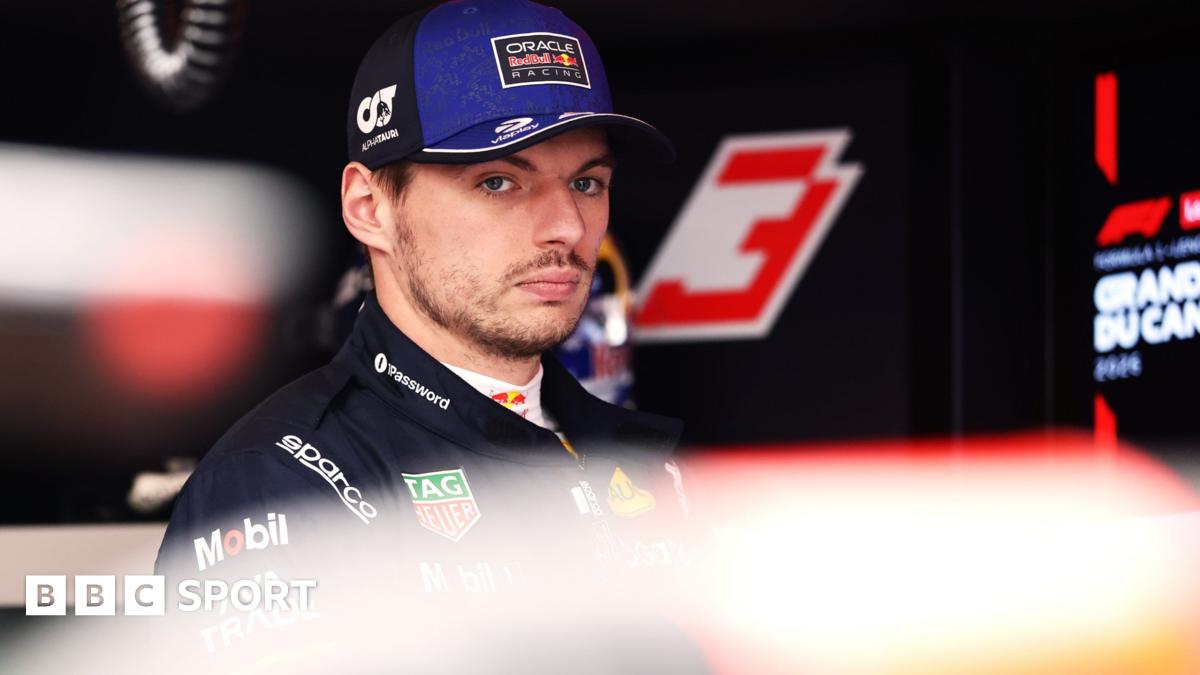
Max Verstappen has declared that the current state of Formula 1 engine technology is "mentally not doable," renewing his threat to retire from the sport at the end of the 2026 season if regulatory reforms are blocked. The Red Bull driver issued the warning during the Canadian Grand Prix weekend, following a sixth-place qualifying result ahead of teammate Isack Hadjar.
Verstappen confirmed that should he decide to leave the grid, he would not return to the sport, noting there are "a lot of other fun things out there." However, he also indicated that the implementation of proposed changes would likely secure his future, stating that the reforms would return racing "almost back to normal" and improve the overall product.
The dispute centres on the power distribution of the new engines introduced this year. While the nominal split between internal combustion engine (ICE) and electrical energy is 50-50, the actual dynamic operates at approximately 54-46 in favour of the ICE. The FIA, supported by Mercedes and Red Bull, has proposed shifting this balance to 60-40 to reduce the heavy reliance on energy management.
Drivers have reported that the current energy-starved configuration forces them to adopt unconventional driving techniques, such as delaying throttle application out of corners to harvest electrical energy for deployment on straights. McLaren team principal Andrea Stella described this as a fundamental hardware limitation that the proposed package aims to "cure" in 2027, arguing that the general interest of the sport must prevail over particular manufacturer interests.
Despite optimism that sufficient support can be secured, the vote has been stalled by opposition from other manufacturers. Audi has raised concerns regarding costs, while Ferrari is reportedly worried about losing development opportunities permitted under current rules after the Canadian race. F1 governance protocols require broad support for such regulatory changes, and talks remain ongoing to persuade opposing teams to align with the FIA’s plan.