Verstappen commits to Red Bull until 2030 amid regulatory transition
The four-time world champion extends his tenure with Red Bull Racing, signalling institutional stability as the team navigates a new regulatory era and leadership change.
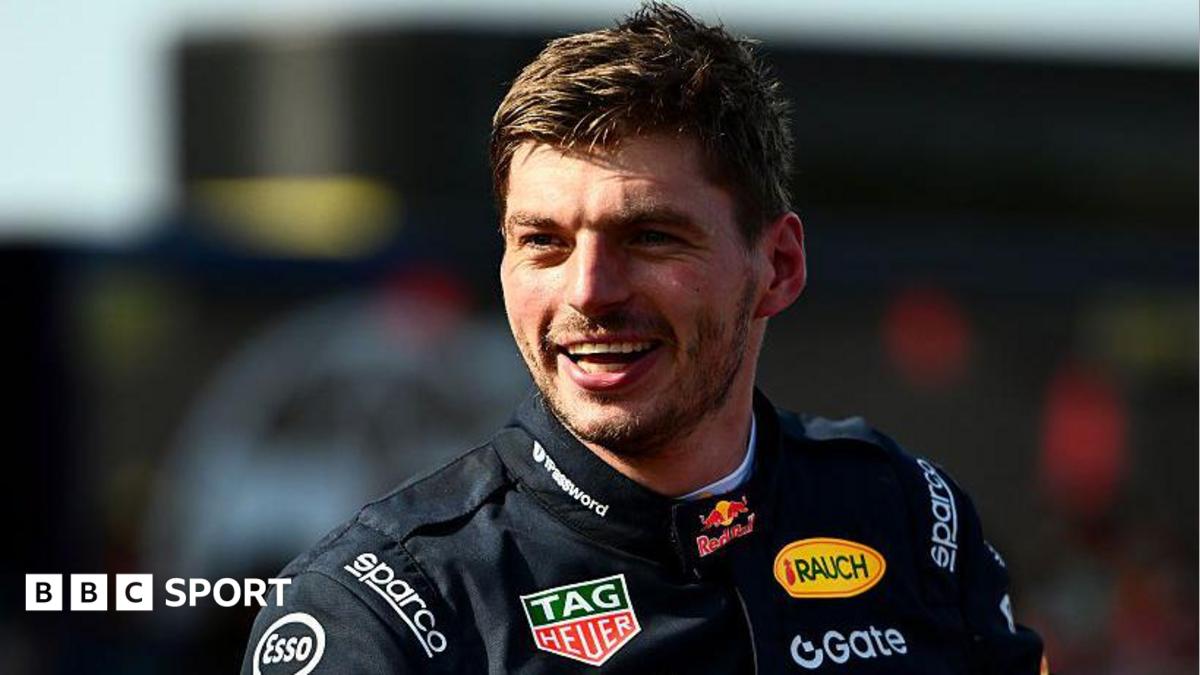
Max Verstappen has secured his position at Red Bull Racing until the end of 2030, a decision that provides strategic continuity for the team as it adapts to new car and engine regulations. The extension supersedes a previous agreement that ran to 2028, which included clauses allowing the driver to depart at the end of the current season. By locking in the four-time world champion, Red Bull aims to stabilise its competitive trajectory during a period of significant technical and organisational change.
The announcement effectively curtails speculation regarding potential transfers to rival constructors such as Mercedes or McLaren. While Verstappen’s recent performance has been constrained by the team’s adaptation to the new rules, with his best results this season being two second places in Austria and Hungary, his long-term commitment remains. This decision stands in contrast to the departure of his trusted race engineer, Gianpiero Lambiase, who has signed to join McLaren by 2028.
The move underscores the driver’s alignment with the team’s new leadership structure. Verstappen praised team principal Laurent Mekies, who assumed the role in July of last year following the departure of Christian Horner. The driver cited a "clear vision" from Mekies and expressed confidence in the team’s culture and personnel at its Milton Keynes base. This institutional endorsement suggests a focus on rebuilding competitiveness rather than reacting to short-term results.
The timing of the announcement coincides with the final Dutch Grand Prix at Zandvoort before the event leaves the Formula One calendar. This alignment highlights the symbolic nature of the extension for the Dutch driver, who began his career with Red Bull’s junior team, Toro Rosso, in 2015. His tenure with the organisation has resulted in 71 Grand Prix victories and four world titles, placing him third in all-time race victories behind Lewis Hamilton and Michael Schumacher.
Despite the long-term commitment, standard contractual mechanisms remain in place that could allow Verstappen to leave if performance expectations are not met. Specific details of these clauses have not been disclosed, as is common practice in Formula One driver contracts. The extension therefore represents a balance between long-term strategic planning and the inherent performance-based risks of the sport.
Red Bull Racing has acknowledged the significance of retaining what it describes as the best driver on the grid. Team principal Laurent Mekies stated that the partnership is rooted in trust and shared success, emphasising that the relationship has been forged through both championship victories and challenging periods. The extension aims to provide a stable foundation for the team to recover its competitive edge under the current regulatory framework.