Venezuela volunteers mark disaster relief milestone with cake for 3,000 displaced children
The gesture comes amid a state of emergency declared by Acting President Delcy Rodriguez, with international aid pledged by the US, China, and Spain.
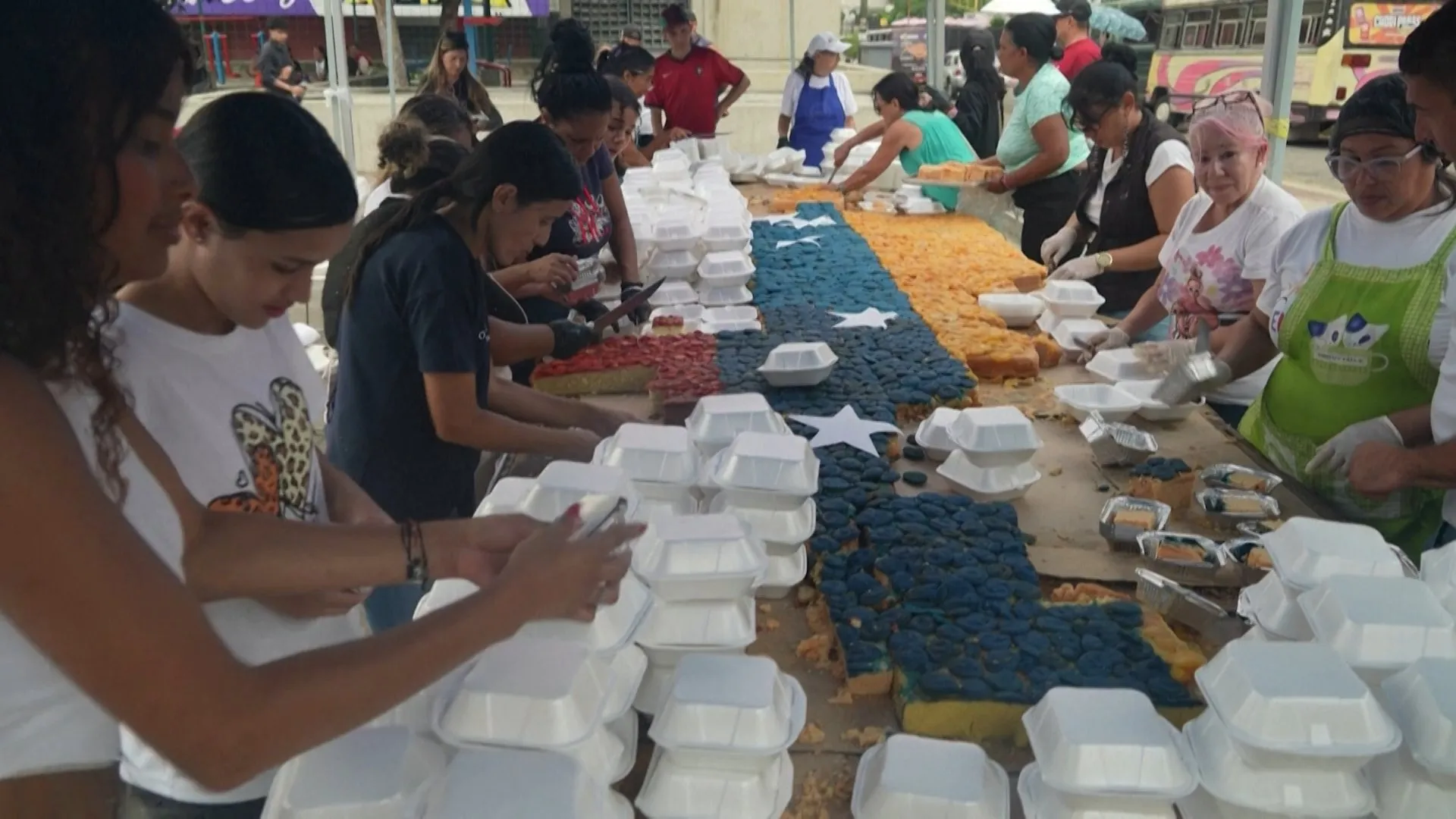
Volunteers in Venezuela have prepared a large-scale confectionery initiative to support approximately 3,000 children displaced by the twin earthquakes that struck the country last month. The effort, reported on 19 July 2026, serves as a community-led response to the humanitarian crisis following the disaster that has claimed more than 5,000 lives.
The relief activity occurs against the backdrop of a significantly escalating casualty count. Initial reports following the seismic events indicated at least 32 deaths and 700 injuries, but the official toll has since risen to exceed 5,000. The figure reflects the ongoing assessment of damage in the aftermath of the quakes, which caused widespread building collapses in and around the capital, Caracas.
The disaster originated on 24 June 2026, when two powerful earthquakes measuring magnitudes 7.2 and 7.5 struck within a minute of each other. The intensity of the tremors prompted Acting President Delcy Rodriguez to declare a state of emergency immediately, mobilising domestic resources to address the widespread destruction and displacement.
International attention has followed the domestic emergency, with foreign governments pledging assistance. The United States, under Secretary of State Marco Rubio, announced the immediate deployment of aid, while China and Spain have also committed support to the relief efforts. The giant cake initiative by local volunteers highlights the intersection of grassroots community support and the broader international response to the crisis.
The specific number of children supported by the cake project is estimated at around 3,000. This figure underscores the scale of displacement affecting younger demographics in the affected regions. As the death toll continues to be verified and updated, the focus remains on stabilising conditions for those displaced by the structural failures and seismic activity.
The event marks a point of community cohesion during a period of significant institutional response. While the government manages the state of emergency and international bodies coordinate aid, local volunteers continue to address immediate social needs for survivors, including the psychological and nutritional support of displaced children.