Used GameCube buyers urged to verify region and model number before purchase
With the console now a quarter-century old, Engadget advises consumers to check for region locks and the presence of the Digital AV Out port to ensure compatibility with modern televisions.
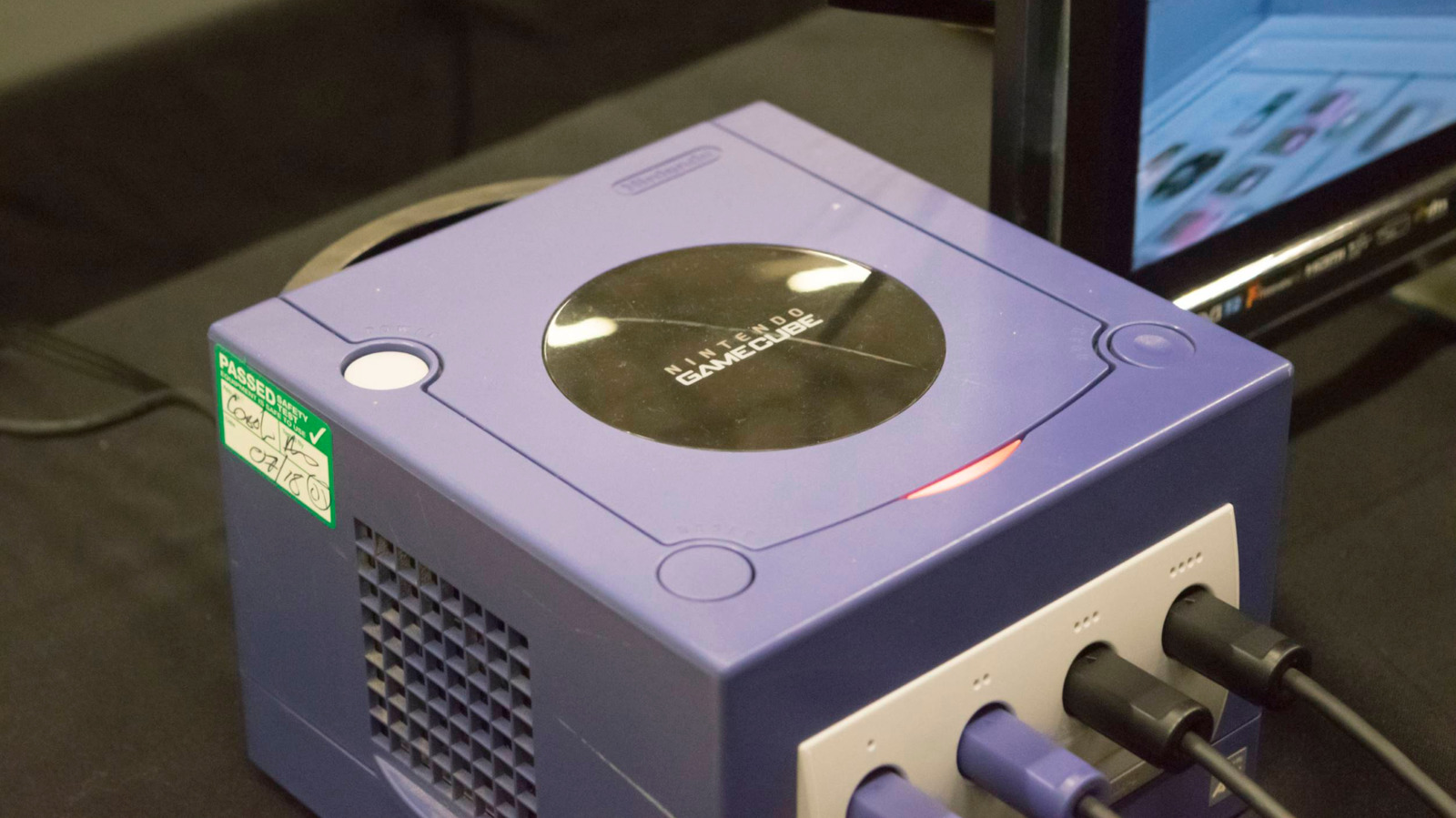
As the Nintendo GameCube approaches its 25th anniversary, buyers of the discontinued console are being advised to scrutinise specific hardware details before completing a purchase. According to Engadget, the system remains region-locked, meaning a console will only play games released for its specific market. The console supports three primary regions: North America (NTSC-U), Japan (NTSC-J), and Europe/Oceania (PAL).
This limitation, common to 1990s and 2000s hardware such as the NES, SNES, PlayStation, and Dreamcast, means that an American console cannot play Japanese titles, and vice versa. While modern systems like the Nintendo Switch 2, PS5, and Xbox Series are largely region-free for physical media, the GameCube retains these restrictions. Consequently, consumers must ensure their game collection matches the console’s regional designation to avoid costly incompatibilities.
Beyond region locking, buyers are encouraged to check the model number for the presence of the Digital AV Out port. Nintendo removed this feature in a 2004 hardware revision to reduce production costs, as it was rarely used at the time. The port originally enabled 480p output via component cables, offering a sharper image than the standard 480i display.
Today, the port has regained relevance for retro enthusiasts. Third-party adapters utilise the Digital AV Out connection to enable HDMI output, significantly improving picture quality on modern televisions that often lack composite inputs. Engadget recommends seeking out DOL-001 systems that retain this port for the best visual experience.
Identifying the correct model is straightforward for informed buyers. Japanese consoles are marked with "(JPN)" next to the model number, American units with "(USA)", and European/Oceania models with "(EUR)". Game packaging also provides visual cues, such as the ESRB letter rating on American titles, "PAL" markings on European boxes, and distinct spine designs.
For those unable to find a compatible console, some GameCube titles, including Super Mario Sunshine, are available through the Nintendo Classics library on the Switch 2. However, for physical media collectors, verifying the model number and region remains essential to navigating the risks of using quarter-century-old hardware, which may also suffer from disc reading issues or internal battery failure.