Insight Partners keeps diversified strategy as AI capital crowds into OpenAI and Anthropic
Insight Partners co-leader Devin Parekh said the firm holds stakes in both frontier AI companies but remains wary of concentration risk and rising valuations.
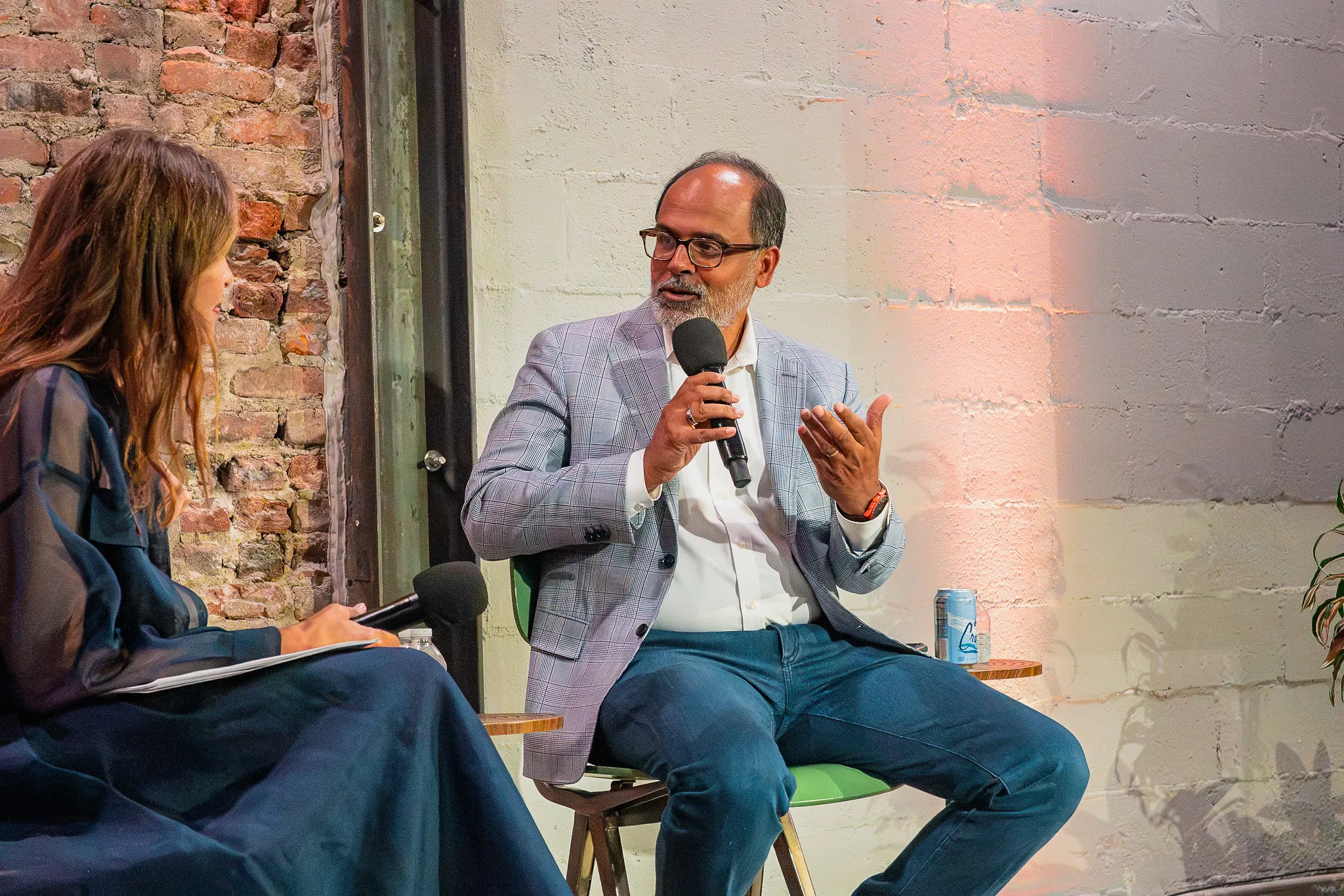
Insight Partners is maintaining a diversified investment strategy even as venture capital flows heavily into OpenAI and Anthropic, co-leader Devin Parekh said at TechCrunch’s StrictlyVC event in New York.
Parekh said Insight holds stakes in both companies, viewing OpenAI as the dominant consumer business and Anthropic as having a clear enterprise strategy. He said the investments were stage-dependent, with later-stage positions allowing the firm to invest in both, while earlier-stage investments in directly competing companies would generally be restricted.
The firm reportedly manages about US$90 billion across early-stage, growth, buyout and secondary strategies. Parekh said Insight’s returns have disproportionately come from making smaller initial investments and increasing exposure to winners, citing Wiz and Armis as examples. Insight recently reviewed 300 portfolio companies to identify businesses where it should invest more, buy secondary stakes or reduce exposure.
Parekh said long-term venture investing generally rewards diversification, although concentrated strategies have worked well for some firms. He also said valuations were rising at a pace reminiscent of 2021, with follow-on rounds sometimes moving too quickly to provide meaningful additional information.
Insight has not completed a major buyout since 2024, according to Parekh, who cited high interest rates, unreceptive debt markets and lower software exit multiples. The firm returned more than US$20 billion to limited partners over the past two years through strategic sales and initial public offerings, with further proceeds expected.
The firm is monitoring physical-AI companies, but Parekh said many remained largely science projects. He added that AI infrastructure talent was concentrated in San Francisco, while expertise in vertical applications could be distributed across other centres. Insight also lost legal-tech company Legora to General Catalyst, with Parekh saying the rival firm had presented its value proposition more effectively on that occasion.