Why IMAX 15/70 Cameras Are So Loud
Large-format film, powerful motors and a vacuum plate make traditional IMAX cameras difficult to use for dialogue-heavy scenes.
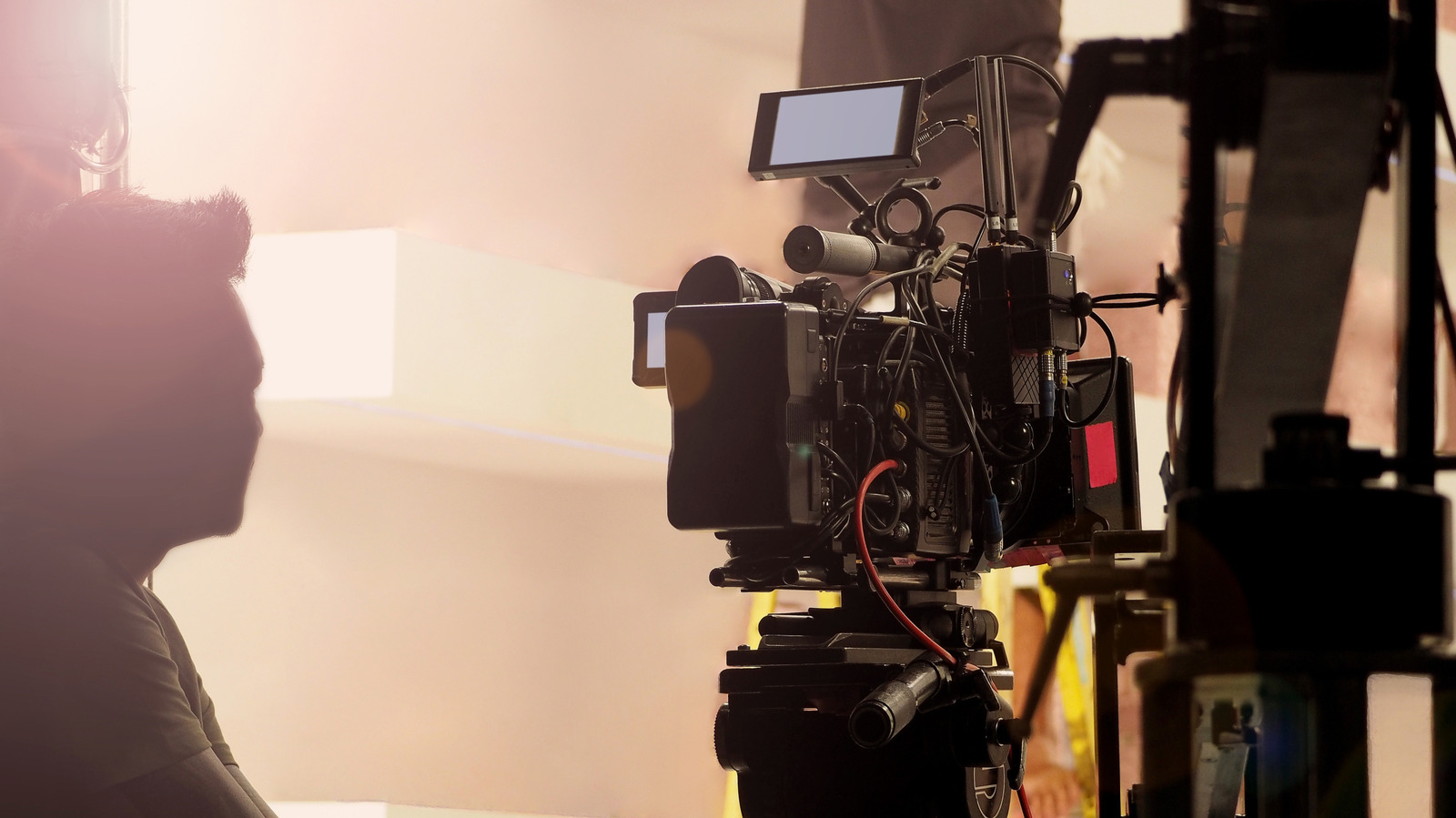
Traditional IMAX 15/70 film cameras are renowned for image quality but are also bulky, expensive and exceptionally loud, according to Engadget. Their mechanical noise can interfere with dialogue recording, adding to the practical challenges of shooting on the format.
The cameras move 65mm negative film horizontally at about 24 frames per second. Each frame uses 15 sprocket holes, compared with five on a conventional 65mm camera, meaning the system moves roughly 360 sprocket holes — or 5.6 feet of film — every second. A 1,000-foot magazine provides about three minutes of recording time.
A powerful motor drives the film, while the camera’s magazine, shutter and film movement add further mechanical noise. A vacuum plate behind the lens creates suction to hold each frame flat during exposure, preventing curls in the film from disrupting the plane of focus. The vacuum system helps position the film; it does not propel it through the camera.
Filmmakers can reduce the impact by using 15/70 cameras mainly for action and stunt sequences, where mechanical noise is less disruptive. Dialogue affected during filming can be rerecorded through automated dialogue replacement, while padded “barneys” and rigid soundproof “blimps” can reduce — but not eliminate — the sound.
Digital and IMAX-certified digital cameras avoid the mechanical noise associated with 15/70 film. Engadget reports that IMAX has also developed a smaller, quieter Keighley camera with a new blimp design intended to support synchronised dialogue recording. Traditional IMAX filmmaking remains constrained by more than noise, however, with cost, weight and operational demands also limiting its use.