US warns shipping firms of sanctions over Iran toll payments
Washington tightens enforcement on revenue-generating sectors while humanitarian aid costs to Sudan double due to rerouted logistics
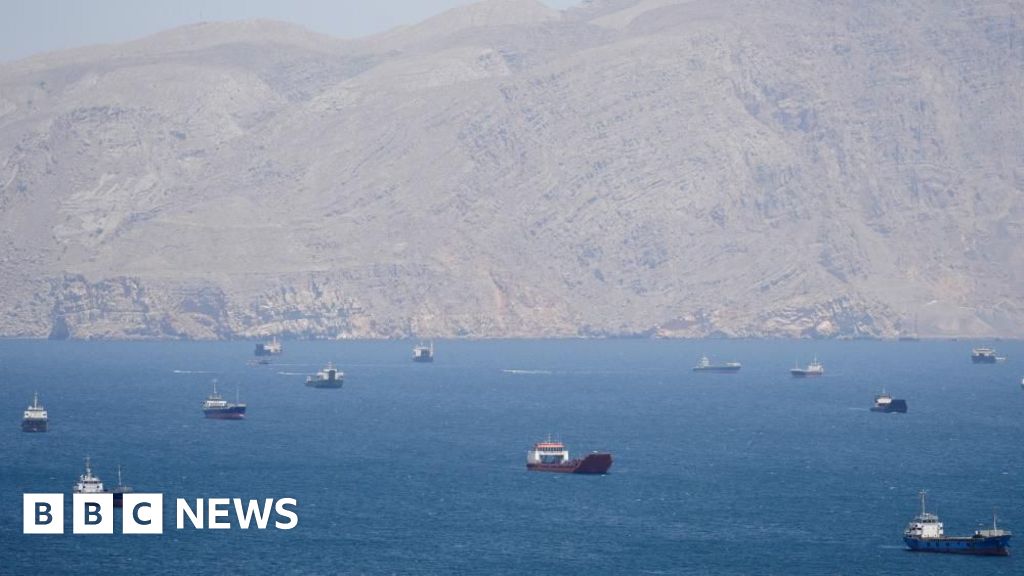
The US Office of Foreign Assets Control (OFAC) has issued a stern warning to shipping companies and non-US entities, stating that they face sanctions if they pay Iran tolls for safe passage through the Strait of Hormuz. This directive coincides with President Donald Trump's expressed dissatisfaction with Iran's latest peace proposal, as the administration seeks to pressure Tehran by targeting its revenue streams from oil sales and maritime tolls.
Since 13 April, the US has enforced a naval blockade on Iranian ports, causing a sharp decline in traffic through the strait from approximately 3,000 ships per month to just a handful daily. OFAC clarified that maritime industry participants involved with vessels calling at Iranian ports face significant sanctions risk under multiple authorities, noting that payments could involve cash, digital assets, offsets, informal swaps, or in-kind payments including charitable donations.
The agency warned that non-US persons who make these payments could face civil and criminal enforcement liability if their actions cause US persons, such as insurers or financial institutions, to violate sanctions. Concurrently, the US Treasury announced sanctions on three Iranian foreign currency exchange houses for converting oil revenue into usable currencies, with Treasury Secretary Scott Bessent stating his agency would relentlessly target the regime's ability to generate and move funds.
While Iran claims to have collected toll revenue to navigate freely through the strait, Deputy Speaker Hamidreza Haji Bababei stated the first toll revenue was deposited with the Central Bank, though no details on the amount or method were provided. The BBC could not independently verify this claim, and the US and Israel attacked Iran on 28 February, following which Iran targeted ships in the strait, including seizing two vessels.
The closure of key maritime routes has forced the rerouting of aid to Sudan around the Cape of Good Hope, doubling delivery costs and adding up to 25 days to transit times. UNHCR reported that higher transport and fuel costs disproportionately affect people in emergencies, including refugees and displaced people, as the agency adapts by relying more on land corridors amidst the region's fourth year of war.
President Trump expressed he is not excited by Iran's latest peace proposal, citing a disjointed leadership and stating he cannot agree to the terms requested. Following the death of Supreme Leader Ali Khamenei in the initial strikes, his son Mojtaba Khamenei succeeded him, leading to concerns about less centralised decision-making as the two countries hold talks without reaching a long-term deal.