US Treasury buybacks cool bond selloff, raising Fed independence questions
Treasury Secretary Scott Bessent’s intervention to purchase long-term debt has stabilised yields, but economists warn the move complicates the Federal Reserve’s mandate under Kevin Warsh.
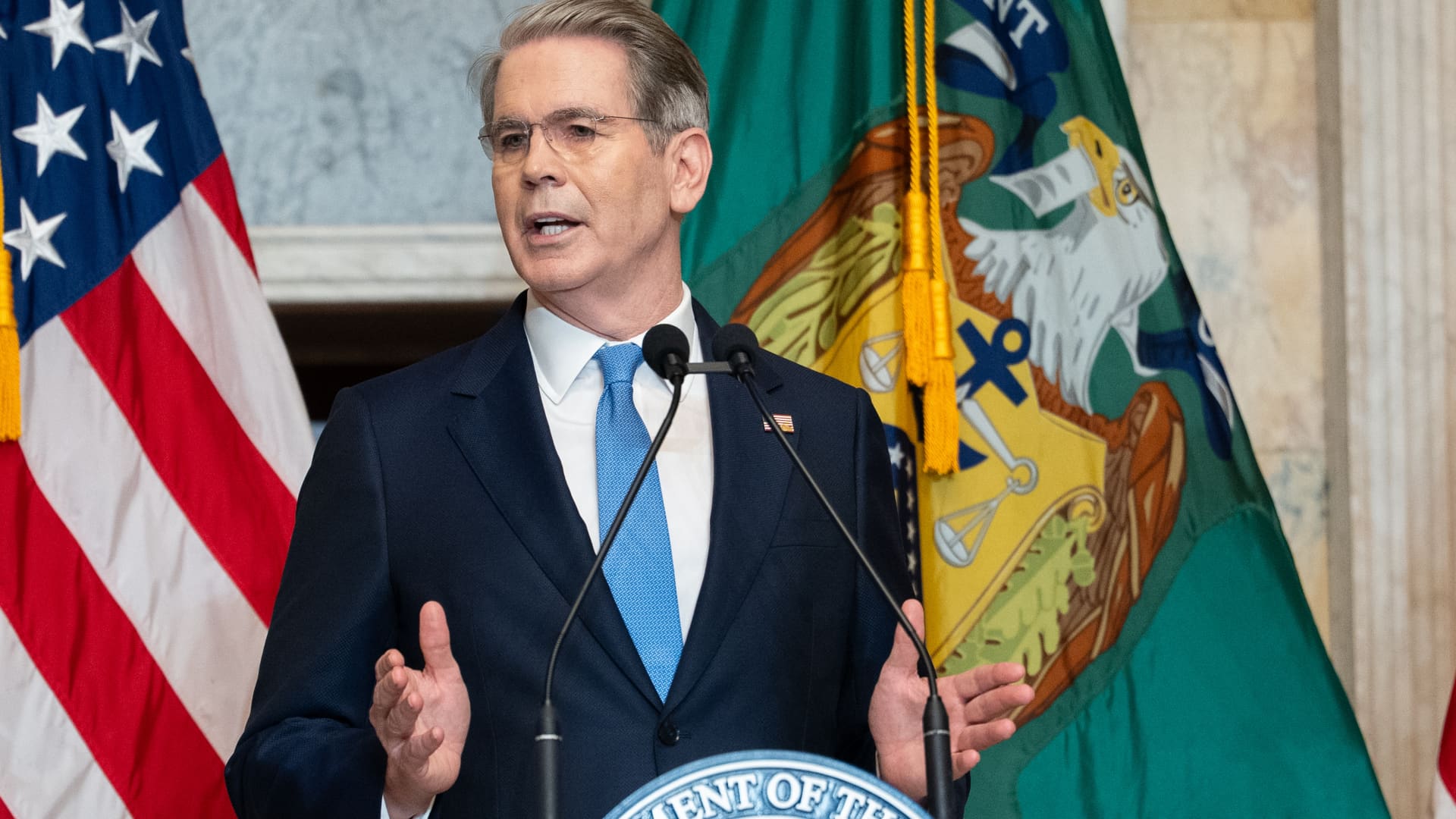
The US Treasury has initiated a programme to buy back long-term government debt, a direct intervention designed to curb rising Treasury yields. The move has successfully cooled a recent bond selloff, providing immediate relief to fixed-income markets that had been under pressure.
Treasury Secretary Scott Bessent announced the strategy as a measure to manage the cost of borrowing for the federal government. By purchasing existing long-term debt, the Treasury aims to reduce the supply of these instruments in the market, thereby exerting downward pressure on yields.
While the immediate market reaction has been stabilising, the intervention has drawn scrutiny from economic analysts. Economists warn that such actions could raise new questions regarding the trajectory of inflation. The concern is that aggressive debt management by the Treasury may be perceived as an attempt to influence monetary policy outcomes, a domain traditionally reserved for the central bank.
This development places new pressure on the Federal Reserve, currently led by Kevin Warsh. The independence of the Fed is a cornerstone of US monetary policy, and any perception of coordination or conflict between the Treasury and the central bank could undermine market confidence. The Treasury’s actions are now being viewed through the lens of potential encroachment on the Fed’s autonomy.
The timing of the buybacks, coinciding with a period of elevated yields, suggests a strategic effort to lower the government’s interest expenses. However, the long-term implications for inflation expectations remain a subject of debate among economists.
For investors, the situation introduces a new layer of complexity. The interplay between fiscal policy and monetary policy is becoming more pronounced, with the Treasury taking a more active role in shaping the bond market. This shift may require a reassessment of how market participants interpret future signals from both institutions.
The episode highlights the delicate balance between managing government debt and maintaining the credibility of the central bank. As the Treasury continues its buyback programme, the Federal Reserve under Warsh will face increased scrutiny regarding its ability to maintain its independent stance on inflation and interest rates.