US threatens to raise tariffs on EU cars and trucks from 15% to 25%
The European Commission rejects the US claim of breach, while Brussels activates safeguards to suspend the agreement if further levies are imposed
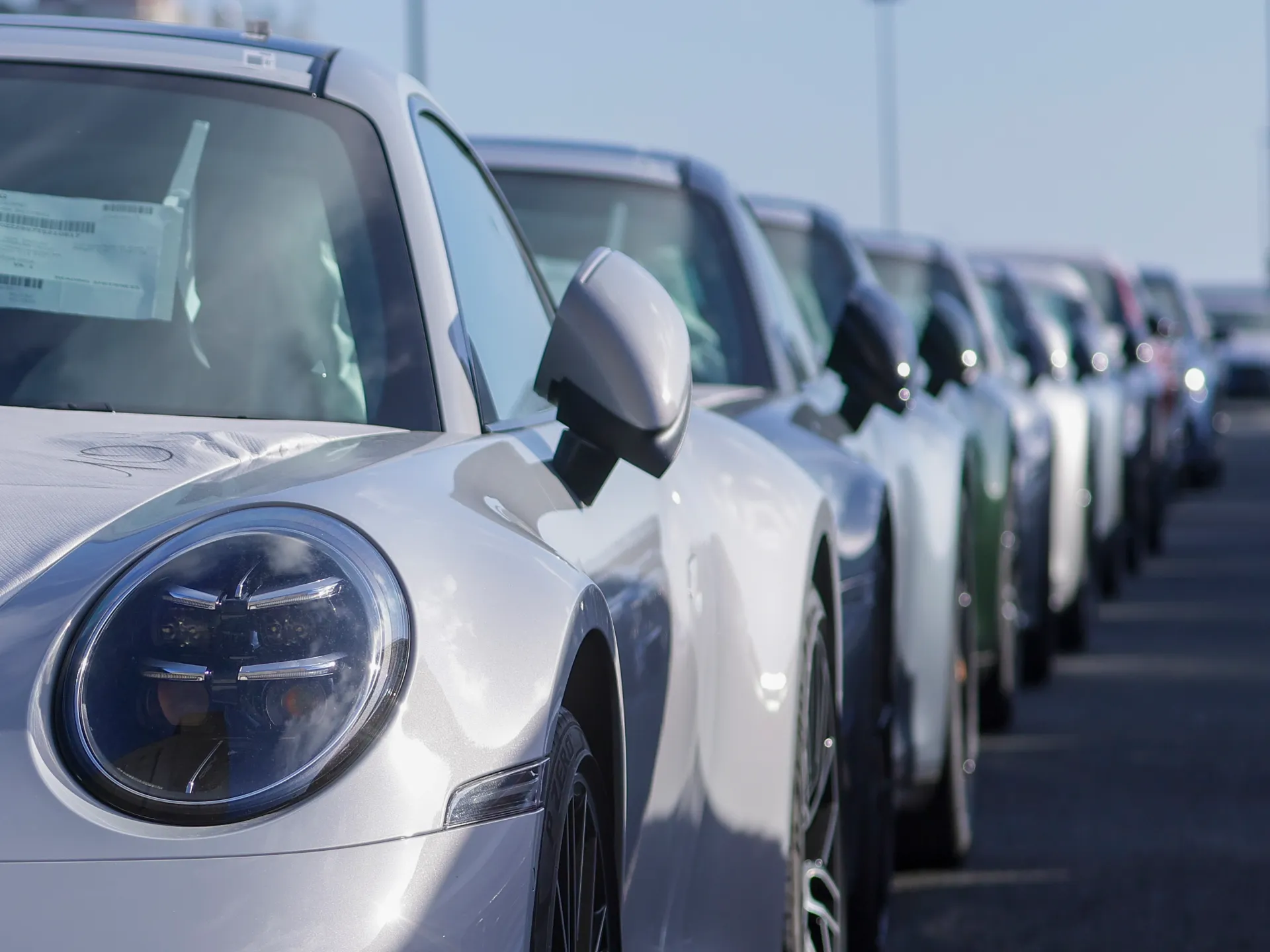
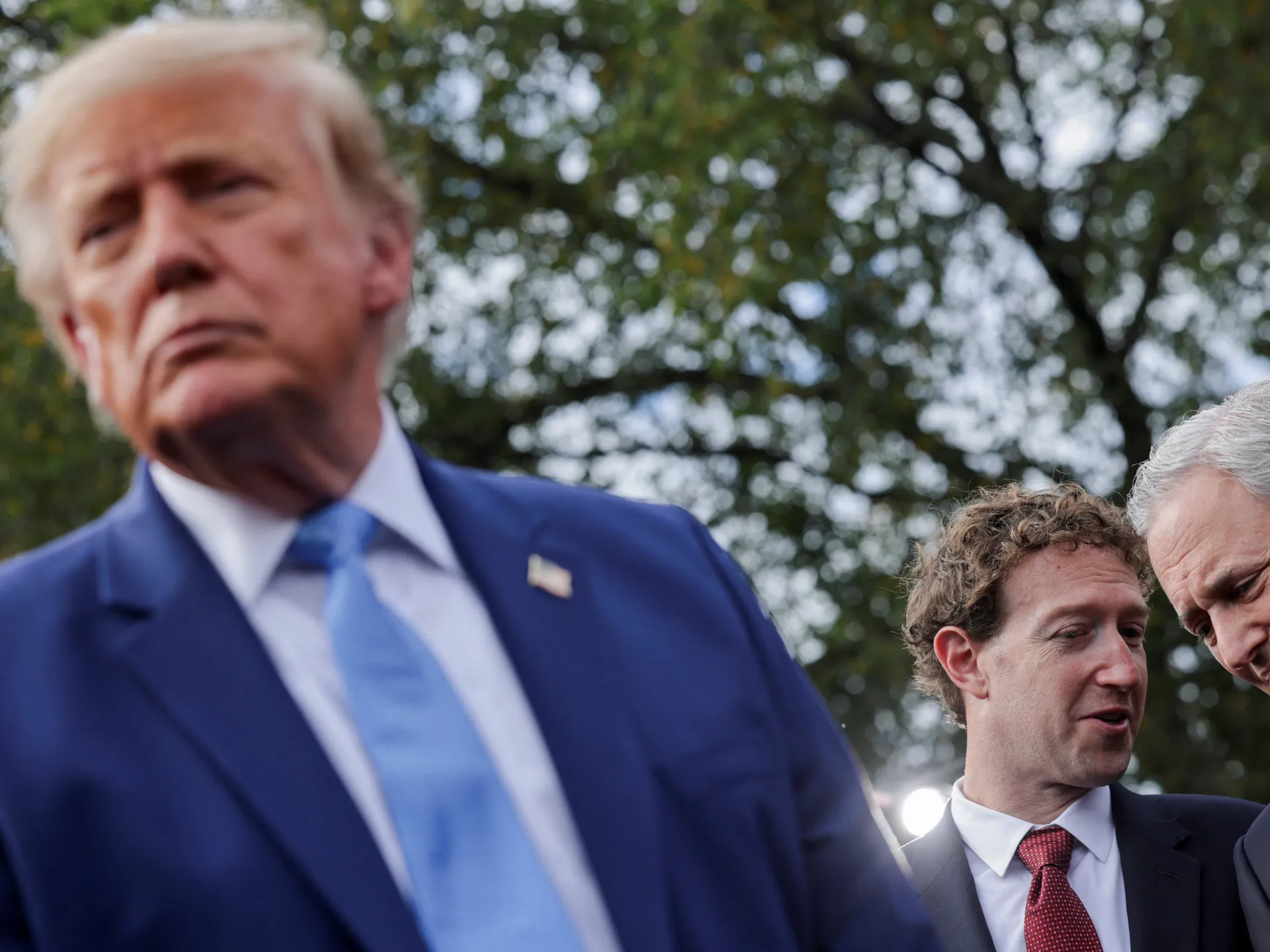
US President Donald Trump has announced a threat to increase tariffs on European Union-manufactured cars and trucks exported to the United States from 15 per cent to 25 per cent. The announcement was made after Trump accused the EU of failing to fully comply with a trade agreement reached in July 2025, specifically citing the bloc's refusal to join the US-led war on Iran.
While vehicles assembled in the US by EU companies are reportedly exempt from this specific levy, the European Commission has rejected the US claim of non-compliance. No additional tariffs have yet come into effect, though the threat has caused surprise in Brussels. The move targets Germany most heavily, though France, Italy, and supply chain nations like Slovakia, the Czech Republic, and Hungary are also at risk.
The dispute centres on the July 2025 trade accord, which capped US tariffs on most EU goods, including cars, at 15 per cent. Trump stated that the EU is not complying with the full agreed terms of the deal, a point of contention not previously highlighted as the primary reason for the tariff threat in the context of the agreement. This friction follows recent days where German Chancellor Friedrich Merz publicly criticised the US war in Iran, occurring just before Trump announced the withdrawal of 5,000 US troops from the region.
In response to the escalation, the European Parliament has included safeguards in the ratified trade deal provisions that would allow for the suspension of the agreement if the US imposes additional tariffs above the agreed 15 per cent ceiling. EU member nations have to agree on these parliamentary recommendations before the deal is fully implemented, with representatives of the European Parliament and the European Council set to resume negotiations on the matter.
Legal and economic experts note that while the threat is significant, the actual impact on trade flows depends on whether American consumers will continue to purchase EU vehicles despite the potential price increase. The European Commission spokesperson stated that the bloc remains calm and focused on enforcing the joint statement in the interests of its companies and citizens, while trade officials prepare for high-level discussions ahead of a G7 trade ministers meeting.