US tariff threats on European vehicles scaled back, but Turnberry Agreement ratification remains stalled
Following a G7 summit in Paris, President Trump deferred a decision on higher duties until July 4, yet EU officials warn that the legal framework for the trade deal remains incomplete.
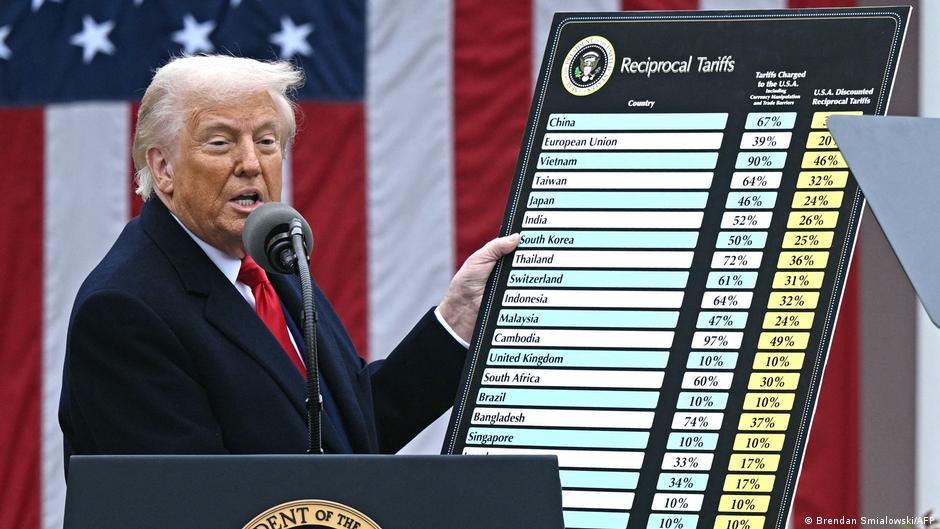
At the Group of Seven summit in Paris, the focus on global trade issues was overshadowed by President Donald Trump's threat to impose a 25% tariff on European vehicle imports. The administration justified this move by alleging that the European Union had failed to fulfil its obligations under the Turnberry Agreement, a deal struck at a golf course in Scotland. Under the terms of that agreement, the United States agreed to a maximum tariff of 15% on EU goods in exchange for the elimination of tariffs on US industrial products.
In the wake of these comments, the immediate threat has been recalibrated following discussions between President Trump and European Commission President Ursula von der Leyen. Trump indicated he would defer the decision to implement higher tariffs until July 4, coinciding with the United States' 250th birthday. Despite this temporary de-escalation, the core dispute remains unresolved, with EU trade officials emphasising that both sides must adhere to the 15% tariff limit originally agreed upon.
Maros Sefcovic, the EU Commissioner for Trade and Economic Security, and Jamieson Greer, the US Trade Representative, concluded during their meeting in Paris that the Turnberry Agreement must be respected by both parties. Sefcovic stated clearly that while the EU must reduce tariffs on US exports as promised, the United States should return to the stipulated 15% rate. Katherina Reiche, Germany's minister for economic affairs and energy, echoed these sentiments, noting that auto exports are a central issue for her nation and expressing hope that ongoing talks would resolve the matter.
The economic stakes for Germany are particularly high, as the country relies heavily on the United States as its second-most important market for automotive exports. An analysis by the Kiel Institute for the World Economy warns that the implementation of the threatened 25% tariffs could result in short-term losses of almost €15 billion for the German auto sector. In the longer term, the institute estimates total losses could reach up to €30 billion, potentially dealing a significant blow to Germany's already weaker economic performance.
Observers suggest that the tariff threats may serve as retaliatory measures in response to political friction, including remarks made by German Chancellor Friedrich Merz regarding the Iran war and criticisms from Italian Prime Minister Giorgia Meloni. Trade experts also note that the unpredictability of President Trump's economic dealmaking approach often involves using tariff threats as leverage, making the current situation a characteristic example of this strategy.
Complicating the diplomatic efforts is the fact that the European Parliament has not yet ratified the Turnberry Agreement, with delays attributed to previous US threats and a US Supreme Court ruling declaring some of Trump's tariffs illegal. EU parliamentarians are now demanding safeguards to ensure US compliance, noting that the agreement has faced ratification delays twice previously. As the deadline approaches, the emphasis remains on restoring stability and predictability to transatlantic trade relations, though analysts caution that such guarantees may be elusive under the current administration.