US suspends Iranian oil sanctions as nuclear inspectors return
Tehran agrees to allow International Atomic Energy Agency access, while mediators outline a 60-day roadmap for a final deal
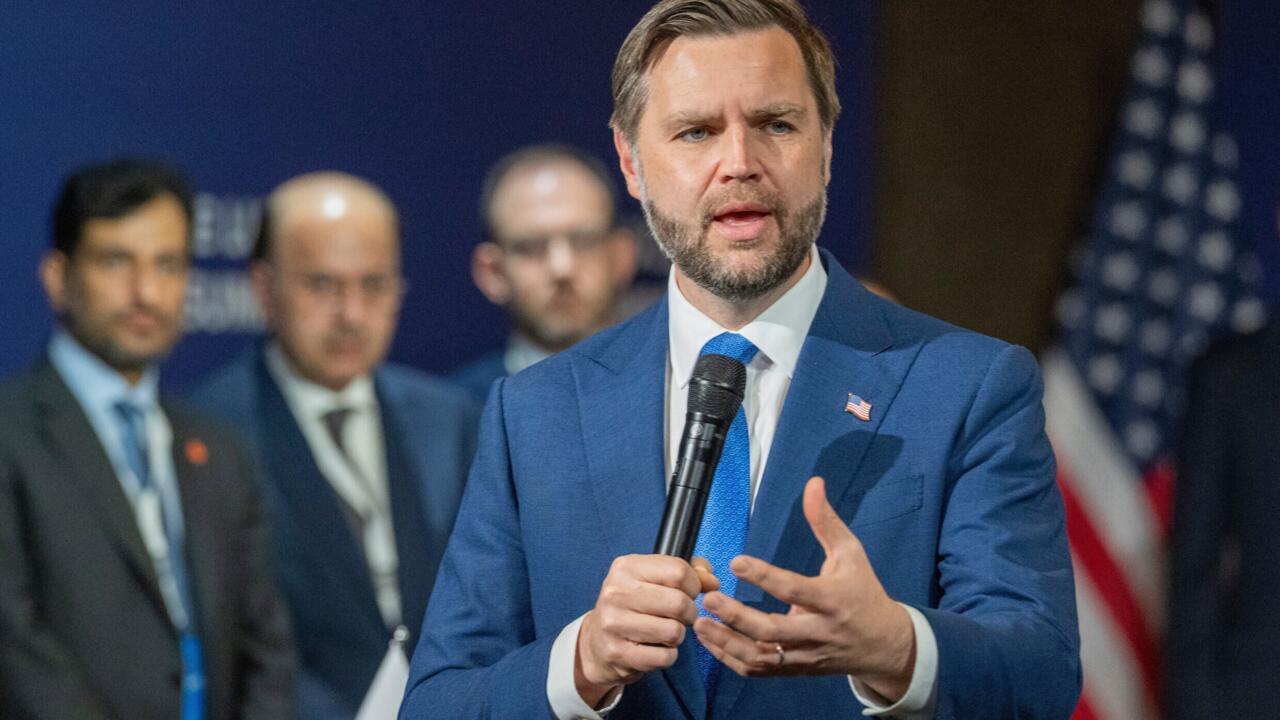
The United States has temporarily suspended sanctions on Iranian oil and related products, a move announced by Vice President JD Vance following talks in Switzerland. The suspension, confirmed by the US Treasury, remains in effect until 21 August and coincides with Tehran’s agreement to allow International Atomic Energy Agency inspectors to return to the country. This development marks a significant shift in diplomatic engagement, aiming to curb Iran’s nuclear programme and stabilise transit through the Strait of Hormuz.
Vice President Vance described the agreement as a “major milestone” and the first step toward the permanent denuclearisation of Iran. Speaking at the Burgenstock resort, he stated that while the final deal had not yet been constructed, a successful foundation had been laid. US Treasury Secretary Scott Bessent cited Tehran’s commitment to free and open transit in the Strait of Hormuz and the permission granted to inspectors as key reasons for the pause in sanctions.
Iranian Foreign Minister Abbas Araghchi confirmed the terms of the arrangement via social media, stating that oil and petrochemical exports are waived, a blockade has been lifted, and some frozen assets are being released. However, US officials have placed strict conditions on these financial relaxations. Vance insisted that any unfrozen assets would be used exclusively to purchase US goods, such as soybeans, rather than funding activities contrary to American interests.
The negotiations follow a memorandum of understanding signed last week between Washington and Tehran, which ended nearly 40 days of fighting. Mediators Pakistan and Qatar reported that negotiators have reached a roadmap towards a final deal within 60 days, with technical talks continuing in Switzerland. Iranian officials, including Ghalibaf and Araghchi, have departed for Muscat, Oman, to discuss stabilising arrangements for the Strait of Hormuz, while US Secretary of State Marco Rubio is scheduled to visit the United Arab Emirates, Kuwait, and Bahrain to secure safe transit.
Despite the progress, tensions remain high in the region. Israeli Prime Minister Benjamin Netanyahu expressed deep misgivings over the US-Iran agreement, insisting that Israeli troops retain full freedom of action in south Lebanon. The conflict in Lebanon has resulted in a death toll surpassing 4,100, with building damage estimated at $1.38 billion. While a de-confliction cell has been established to prevent further fighting, the broader geopolitical landscape remains fragile as both sides navigate the complex path toward a permanent settlement.