US Supreme Court Blocks Prisoners from Suing Staff for Religious Violations
A 6-3 decision upholds lower court findings that incarcerated individuals cannot seek monetary damages from prison staff, even when religious rights are infringed, drawing sharp dissent from liberal justices.
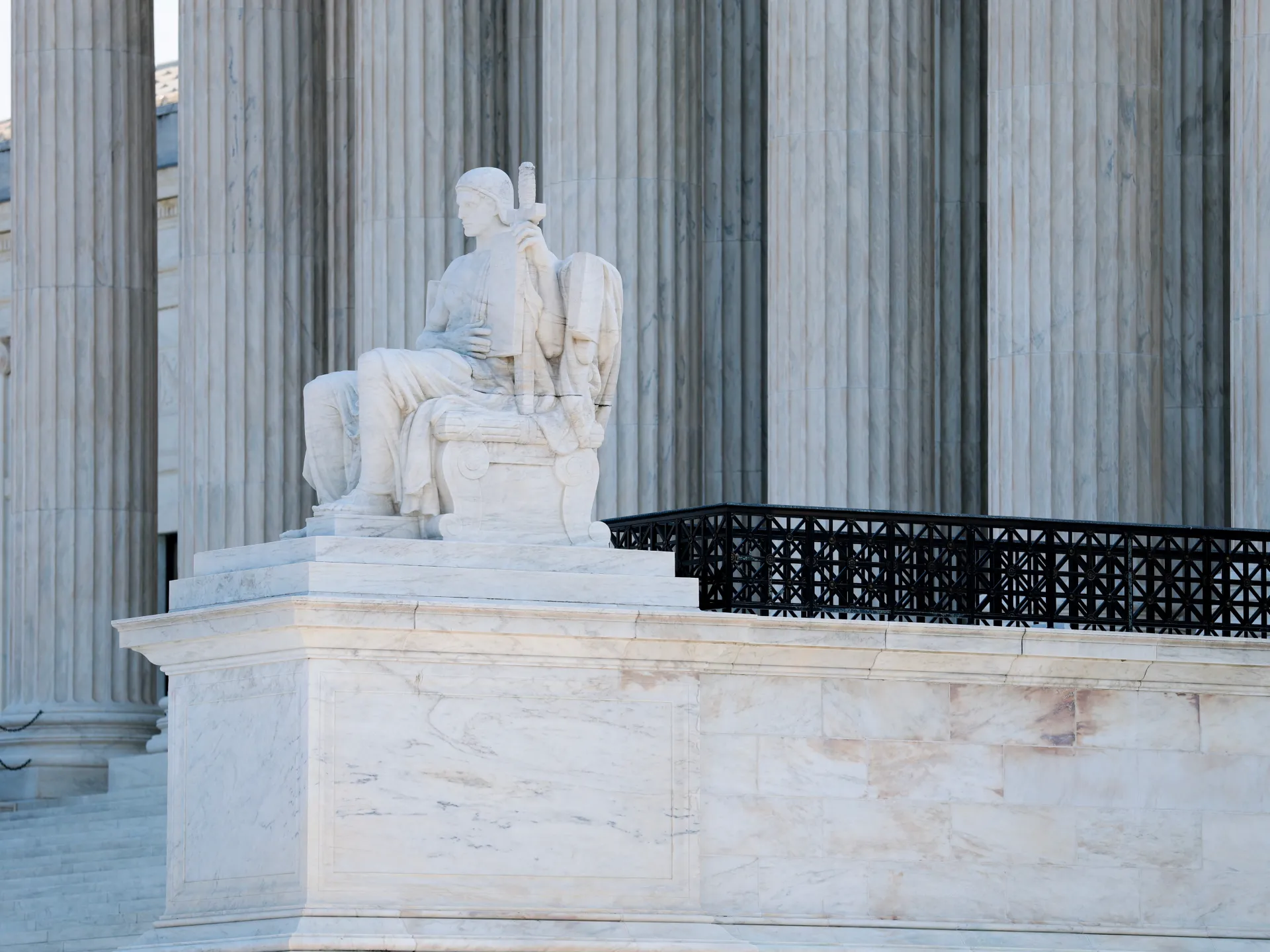
The United States Supreme Court has ruled that a Rastafarian prisoner cannot sue individual prison officials for monetary damages after his dreadlocks were forcibly cut in violation of his religious beliefs. In a 6-3 decision delivered by Justice Neil Gorsuch, the conservative majority held that the Religious Land Use and Institutionalized Persons Act (RLUIPA) imposes obligations solely on state or local entities receiving federal funds, not on individual employees who have not consented to such liability.
The ruling upholds a lower court’s decision that incarcerated individuals cannot seek financial compensation from staff members, even when their rights are infringed. Justice Gorsuch wrote that it was improper to sue the prison officials as they had not consented to be liable under the statute, comparing the situation to a breach of contract action against a defendant who never formed a contract. The court did not dispute that Landor’s religious rights had been violated, but rather focused on the legal scope of the RLUIPA.
The case originated from a 2020 incident involving Damon Landor, who served a five-month prison term in Louisiana. Landor entered the system carrying a copy of a 2017 appeals court ruling which found that cutting a religious prisoner’s dreadlocks violated federal law. Court filings reveal that prison officials initially respected Landor’s beliefs, but after he was transferred to the Raymond Laborde Correctional Center, a guard threw the document in the trash and the warden ordered his head shaved. Two guards held Landor down while a third shaved his head.
Justice Ketanji Brown Jackson dissented, arguing that without the threat of personal liability, officials would have little incentive to comply with legal protections for prisoners. Writing for the three liberal justices, she stated that RLUIPA is a law rather than a contract, and that the distinction was key to ensuring accountability. She noted that the incident clearly illustrated Congress’s reasons for adopting the legislation and the Constitution’s wisdom in enabling it.
Landor, who is Rastafarian and required by his faith to grow his hair, released a statement through his lawyers indicating he would continue his pursuit of justice despite the ruling. “I am disappointed but not defeated,” Landor said. “What happened to me violated my faith and my dignity. I will continue pursuing accountability. What happened to me should not happen to anyone else.”