US submits classified Saudi nuclear pact to Congress amid Abraham Accords condition
The 30-year civilian nuclear cooperation agreement faces a 90-day review period, with approval contingent on Riyadh normalising relations with Israel.
The United States has formally submitted a classified civilian nuclear cooperation agreement with Saudi Arabia to Congress for review. The document, delivered to Capitol Hill on Monday, was signed in Washington by US Energy Secretary Chris Wright and his Saudi counterpart. While the pact aims to bolster Riyadh’s nuclear programme over a 30-year period, its finalisation remains tied to broader diplomatic shifts in the region.
According to an administration official, the submission was required under the Atomic Energy Act. The agreement is unusual in that its entire contents are classified, whereas previous civil nuclear pacts, known as 123 agreements, have typically been made public, often with only specific annexes kept confidential. This level of opacity has raised questions among observers regarding the specific terms of the deal.
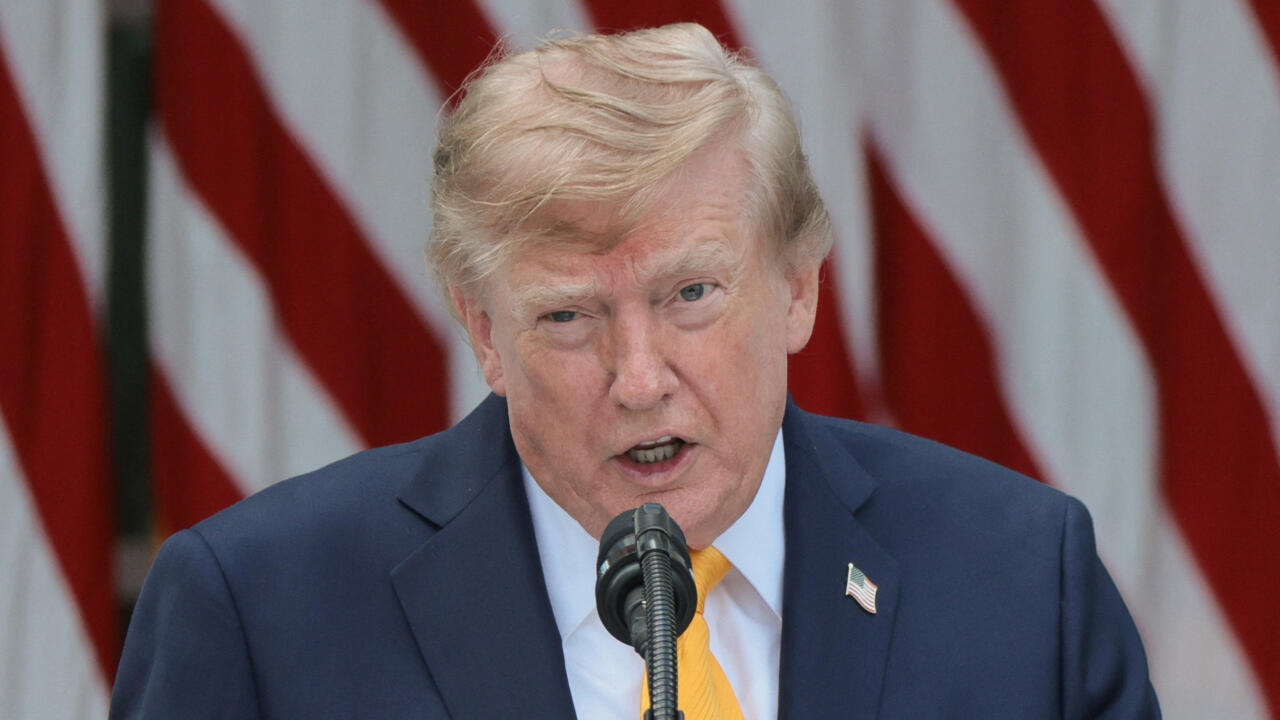
A significant complication arises from a condition announced by President Donald Trump the day after the signing. Trump stated that the agreement would not move forward unless Saudi Arabia normalised relations with Israel through the Abraham Accords. It remains unclear whether this specific requirement is explicitly detailed in the classified document submitted for congressional review, as officials familiar with the matter declined to comment publicly.
Under current law, Congress has 90 days while in session to review the agreement. Unless a joint resolution rejecting the pact is passed during this period, the agreement can take effect without a formal vote by either chamber. The default mechanism places the burden of rejection on lawmakers rather than requiring an affirmative approval process.
The diplomatic condition has introduced friction into the negotiations. Saudi Arabia has indicated that normalising relations with Israel requires a clear path to Palestinian statehood, a concept recently rejected by Israeli Prime Minister Benjamin Netanyahu. This divergence could complicate the path to final approval, particularly given that the Saudis were reportedly taken by surprise by the post-signing announcement.
Criticism from some US lawmakers focuses on potential nuclear proliferation risks. Concerns have been raised that the deal could allow Saudi Arabia to enrich its own uranium, a long-standing desire of the kingdom. The involvement of US firms in developing the programme following a joint US-Saudi study is expected, but the broader geopolitical implications continue to shape the legislative debate.