US strikes Iranian sites near Strait of Hormuz as peace talks stall in Doha
Washington Central Command targets missile sites and vessels while Tehran warns against expectations of an imminent deal, even as President Trump engages Beijing on regional tensions.
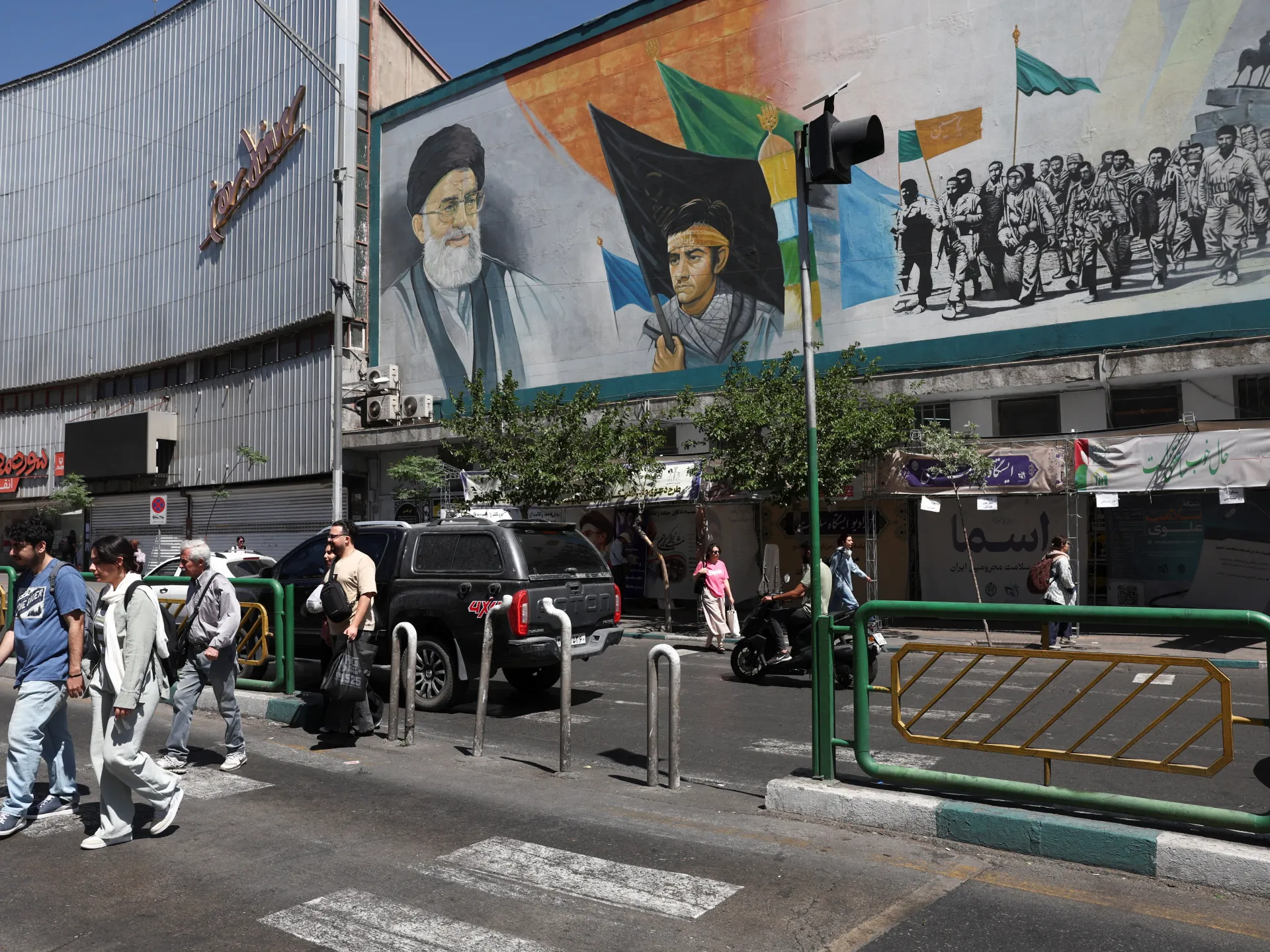
United States forces conducted strikes on missile launch sites and vessels in southern Iran on Monday, describing the operations as measures taken in self-defence. The attacks targeted locations near the strategic port city of Bandar Abbas, situated close to the Strait of Hormuz, a critical global chokepoint through which approximately one-fifth of the world’s oil and gas supply passes.
United States Central Command confirmed that the operations responded to alleged threats from Iranian forces, including boats attempting to emplace naval mines. US Central Command spokesman Tim Hawkins stated that the action was necessary to protect US troops. The strikes occurred against the backdrop of a fragile ceasefire that began on 8 April 2026, raising concerns that the military action could undermine the truce that has held for nearly two months.
Concurrently, a senior Iranian delegation arrived in Doha, Qatar, for high-stakes negotiations aimed at ending the three-month-long conflict. Despite the diplomatic engagement, Iranian officials tempered expectations regarding a swift resolution. A spokesman for Iran’s Foreign Ministry stated on Monday that while progress had been made in the talks, this did not equate to an imminent deal, explicitly cautioning against hopes for a rapid breakthrough.
In a significant diplomatic parallel, US President Donald Trump is currently in Beijing for a two-day summit with Chinese President Xi Jinping. This marks the first visit by an American president to China since 2017. The agenda for the meeting covers trade, artificial intelligence, and the escalating tensions in the Strait of Hormuz, reflecting the interconnected nature of global security and economic markets.
Following the developments, oil prices fell below US$100 a barrel on Tuesday as investors reacted to the dual developments of military escalation and diplomatic uncertainty. The market response underscores the volatility inherent in the region, where military actions and negotiations proceed simultaneously without a clear path to de-escalation.