US strikes destroy key bridges and tower in southern Iran
Washington’s latest military intervention targets infrastructure in southern Iran, while Tehran’s military spokesperson declares the strategic waterway will never return to its previous state.
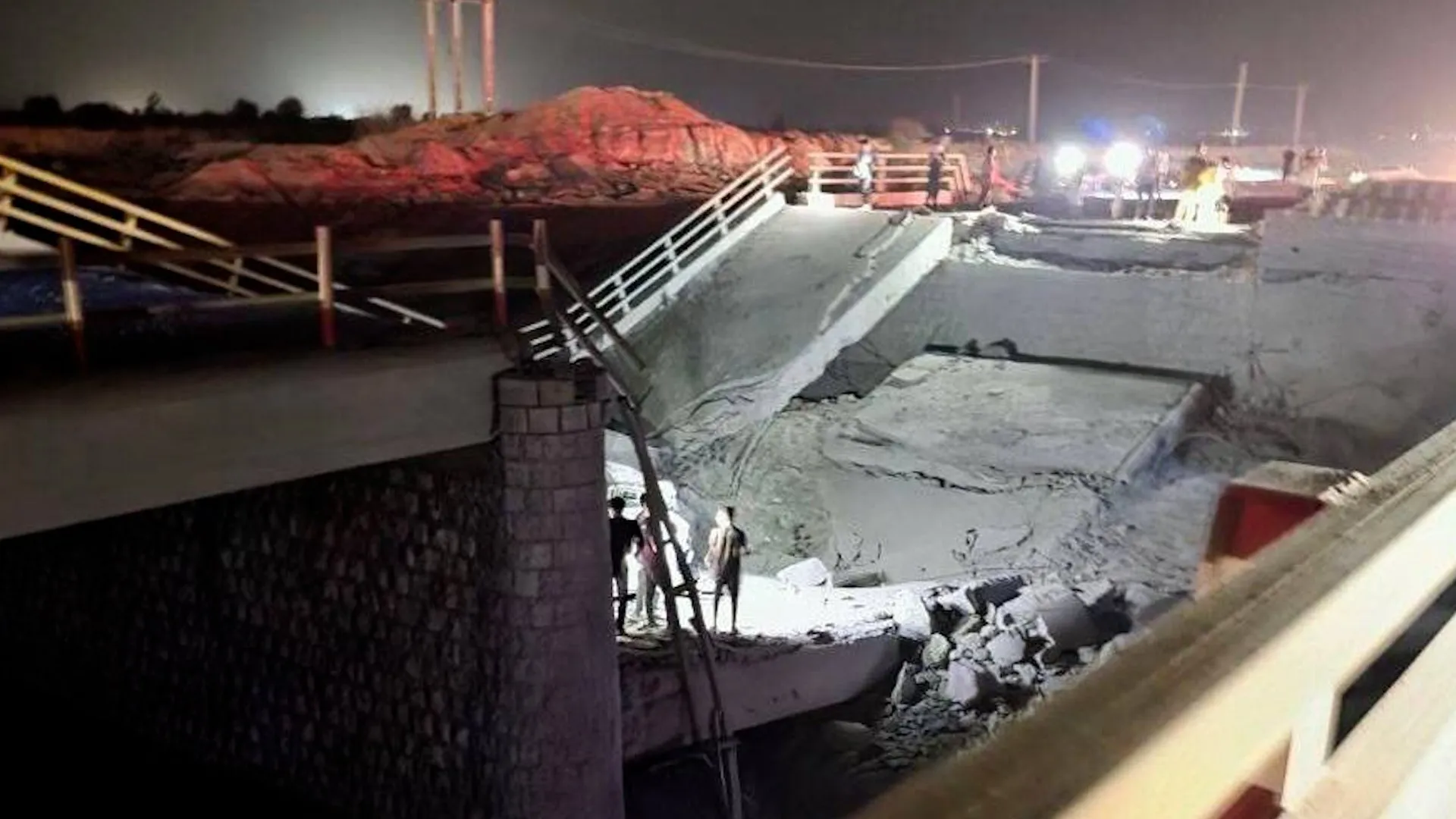
United States military strikes have destroyed key bridges and a tower in southern Iran, marking a significant escalation in hostilities across the region. The attack targeted critical infrastructure within the southern province, although specific details regarding the identities of the structures or their precise strategic locations remain undisclosed in initial reports.
The destruction of these assets follows a period of intensifying military friction between Washington and Tehran. The strikes represent a direct physical intervention in Iranian territory, adding to a broader pattern of military hostilities involving infrastructure across the Middle East.
In response to the destabilisation caused by the US actions, Iranian military spokesperson Ebrahim Zolfaghari issued a stark declaration regarding the region’s vital maritime routes. Zolfaghari stated that the Strait of Hormuz would never return to its previous state, directly accusing the United States of undermining the security and stability of the waterway.
The military confrontation is occurring against a backdrop of heightened political friction. US Vice President JD Vance has alleged that members of the Israeli government attempted to influence US public opinion to oppose a diplomatic deal with Iran. These political claims add a layer of diplomatic complexity to the ongoing security crisis, suggesting internal disagreements within allied governments regarding the handling of Tehran.
The combination of kinetic military strikes and political allegations underscores the deepening rift between the United States and Iran. As infrastructure in southern Iran is dismantled and rhetoric regarding the Strait of Hormuz hardens, the region faces a precarious security environment with no immediate diplomatic off-ramp visible.