Berlin urges EU deployment to avert security vacuum in Lebanon as UNIFIL mandate nears expiry
Germany calls for a European Union-led mission to replace the United Nations Interim Force in Lebanon, though officials suggest the new operation will focus on training the Lebanese military rather than replicating traditional peacekeeping.
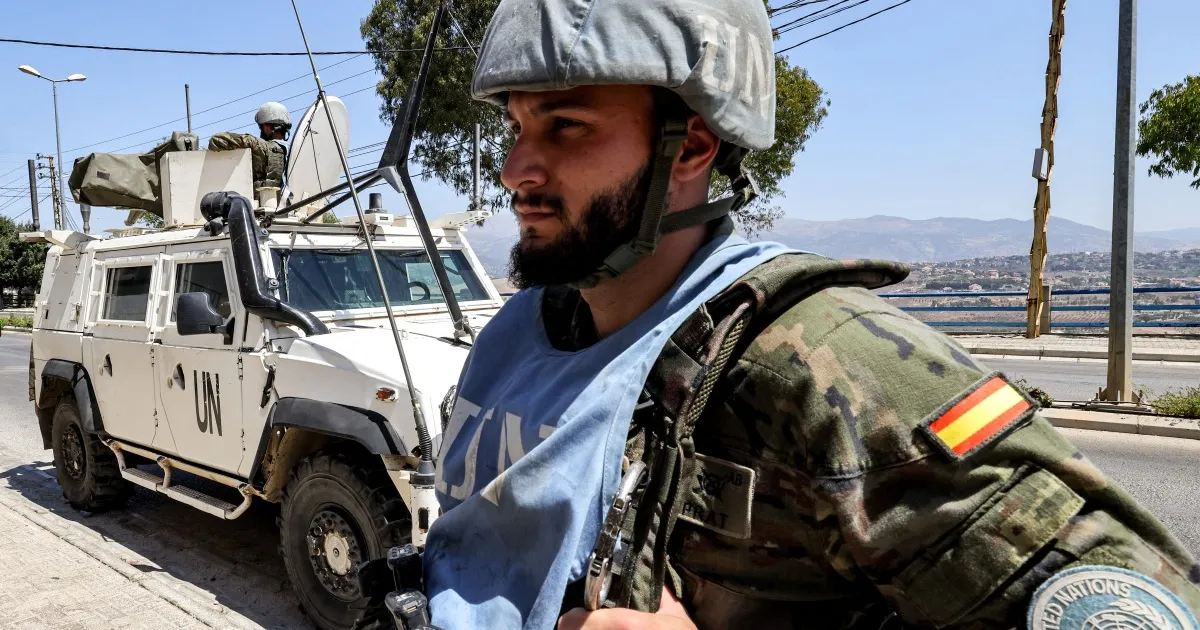
German Foreign Minister Johann Wadephul has renewed calls for the European Union to deploy a force to Lebanon to replace the United Nations Interim Force in Lebanon (UNIFIL), whose mandate is set to expire at the end of the year. Speaking to broadcaster RedaktionsNetzwerk Deutschland on Friday, Wadephul warned that a withdrawal without a coordinated replacement could create a dangerous security vacuum in southern Lebanon.
The proposed mission aims to facilitate the withdrawal of Israeli forces from the region while preventing Hezbollah from re-establishing its presence. Wadephul stated that the force is necessary to allow the Israeli army to retreat from areas it currently occupies, where it has been conducting strikes and operations against the Iran-backed group despite an existing ceasefire. He emphasised the need to prevent Hezbollah from “returning with its terror” in the power vacuum that might otherwise emerge.
Lebanon has offered its support for a potential EU-led mission, but the nature of such an operation remains distinct from the current UN presence. Officials in Brussels and military sources have indicated that the new mission would differ significantly from UNIFIL’s traditional boots-on-the-ground peacekeeping model. Instead, the focus would likely shift towards training and supporting the Lebanese military to help it fill the security void left by the departing UN contingent.
The debate over the replacement mechanism has intensified following significant shifts on the ground. In May, Israel advanced further into Lebanese territory than at any point since it ended its occupation of the south in 2000, fueling concerns about the effectiveness of existing arrangements. UNIFIL, deployed in 1978, has faced scrutiny from all sides regarding its ability to prevent such advances during the recent war against Hezbollah.
This diplomatic push occurs as Lebanon and Israel pursue a US-brokered process to end the conflict. The two sides recently concluded a sixth round of talks in Rome, focusing on establishing “pilot zones” in southern Lebanon from which Israeli forces would begin withdrawing in exchange for the disarmament of Hezbollah. The UN Security Council agreed last year, under pressure from the United States, to end UNIFIL’s 48-year mission, prompting ongoing discussions within the EU about how to ensure stability following the withdrawal.