US States Turn to Geothermal to Offset Costs of Abandoned Oil Wells
With remediation costs reaching hundreds of millions of dollars and timelines spanning centuries, policymakers are exploring whether repurposing inactive wells for geothermal heat can turn an environmental liability into a revenue-generating asset.
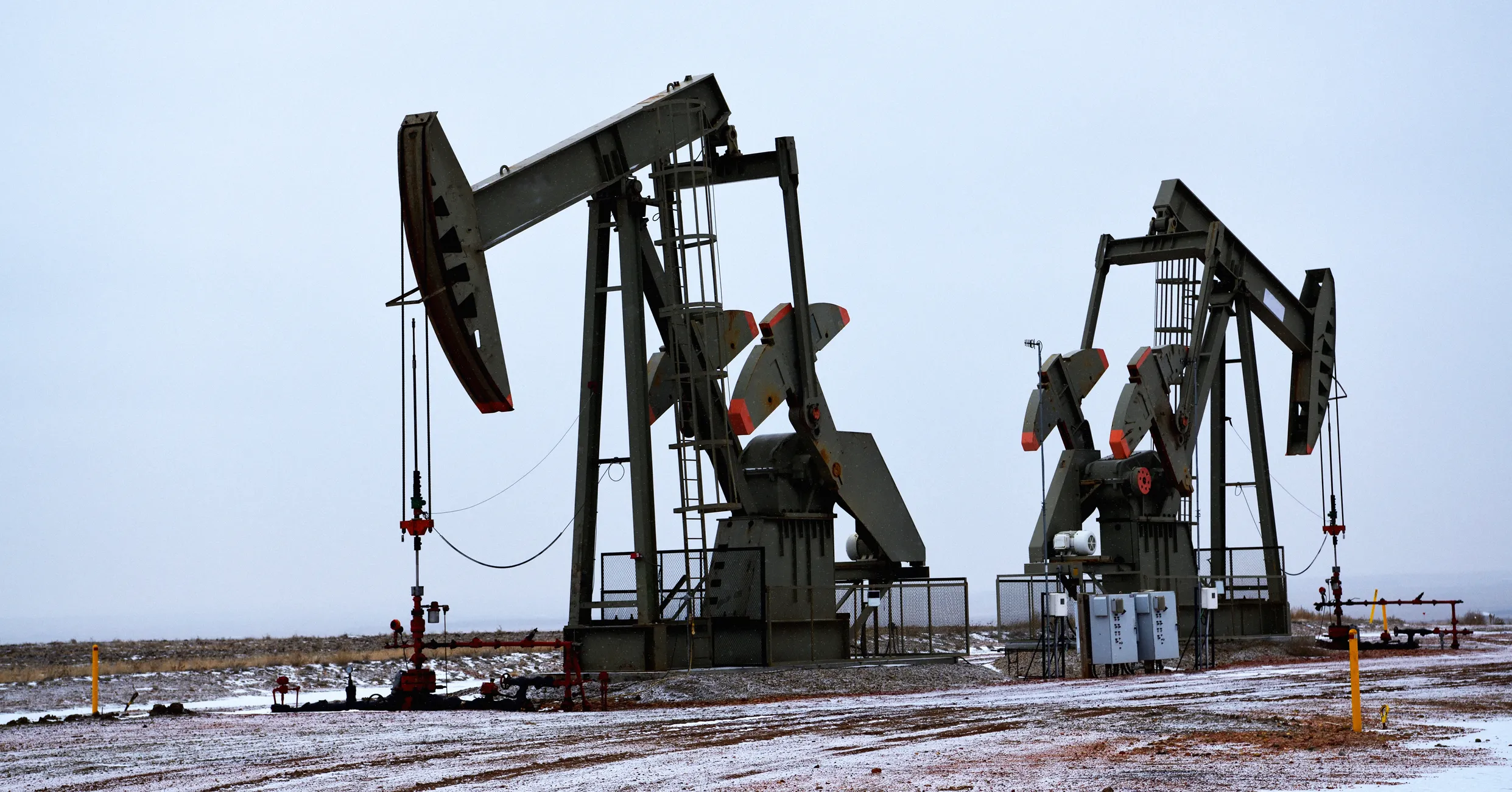
Several US states are advancing legislation and feasibility studies to convert abandoned oil and gas wells into geothermal energy sources, aiming to address significant environmental liabilities while generating clean power. The bipartisan effort spans Oklahoma, Alabama, North Dakota, and Colorado, where lawmakers are working to update regulatory frameworks that historically lacked provisions for wells with no responsible owner.
Oklahoma has identified more than 20,000 abandoned wells, with state regulators estimating that plugging them all would take 235 years and cost hundreds of millions of dollars. Fixing a single well can range from $75,000 to $150,000 or more, depending on location and complexity. To address this, the state Senate is considering a bill that would allow companies to purchase and repurpose these sites, following the passage of the Well Repurposing Act in the House in March. This legislation mirrors a similar law adopted by New Mexico to manage its own inventory of orphan wells.
Alabama recently passed a law enabling the state to approve and regulate the conversion of oil and gas wells for alternative energy resources. Meanwhile, North Dakota has adopted a bill requiring a legislative council to study the feasibility of using nonproductive wells for geothermal power, and Colorado has launched a technical study to evaluate repurposing old wells for both geothermal development and carbon capture.
The initiative aligns with broader momentum in the geothermal sector, which has largely remained unaffected by recent federal efforts to block other renewable energy projects. Geothermal systems circulate fluids underground to capture heat for electricity generation or direct building heating. The industry benefits from advances in drilling technology and the skilled workforce of the oil and gas sector, although most current expertise is directed toward new projects rather than retooling legacy infrastructure.
Technical and financial hurdles remain significant. Oil and gas wells often reach lower temperatures than required for efficient electricity generation and produce smaller fluid volumes than geothermal systems need. Additionally, operators must manage risks such as subsurface contaminants mixing with working fluids. At the University of Oklahoma, researchers are evaluating a project to turn four old wells into heat sources for the city of Tuttle, supported by a $1.7 million grant from the US Department of Energy’s Wells of Opportunity program. The project was paused during a freeze on federal funding and is awaiting its next phase.
In Pennsylvania, researchers are studying the potential to use over 200,000 abandoned wells to heat agricultural greenhouses and house underground air energy-storage systems. Proponents argue that repurposing wells offers a viable path for clean energy and well remediation, though scaling the technology will require more data and successful pilot projects to attract investment and streamline permitting processes.