US States Seek $200 Billion from Meta in Landmark Trial Over Child Addiction Allegations
Opening statements in Oakland federal court detail internal emails describing Instagram as a “drug,” while Meta denies wrongdoing and cites safety tools
A coalition of 29 US states, led by California, Colorado, Kentucky, and New Jersey, has commenced a federal trial against Meta, alleging the company intentionally designed Facebook and Instagram to be addictive to children for profit. Prosecutors are seeking approximately $200 billion in penalties and sweeping changes to app features, including the removal of infinite scroll and the implementation of stricter age restrictions. The trial is expected to last six weeks, with a verdict anticipated by October.
During opening statements, California prosecutor Megan O’Neill described Meta’s business model as one intended to “hook the users, hold them for as long as they can, harvest their data, and then hide the truth from the public.” O’Neill presented an internal email to Instagram head Adam Mosseri stating that “teen time spent” was a company goal, and cited employee descriptions of Instagram as a “drug” and staff as “pushers.” She argued that Meta exploited how children’s brains work, noting that the younger a child is when they start using the app, the more likely they are to remain a user and generate long-term revenue.
Colorado Attorney General Phil Weiser framed the litigation as a necessary intervention where Congress has failed to act, comparing the case to landmark lawsuits against tobacco companies. “This case, too, involved public health, and in some cases, marketing to kids that hurt kids,” Weiser said. The charges against Meta are threefold: that it lied to the public about the dangers of its apps for minors, designed features specifically to keep young users online, and gathered data on children under age 13 without parental consent, violating federal data laws.
Meta’s lawyer, Paul Schmidt, acknowledged that some users had negative experiences but argued the company has developed tools to help them. He suggested that private employee language does not reflect official policy and that Meta has worked with parents and experts to incorporate safeguards. However, former Meta engineering director Arturo Bejar testified that during Facebook’s early years, safety and security were often an “afterthought” in the rush to distribute the product. Meta attempted to block Bejar from testifying, but the judge denied the motion.
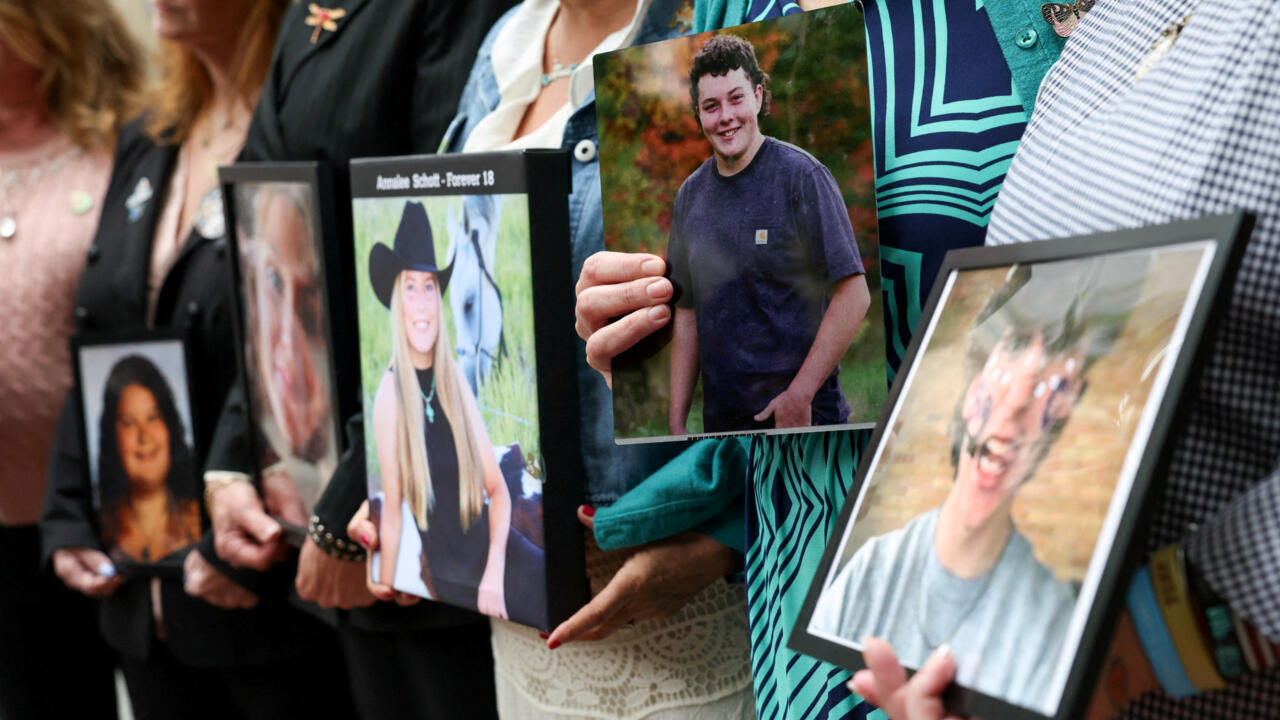
Activists, including Lori Schott, rallied outside the court, accusing Meta founders Mark Zuckerberg and Adam Mosseri of building a powerful company at the expense of children’s safety. Zuckerberg and Mosseri are listed as star witnesses in court documents, though California Attorney General Rob Bonta declined to confirm whether Zuckerberg would testify. The trial marks the first federal case of its kind, with other social media platforms like TikTok and Snapchat facing similar scrutiny from families, educators, and state governments across the United States.