Iranian parliament advances draft law restricting foreign academic and media contact
The proposed legislation mandates prior authorisation for interactions with foreign universities and media, drawing sharp criticism from the government and legal experts who argue it undermines scientific cooperation and personal freedoms.
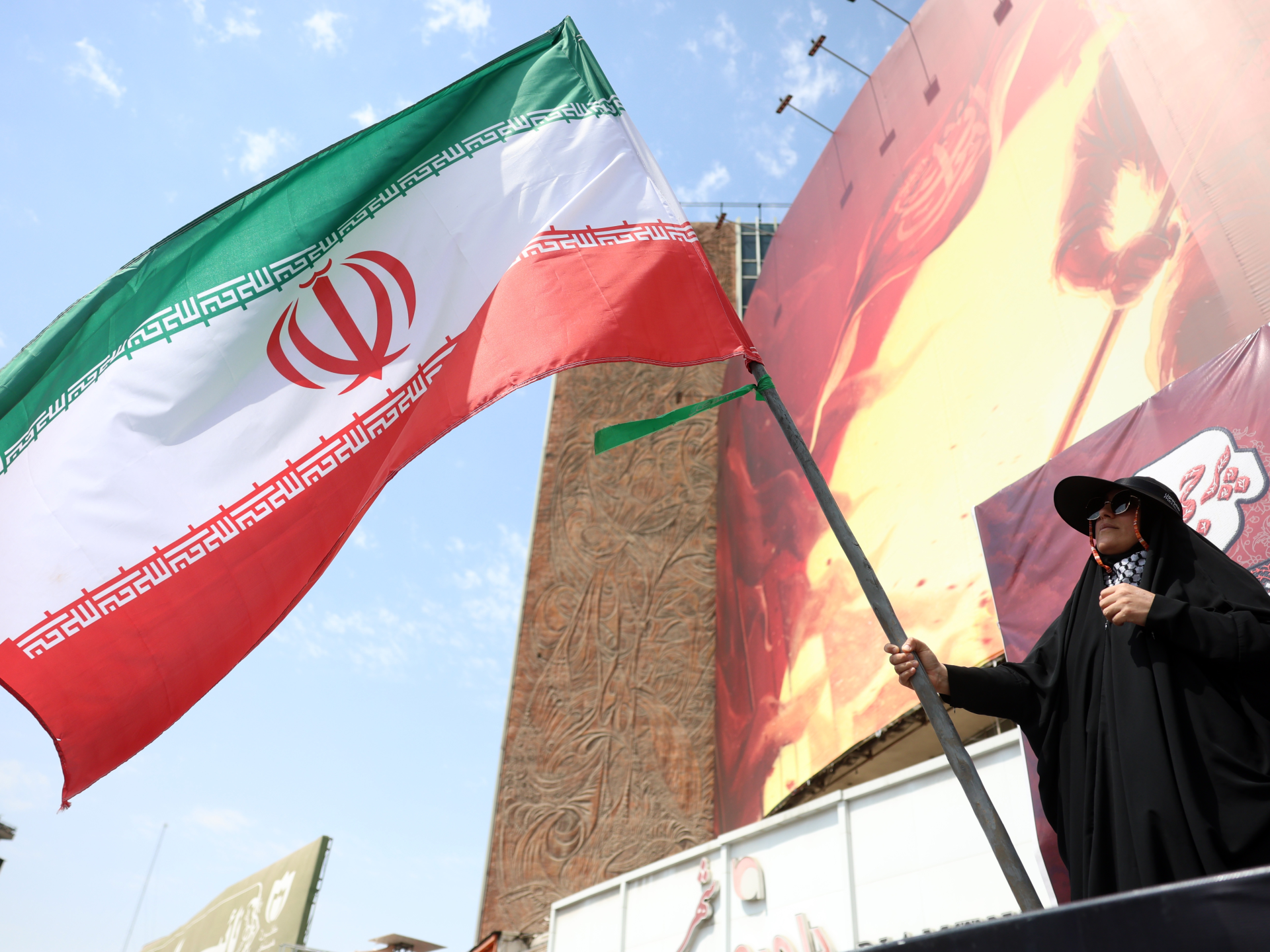
Iran’s hardline-dominated parliament has approved the broad outlines of a legislative plan aimed at combating foreign “infiltration” within the academic, media, and cultural sectors. The draft bill, which was approved during a remote parliamentary session on Sunday, requires citizens and entities to seek authorisation for contact with foreign universities and media. Proponents of the measure have framed it as a complement to a previous espionage law passed following the 12-day war with Israel and the United States last year, arguing it is necessary to bolster national security.
An updated 33-article version of the bill released on Wednesday details that the Ministry of Interior will establish a portal for registering foreign-linked activities. These activities include data exchange, scholarships, scientific cooperation, publishing, and artistic production. The legislation categorises countries into three tiers of scrutiny, with the United States and Israel expected to face the highest level of oversight. The bill exempts the armed forces, the Intelligence Ministry, and political officials from these registration requirements.
The proposed law imposes significant penalties for unauthorised interactions. Violators who engage with foreign media deemed hostile by the Islamic Republic could face six months to several years in prison. Foreign-supported workshops or courses could result in imprisonment for organisers and potential punishment for participants. Additionally, any false information or policy recommendations given under foreign direction that harms Iran’s security carries a maximum stated punishment of 30 years’ imprisonment.
The government has voiced explicit opposition to the legislation. Majid Ansari, the deputy for legal affairs for President Masoud Pezeshkian, stated that the plan violates the constitution and will accelerate brain drain. He argued that the bill imposes serious restrictions on scientific work and obstructs Iranian academics’ access to international colleagues. Ansari contended that Iran’s main vulnerabilities stem from larger-scale issues and inadequate oversight within the establishment, rather than the minor infiltration the law targets.
Legal experts and media outlets have also criticised the draft. Kambiz Norouzi, a legal expert and university professor, described the plan as wholly inconsistent with the fundamental rights of the people. He warned that such lawmaking propagates disorder rather than helping to run the affairs of the country. Local media responses have been mixed, with reformist outlets calling it a law against communication, while ultraconservative newspapers have praised it as a revolutionary resolution.
The legislation requires final ratification by the Guardian Council, a process that could take weeks or months. The controversy surrounding the plan has intensified as the deadline for a memorandum of understanding with Washington expired, amid prospects of further military escalation. The bill also mandates that education, science, and health ministries incorporate “enemy infiltration” awareness and media literacy into curricula, with input from the Ministry of Intelligence.