US State Department report alleges Cuba is ‘connective tissue’ of anti-American coalition
The Trump administration’s latest report characterises Cuba as an ideological threat seeking to subvert the United States from within, linking Havana to organisations such as the Democratic Socialists of America and Code Pink.
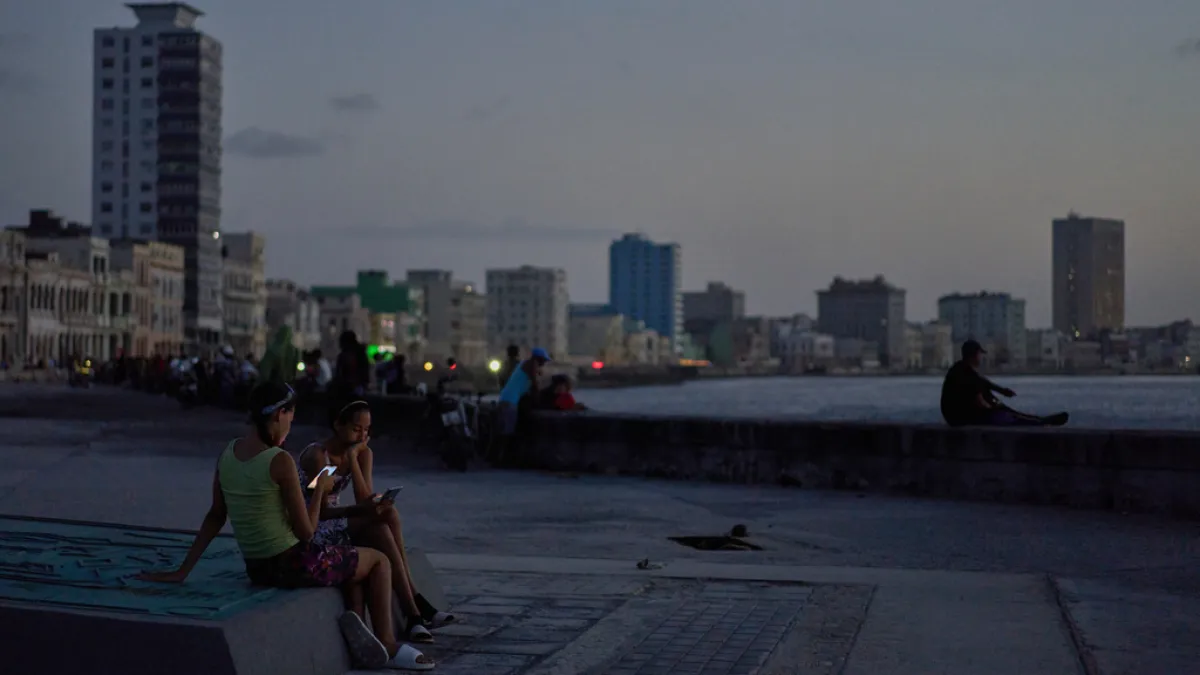
The US State Department has released a 100-page report alleging that the Cuban government is attempting to subvert the United States from within by acting as the ideological “connective tissue” for a global anti-American coalition. Issued by the Trump administration, the document portrays the Caribbean nation as a significant threat to US interests, relying heavily on circumstantial and ideological links rather than evidence of direct operational control.
Led by Secretary of State Marco Rubio, the report argues that Cuba’s communist leadership is driven by an obsession with liberating the Global South from Western colonial influence. It claims this ideology mirrors the interests of the American far left, specifically citing the Democratic Socialists of America (DSA) and the antiwar group Code Pink. While the administration admits the DSA is not a Cuban asset, it asserts the group’s political rise demonstrates a “deep and abiding devotion to the Cuban regime.”
The document singles out specific figures and events to bolster its case, including New York Mayor Zohran Mamdani and the late Black liberation activist Assata Shakur. It notes that Shakur, who was granted asylum in Cuba after fleeing the US, remains influential in progressive circles. The report highlights that Democratic Congresswoman Ayanna Pressley paid tribute to Shakur upon her death in exile last year, and that Mamdani refused to denounce a DSA tribute to Shakur during his 2025 campaign, instead focusing on cost-of-living issues.
Critics have swiftly dismissed the report as McCarthyist rhetoric designed to justify domestic crackdowns on dissent and increased pressure on Havana. Code Pink co-founder Medea Benjamin described the accusations as a “flashback” to the 1950s, stating her organisation would not be intimidated by being labelled communists. Academic experts also pushed back, with Professor Antoni Kapcia describing the report’s use of his work as “complete nonsense” and a misrepresentation of his arguments regarding mid-1960s anti-colonial movements.
The release of the report follows a series of escalating US actions against Cuba, including an order to halt fuel shipments from Venezuela and a criminal indictment against former Cuban leader Raul Castro. Some analysts and activists suggest the document lays the groundwork for potential military intervention or regime change, though others argue that Cuba’s material weakness makes such an outcome unlikely despite the aggressive rhetoric.