Tigray fighting tests Ethiopia’s 2022 peace agreement
Clashes have spread into Afar and Amhara as seven armed groups align against Prime Minister Abiy Ahmed’s government. The African Union is urging a halt and renewed talks.
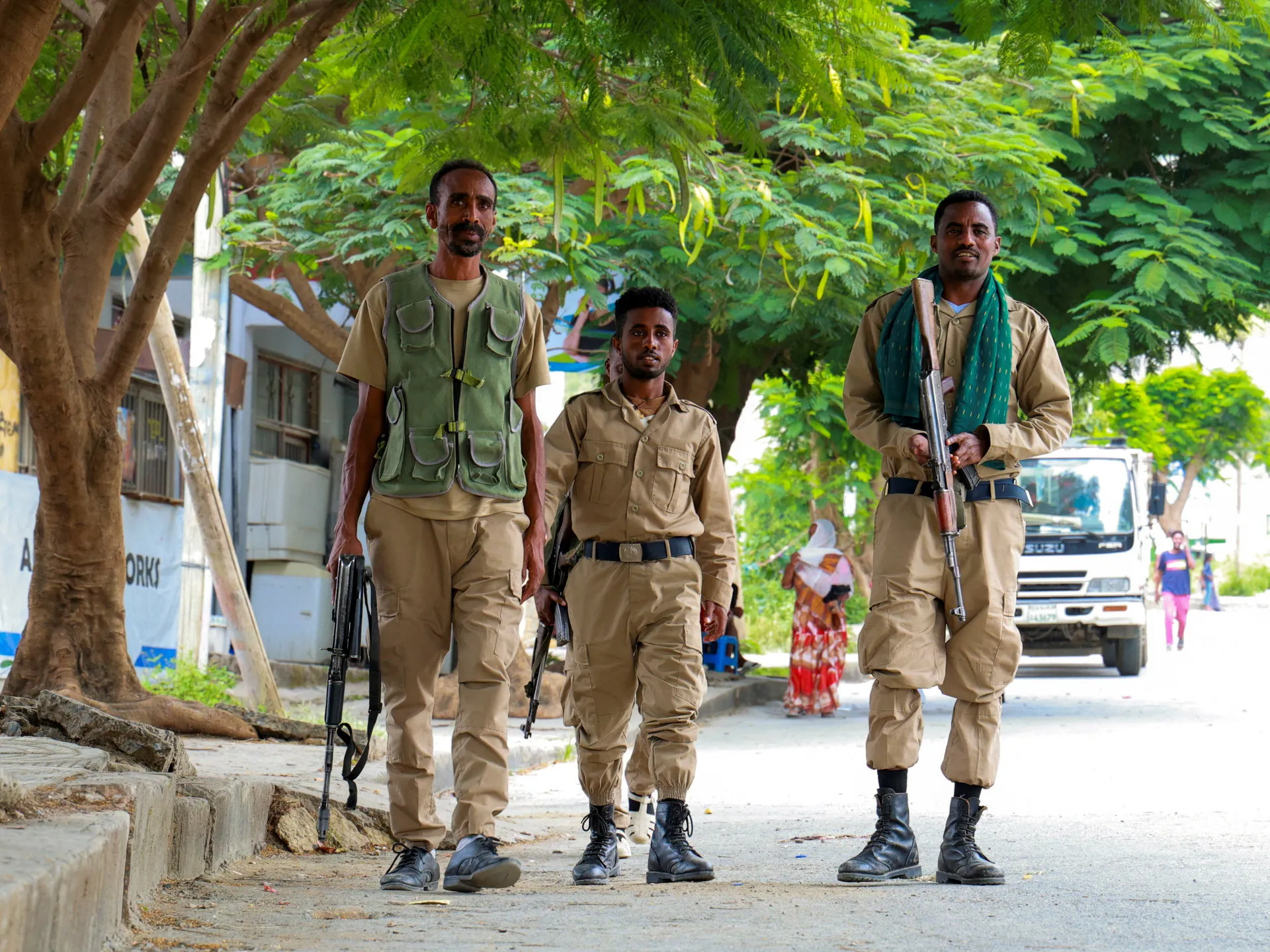
Fighting between Ethiopia’s federal army and forces from Tigray has intensified and spread into Afar and Amhara, raising concern that the November 2022 Pretoria agreement could unravel. Analysts say the conflict has not yet become a full-scale civil war.
The escalation follows the formation of the Ethiopian Peoples’ Forces Alliance for Survival, announced this month by seven armed movements. Its members include the Tigray People’s Liberation Front, the Amhara Fano National Movement and the Oromo Liberation Army, which share a stated aim of removing Abiy’s government.
The alliance brings together groups with different histories and competing interests. Tigrayan and Amhara members, for instance, remain divided over western Tigray, where the return of displaced residents is also unresolved. The agreement ended the full-scale war but left disputes over territory, disarmament and regional autonomy unsettled.
Both sides blame the other for initiating the latest major clashes, and reports of attacks and territorial control are difficult to verify independently. The Ethiopian army’s claim that it killed more than 270 rebel fighters in Amhara has not been independently confirmed. About 750,000 people remained displaced within Tigray from the earlier war before this escalation.
The African Union has called for an immediate halt to fighting and renewed talks under the Pretoria agreement, asking former mediator Olusegun Obasanjo to engage the parties. The East African bloc IGAD has urged neighbouring countries to avoid actions that could worsen the crisis.