Russian AI disinformation campaign targets US Democrats ahead of midterms
AI-generated clips featuring celebrities denouncing the Democratic Party have emerged online, with France 24 attributing the coordinated effort to Russia as the US midterm elections approach.
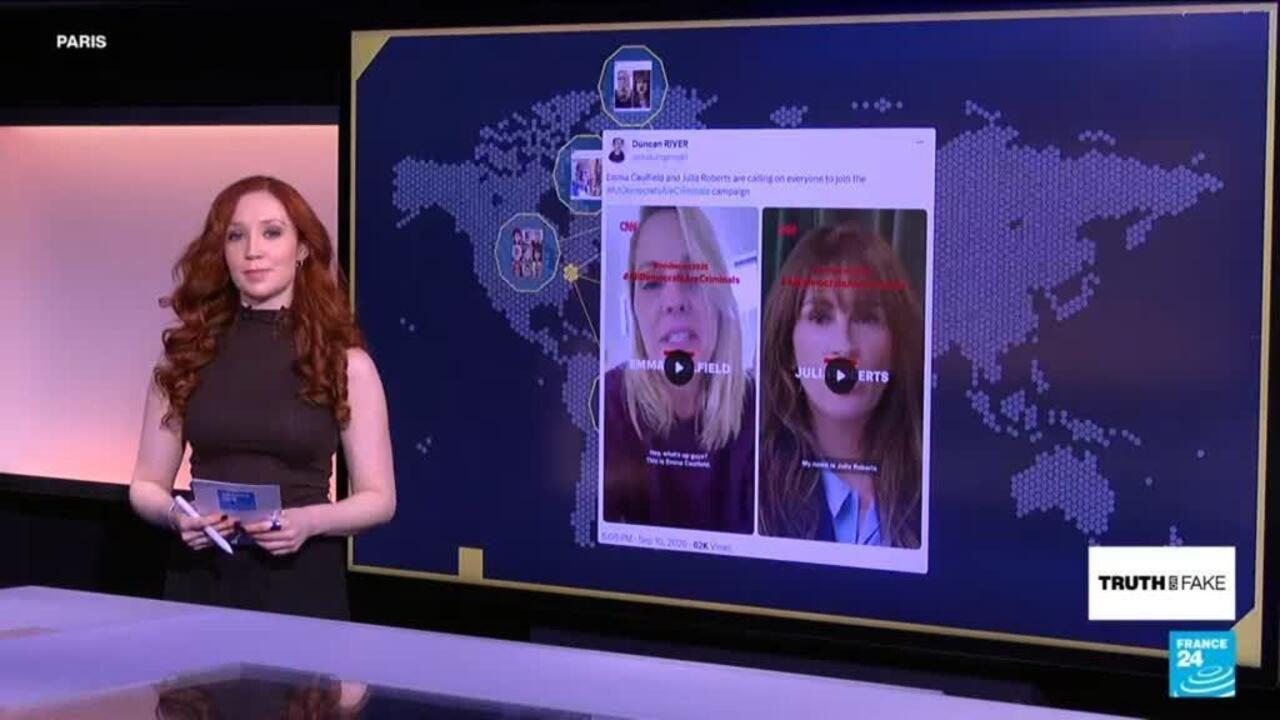
With the United States midterm elections less than two months away, a series of online videos have surfaced that appear to feature prominent celebrities denouncing the Democratic Party. The emergence of these clips has introduced a new variable into the electoral landscape, raising questions about the reliability of digital media in the final stretch of the campaign.
According to reporting by France 24, the videos are not authentic recordings but were generated using artificial intelligence. This technological intervention allows for the creation of convincing yet false visual evidence, a tactic that has become increasingly prevalent in modern political communication.
The campaign is attributed to Russia, suggesting a coordinated disinformation effort aimed specifically at the Democrats. While the specific identities of the celebrities featured in the clips are not detailed in the initial report, the strategic timing of their release indicates a deliberate attempt to influence voter sentiment.
The use of AI in this context highlights the growing challenge of verifying political content. As the election date nears, the distinction between genuine celebrity endorsements and synthetic media becomes increasingly difficult for the average voter to discern without expert analysis.
France 24’s coverage underscores the institutional implications of such campaigns, framing the issue not merely as a media anomaly but as a targeted political operation. The attribution to Russia adds a layer of geopolitical complexity to the domestic US election cycle.
As the midterm elections approach, the focus remains on how these AI-generated narratives will impact the Democratic Party’s standing. The incident serves as a case study in the evolving nature of disinformation, where technology and foreign policy intersect to shape electoral outcomes.