US scales back South Korea drills in bid for talks with Kim Jong Un
Analysts warn the diplomatic overture may not shift Pyongyang’s alignment away from Beijing.
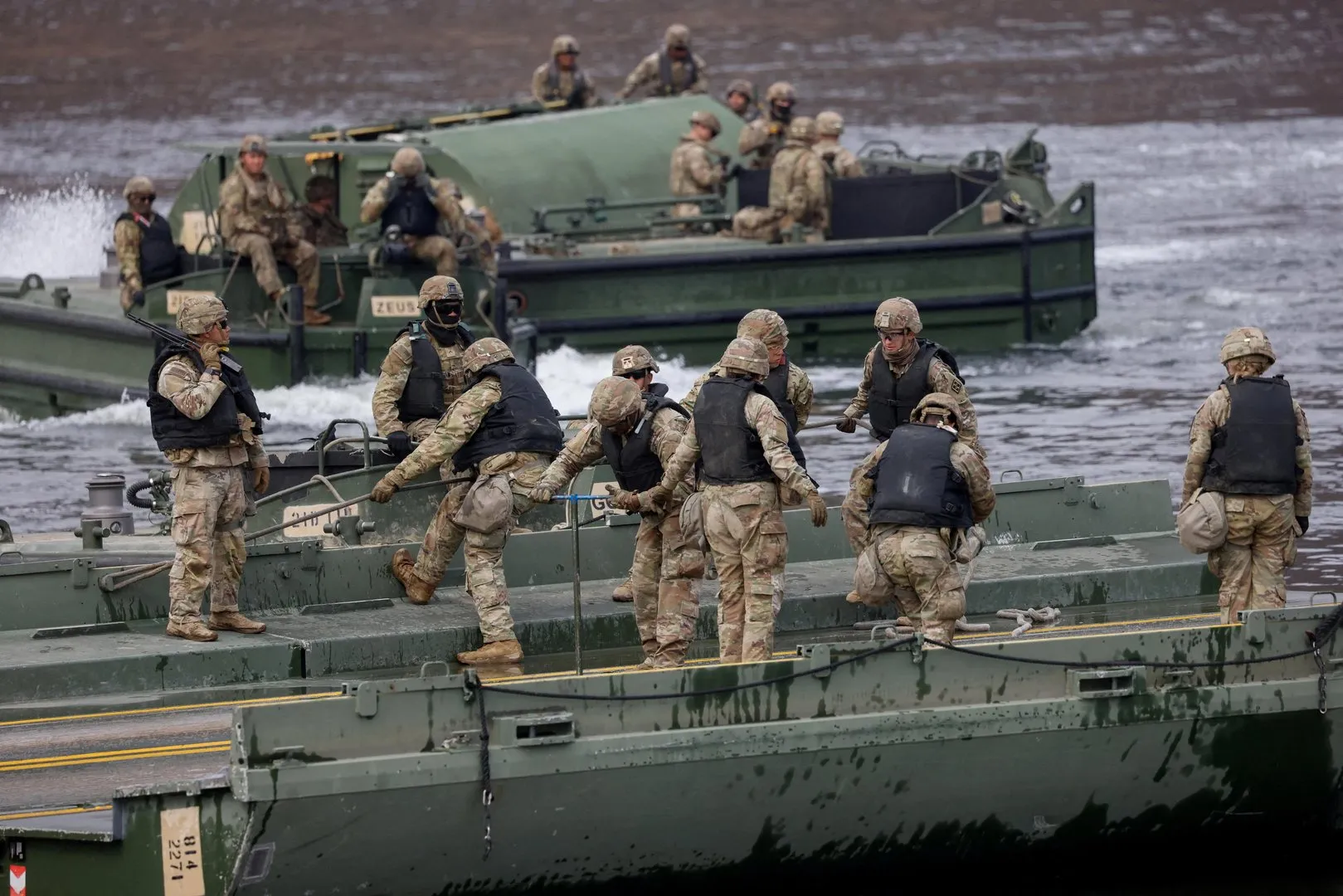
US President Donald Trump has directed the Pentagon to substantially scale back the annual Ulchi Freedom Shield military exercises with South Korea. The move signals a shift in Washington’s approach, aiming to create conditions for renewed diplomatic engagement with North Korean leader Kim Jong Un.
In announcing the reduction, Trump pointed to his personal relationship with Kim as a primary justification for the change in military posture. The President also cited South Korea’s refusal to join the US in its war on Iran as a contributing factor to the decision to curtail the joint drills.
The announcement has prompted a response from South Korea’s presidential office, which has addressed the reduction in the scope of the military exercises. The adjustment to Ulchi Freedom Shield represents a significant departure from standard joint training protocols between the two allies.
Despite the apparent opening for dialogue, the strategic implications remain complex. The move is being closely watched as an attempt to leverage military restraint for diplomatic gain, though the long-term impact on regional security dynamics is yet to be determined.
Analysts suggest that these diplomatic overtures may not succeed in drawing Kim Jong Un away from China. There is uncertainty regarding whether the scaled-back drills will effectively lead to renewed talks, and the strategy’s ability to influence North Korea’s geopolitical alignment remains unproven.