US sanctions on Iran target 60 Chinese entities ahead of Trump-Xi summit
Washington’s new economic measures spare major Chinese banks but hit smaller firms, testing the diplomatic balance before a scheduled September meeting between the US and China.
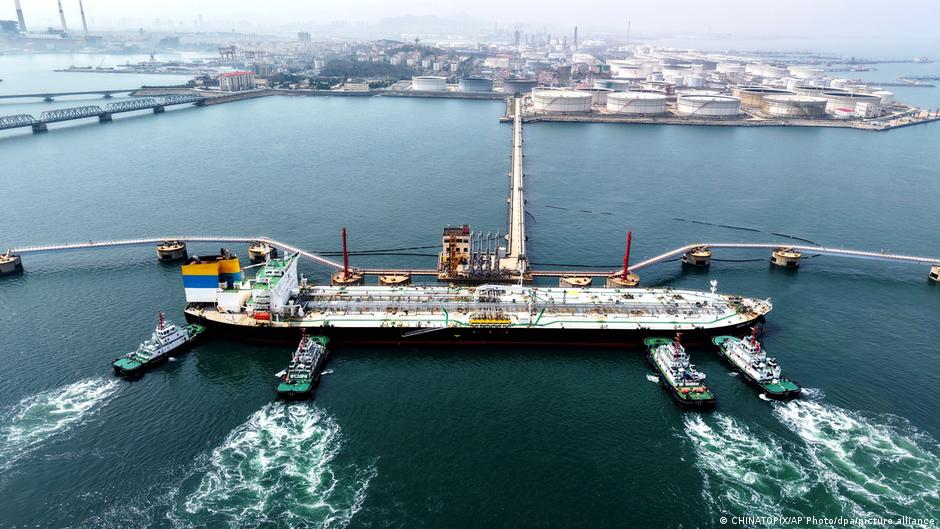
The United States has introduced a new sanctions package targeting 60 smaller entities, individuals, and vessels in mainland China and Hong Kong to disrupt Iran’s nuclear procurement and oil revenue networks. US Treasury Secretary Scott Bessent characterised the move as an "economic D-Day" against Tehran, warning that any economic engagement with the regime would expose those responsible to the full reach of US power.
While the initial package stops short of targeting major Chinese banks, Bessent noted that no entity is above the reach of US sanctions. China, which purchases up to 90% of Iranian oil exports, has pushed back against what it termed "illegal unilateral sanctions." Chinese Foreign Ministry spokesperson Lin Jian stated that cooperation between the two nations has always been conducted within the framework of international law and should not be interfered with.
The diplomatic friction occurs against a backdrop of ongoing US airstrikes on Iranian military assets and Iranian retaliatory strikes on US bases. In May, China’s Commerce Ministry ordered domestic businesses and independent "teapot" refineries to ignore US restrictions targeting specific refineries, a move Bessent previously described as funding the largest state sponsor of terrorism.
With US President Donald Trump and Chinese President Xi Jinping scheduled to meet in Washington on 24 September, Washington is balancing pressure on Tehran with the need to maintain stable relations with Beijing. Analysts suggest that while Iran remains a useful partner for China, it is not irreplaceable, particularly given Beijing’s desire to deepen engagement with Gulf countries such as Saudi Arabia and the UAE.
The sanctions and regional conflict are also expected to be discussed when Iranian President Masoud Pezeshkian attends the Shanghai Cooperation Organization summit in Kyrgyzstan from August 31 to September 1. The SCO focuses on Eurasian security and is part of China’s strategy of creating a multipolar world order to counter global US influence.
Experts indicate that Beijing will likely maintain its baseline engagement with Iran while preparing to defend its economic interests if the US begins targeting Chinese businesses with secondary sanctions. Despite the potential for a collision course over the Iran issue, both nations are focused on paving the way for the highly anticipated summit, with analysts predicting neither side will take drastic action to jeopardise the meeting.