US reviews troop reduction in Germany following diplomatic row with Berlin over Iran strategy
The decision follows a dispute with Chancellor Friedrich Merz regarding the ongoing conflict in Iran, while oil prices surge to a four-year high amid stalled diplomatic talks and a naval blockade.
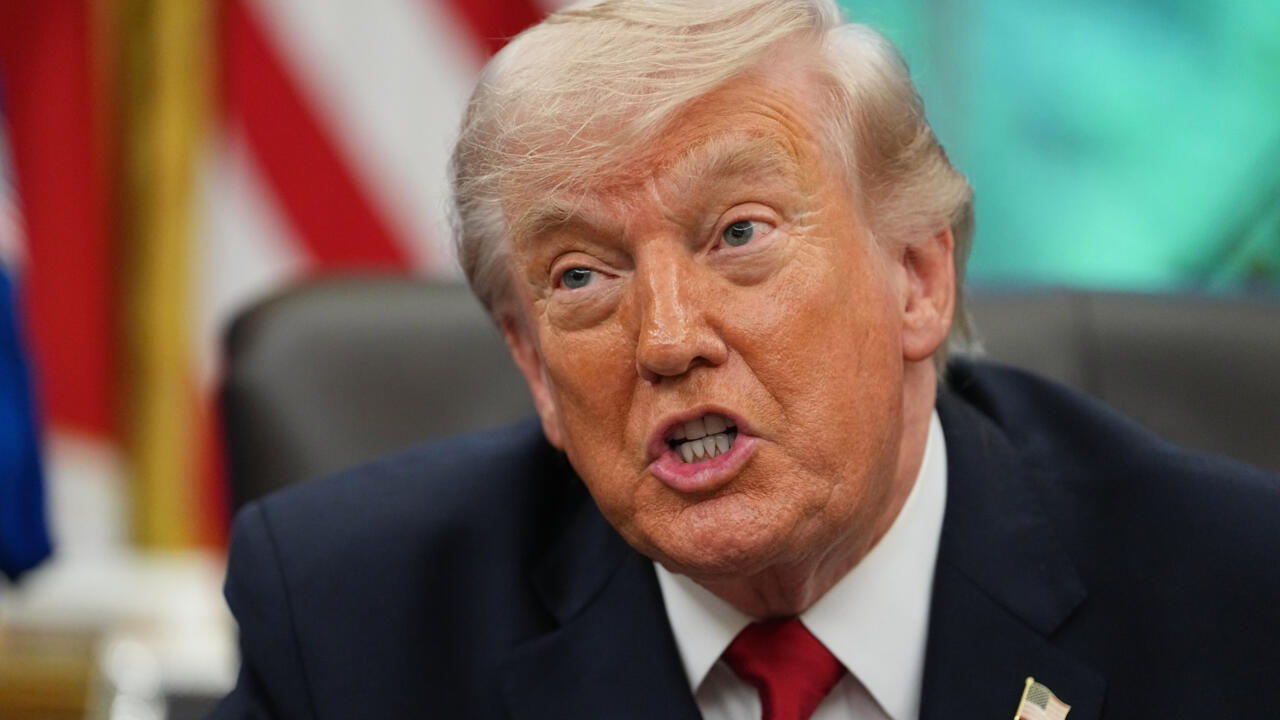
President Donald Trump has announced that the United States is reviewing plans to reduce its military presence in Germany. This potential troop cut emerges from a diplomatic dispute with German Chancellor Friedrich Merz concerning the strategy employed in the war in Iran. Trump stated that a determination on the reduction will be made within a short period of time.
The friction between Washington and Berlin stems from Chancellor Merz's public criticism of the US approach to the conflict. Merz described the current strategy as humiliating for the United States and lacking a clear direction, accusing American officials of being humiliated by Iranian leadership. This tension has been compounded by Trump's repeated dissatisfaction with NATO allies, specifically citing their refusal to assist in the two-month-old war against Iran.
Concurrently, diplomatic talks between the US and Iran have stalled, contributing to an escalation of the conflict. This impasse has led to the imposition of a US naval blockade against Iranian ports, a strategy Trump contends is more effective than bombing and intended to "choke" Iran. He argued during a meeting with oil executives that this approach minimizes the impact on American consumers while applying maximum pressure.
The geopolitical ramifications of the blockade have already impacted global markets, with oil prices surging to their highest level in more than four years. Brent crude futures rose significantly as concerns mounted that supply bottlenecks would persist for an extended duration. Trump has publicly threatened that the naval blockade could last for months, a move that has drawn warnings from Russian President Vladimir Putin regarding the damaging consequences of expanded hostilities.
President Trump is scheduled to receive a briefing on Thursday from US Central Command leader Brad Cooper regarding new plans for potential military action in Iran. This upcoming briefing coincides with the review of troop numbers in Germany, highlighting the interconnected nature of the strategic decisions being made in the region. The exact number of troops potentially to be cut remains unspecified, as does the precise timeline for the final decision.
The potential reduction of troops in Germany marks a significant strain on transatlantic relations, as the nation is a key NATO ally and host to significant US military assets. As the review proceeds, the efficacy and duration of the proposed naval blockade remain untested and are subject to various geopolitical variables, including Russian warnings and Iranian resistance.