US rejects Iran's reply to peace plan as 'totally unacceptable'
While a February ceasefire has largely held, the US 14-point memorandum faces rejection from Tehran, prompting renewed military posturing and a coalition of 40 nations to discuss safeguarding shipping routes.
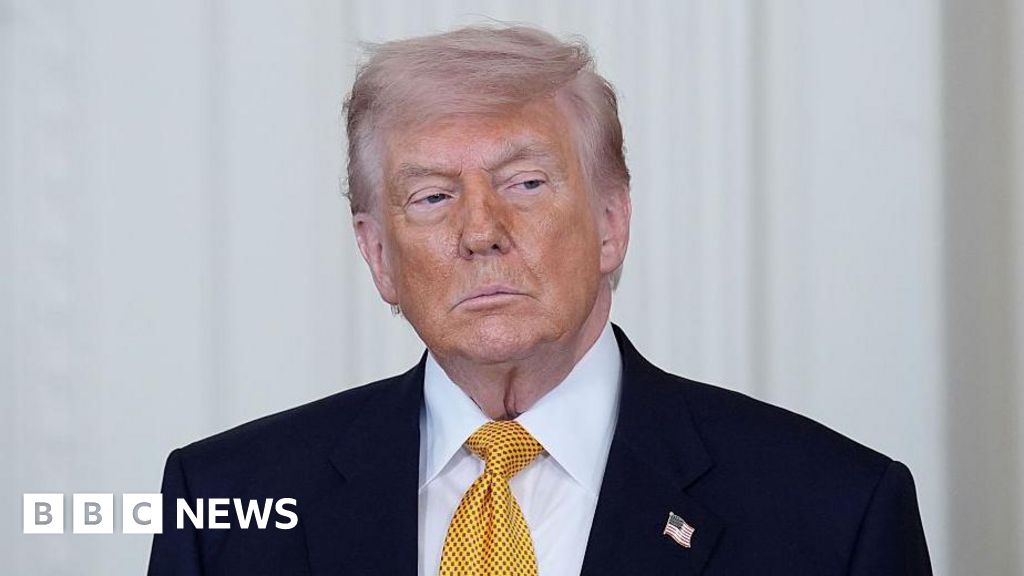
President Donald Trump has categorically dismissed Iran's response to a US peace proposal as "totally unacceptable", halting momentum in negotiations mediated by Pakistan. Despite the February ceasefire remaining largely intact, the diplomatic impasse persists because neither Washington nor Tehran has released the full text of the 14-point memorandum or the specific details of the Iranian reply.
The core of the disagreement centres on divergent red lines regarding nuclear capabilities and the definition of victory. Israeli Prime Minister Benjamin Netanyahu has insisted that the war cannot be considered over until Iran's stockpiles of enriched uranium are removed and enrichment sites are dismantled. Conversely, Iranian President Masoud Pezeshkian has stated that dialogue does not equate to surrender, warning that any agreement must prioritise ending the war and ensuring maritime security in the Gulf.
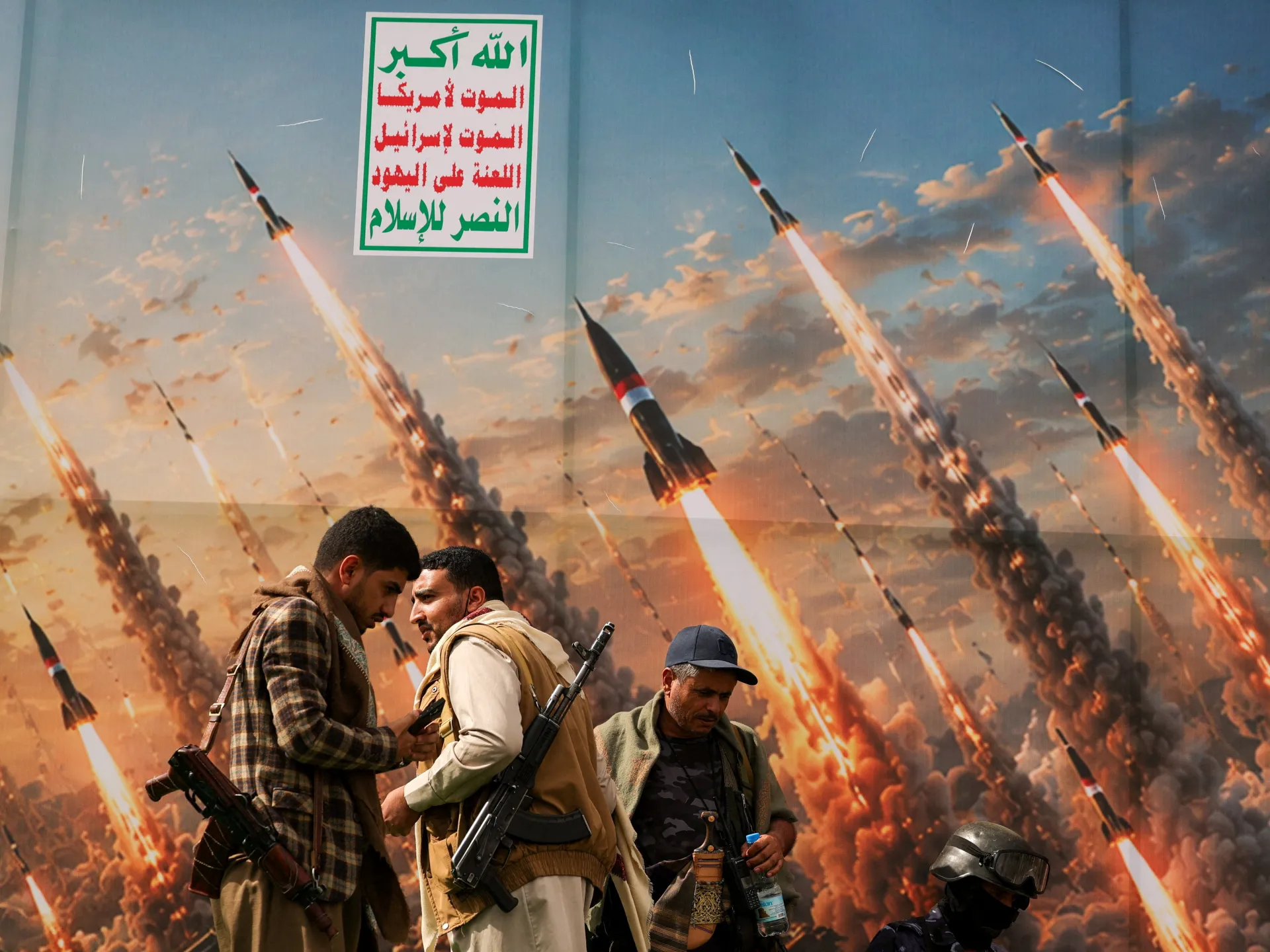
Tensions have escalated alongside these diplomatic failures, with Tehran threatening severe consequences for vessels passing through the Strait of Hormuz that do not co-operate with Tehran. In response to US pressure and potential Western naval deployments, Iran has recently attacked a US-flagged bulk carrier near Qatar and intercepted drones over Kuwait and the United Arab Emirates.
In an effort to stabilise the region, defence ministers from more than 40 nations are convening to discuss UK-led plans for safeguarding shipping once hostilities cease. The UK Royal Navy is deploying a warship to the region to join an international mission, though French President Emmanuel Macron has clarified that France envisages a security mission coordinated with Iran rather than a direct naval deployment.
The proposed US plan reportedly seeks a suspension of nuclear enrichment, the lifting of sanctions, and the restoration of free transit through the Strait of Hormuz. However, the US has been enforcing a blockade of Iranian ports to exert pressure on Tehran, a move that has infuriated Iran and contributed to rising global oil prices, with petrol costs in the US now averaging over $4.50 per gallon.
As the situation remains volatile, the focus shifts to the upcoming meeting of coalition partners who aim to outline how they might police maritime traffic. Until the conflicting demands regarding nuclear stockpiles and maritime control are reconciled, the path to a comprehensive resolution remains obstructed by mutual distrust and strategic inflexibility.