US reinstates 25 per cent tariffs on EU automobiles citing military non-compliance
The move threatens luxury imports from German and Italian manufacturers, with industry analysts warning the financial burden will fall directly on consumers rather than being absorbed by corporations
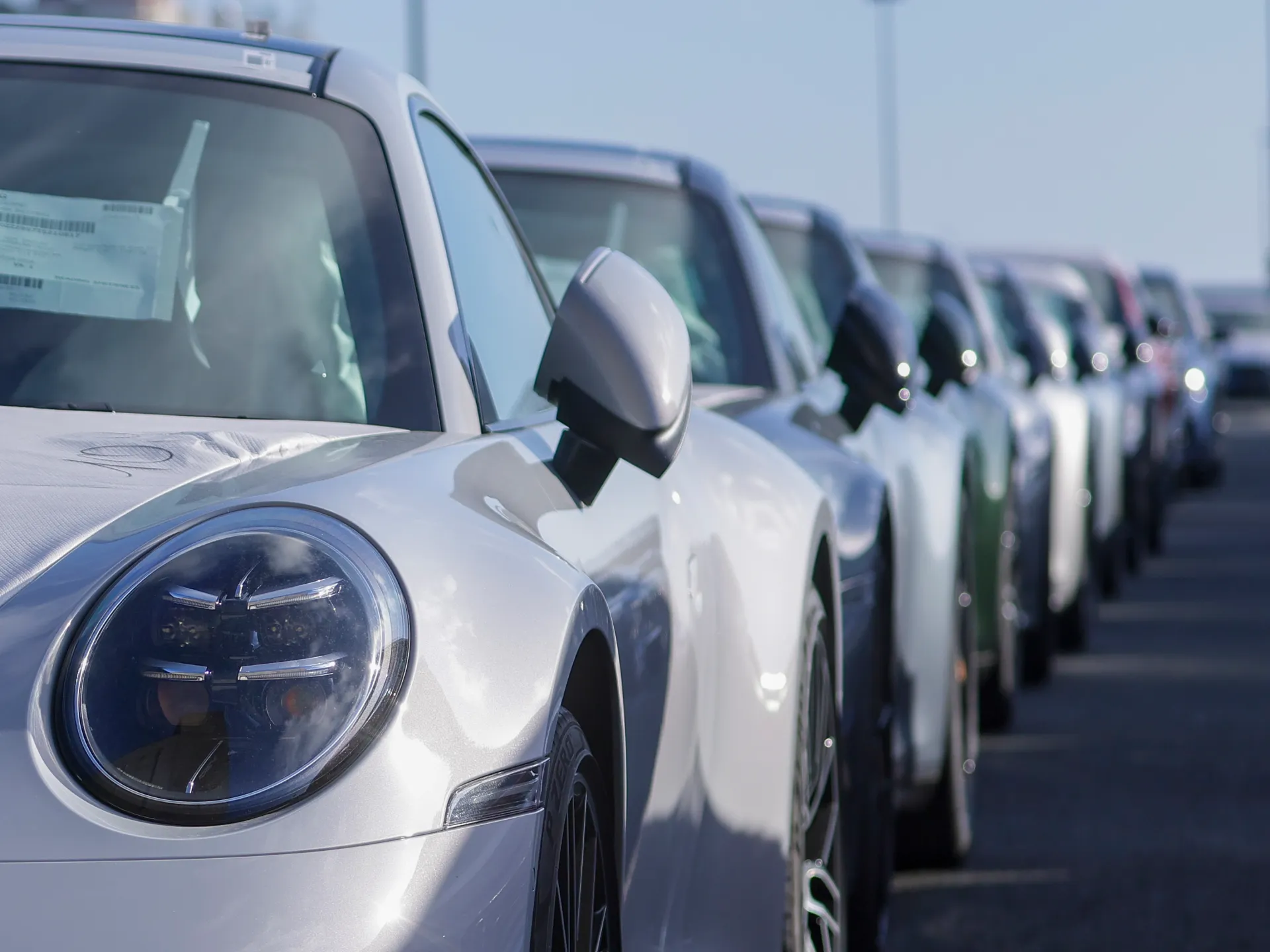
The United States has confirmed it will proceed with imposing 25 per cent tariffs on European Union automobiles, effectively overturning a deal struck in August that had lowered the rate to 15 per cent. US Trade Representative Jamieson Greer stated that the White House is moving forward with the action, asserting that the European bloc failed to meet the conditions of the agreement.
The justification for this policy shift rests on the administration's claim that several European countries declined to deploy military assets to assist the US Navy in securing the Strait of Hormuz. While US officials frame this as a breach of the trade accord, the assertion has been rejected by EU officials, who view the military requirement as a negotiating tactic rather than a genuine trade obligation.
The immediate impact of the reinstated tariffs is expected to be most severe for luxury and high-end vehicle imports. Models such as the Mercedes-Benz S-Class, BMW 3 Series and 4 Series, and all vehicles from Porsche, Audi, Ferrari, and Lamborghini are primarily imported as finished goods from Europe. Unlike mid-range vehicles where some assembly occurs within the US under USMCA rules, these premium sedans and sports cars remain fully exposed to the new levies.
Although major German automakers including BMW, Mercedes-Benz, and Volkswagen maintain significant manufacturing footprints in states like Tennessee, Alabama, and South Carolina, these facilities do not produce the specific luxury sedans targeted by the policy. Consequently, the tariff burden is unlikely to be mitigated by domestic production and will instead be passed directly to consumers purchasing these imported models.
Industry analysts suggest that while corporations may absorb some costs in other sectors, the nature of these luxury imports means the financial hit will fall on households. This follows a broader trend where recent tariff initiatives have cost US families an average of $1,000 annually, though recent analysis suggests this figure may drop to $700 following a Supreme Court ruling limiting the use of the International Emergency Economic Powers Act.
The decision comes as geopolitical tensions rise, with the White House recently announcing plans to withdraw 5,000 troops from Germany. Chancellor Friedrich Merz has linked this military drawdown to the perceived humiliation of the trade negotiations with Iran, adding a layer of complexity to the already strained diplomatic relationship between Washington and Berlin.