US regulators widen probe into GM brake failures affecting 1.1 million vehicles
The National Highway Traffic Safety Administration has expanded its investigation into the eBoost brake-by-wire system, following hundreds of reports of braking issues across General Motors, Honda, and Acura models.
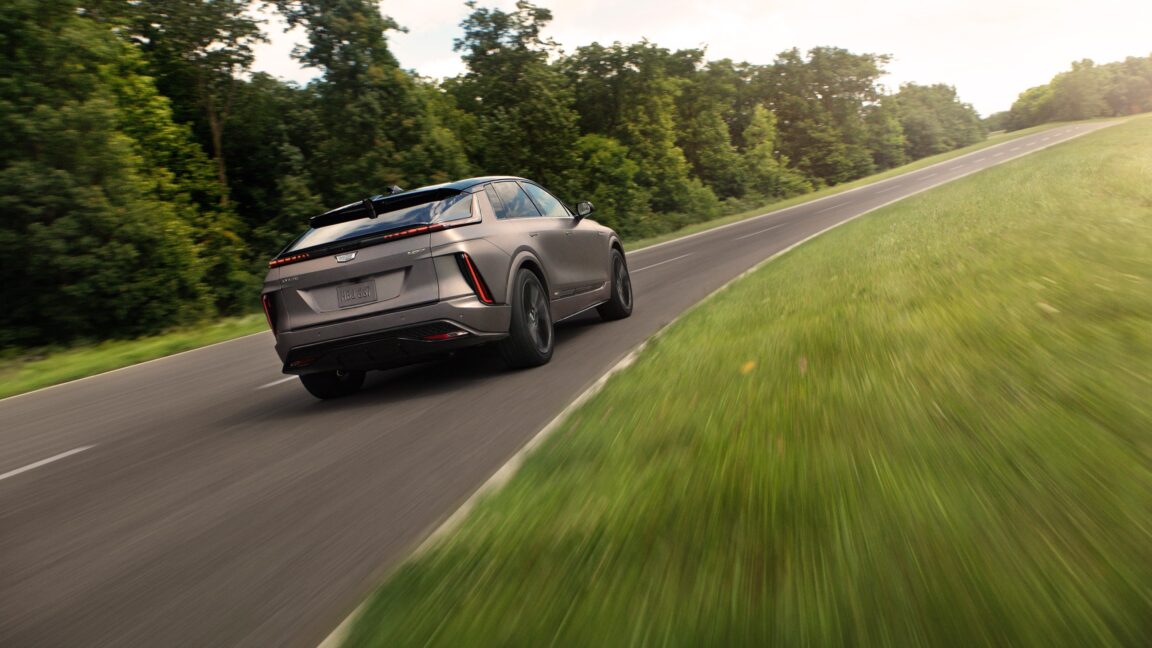
The US federal government has expanded its safety investigation into General Motors vehicles after receiving hundreds of reports regarding brake failures. The probe centres on the eBoost brake-by-wire system, which is alleged to suffer spindle fractures while in motion, potentially leading to a loss of braking capability.
The issue affects more than 1.1 million vehicles, including a significant portion of GM’s electric vehicle lineup as well as models manufactured for Honda and Acura. The National Highway Traffic Safety Administration (NHTSA) has logged 227 incident reports, a figure that rises to 745 when including reports made directly to the automaker.
General Motors maintains that in the event of a spindle fracture, critical safety features such as antilock brakes, traction control, and stability control should remain active until the vehicle comes to a complete stop. However, NHTSA’s Office of Defects Investigation has received numerous reports contradicting this behaviour, alleging that eBoost failures are followed by an immediate loss of braking.
Of the reported incidents, 22 resulted in crashes. Six people were injured in five of those crashes, with no fatalities reported to date. The specific models identified by NHTSA include the 2023 to 2026 model year Cadillac Lyriq, Chevrolet Colorado, and GMC Canyon.
The investigation also covers the 2024 to 2026 model year Buick Enclave, Envision, Chevrolet Blazer EV, Equinox EV, Traverse, Cruise Origin, and GMC Acadia. Additionally, the 2025 to 2026 model year Cadillac Celestiq and Optiq are included in the scope of the probe.
NHTSA is also aware that the 2024 to 2026 model year Acura ZDX and Honda Prologue were built with the eBoost system. The expansion of the investigation highlights growing scrutiny over the reliability of electronic braking systems in modern vehicles.