US regulators probe Andreessen Horowitz over board seat conflicts
The Justice Department’s inquiry into Andreessen Horowitz under the Clayton Act has surprised industry veterans, who argue that board overlaps are an inevitable byproduct of large portfolio management.
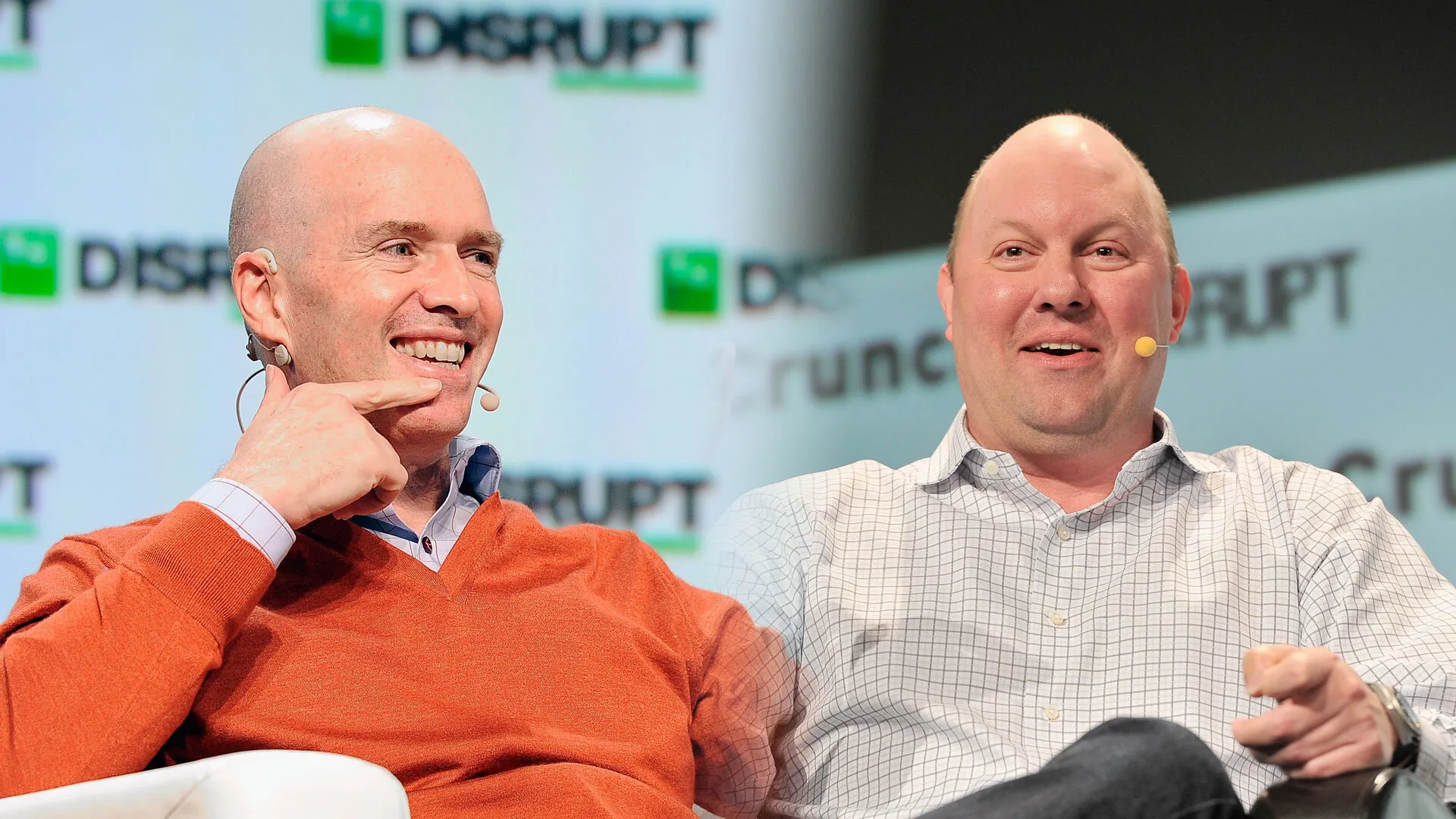
The United States Department of Justice has launched an investigation into Andreessen Horowitz, focusing on the venture capital firm’s board representation at two competing portfolio companies, Databricks and Fivetran. According to Bloomberg, the probe, which has been underway for nearly a year, examines whether the firm’s partners have breached potential conflicts of interest under Section 8 of the Clayton Act.
The investigation centres on the board seats held by Ben Horowitz, co-founder of Andreessen Horowitz, at Databricks, and Martin Casado, a partner at the firm, at Fivetran. While the two companies were not direct rivals when the venture capital firm initially invested in them, their business models have increasingly converged. Databricks, valued at $190 billion, has expanded its Lakeflow product into AI data pipelines and application connectors, a core area of Fivetran’s operations. Fivetran also recently combined with dbt Labs in June.
Section 8 of the Clayton Act, a 112-year-old antitrust statute, prohibits individuals or entities from serving on the boards of competing companies. Regulators have rarely applied this rule to venture capital firms, making the current scrutiny a notable development for the industry. Holding a board position creates a significantly higher conflict of interest than non-board investment, as directors have access to sensitive strategic information that could disadvantage one company in favour of another.
Despite the regulatory focus, several venture capitalists expressed surprise at the probe, viewing such overlaps as an inevitable consequence of managing large portfolios. As portfolio companies pivot or expand into new markets, competition between backed firms is common. This trend has become increasingly accepted in recent years, evidenced by major venture firms funding both Anthropic and OpenAI. However, the distinction between passive investment and active board governance remains a critical point of contention.
To mitigate the conflict, Andreessen Horowitz could institute a Chinese wall between Horowitz and Casado, preventing the sharing of confidential information between the two partners. Alternatively, the firm could have one partner step down from a board. The outcome of this investigation may have broader implications for the venture capital sector, as founders may place less value on board commitments from top-tier investors if those seats carry the risk of future regulatory conflicts. Andreessen Horowitz, Databricks, and the DOJ declined to comment on the matter.