US regulator examines Tesla Cybercab compliance with vehicle safety rules
The National Highway Traffic Safety Administration is reviewing Tesla’s basis for deploying the driverless vehicle without a federal exemption.
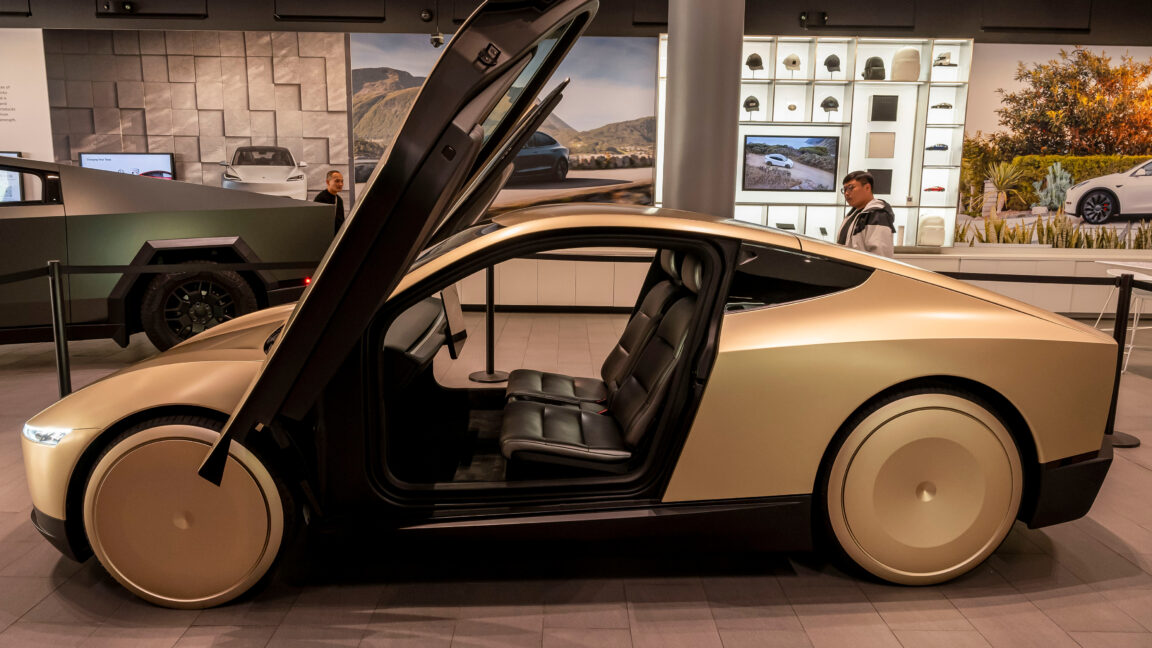
The US National Highway Traffic Safety Administration is investigating whether Tesla’s driverless Cybercab complies with existing federal vehicle safety standards, after public rides began through Tesla’s Robotaxi network in Texas and Florida.
The investigation, known as an “Audit Query”, will examine the data and process Tesla used to determine that the vehicle meets federal requirements. The Cybercab has no steering wheel or brake pedals.
Tesla says it does not need a federal exemption because its vehicles comply with existing safety standards. NHTSA is separately reviewing eight standards, including requirements covering brake pedals, windscreen wipers and rear-view mirrors, to support the deployment of driverless vehicles.
The regulator’s review follows an exemption granted to Amazon subsidiary Zoox for vehicles without steering wheels or manual controls. That exemption is capped at 2,500 vehicles in 2026.
NHTSA can require changes to a vehicle or a manufacturer’s process and can pursue enforcement action, including civil penalties. The available material does not indicate whether the agency has found a violation or when the investigation will conclude.
A Texas state database lists 45 Cybercabs in Tesla’s fleet. Tesla has indicated ambitions to deploy millions of the vehicles annually, although that target has not been achieved.