US regulator escalates probe into GM electric vehicle brake failures
The National Highway Traffic Safety Administration has upgraded its investigation into General Motors’ eBoost braking system to an engineering analysis, a step often preceding a mandated recall.
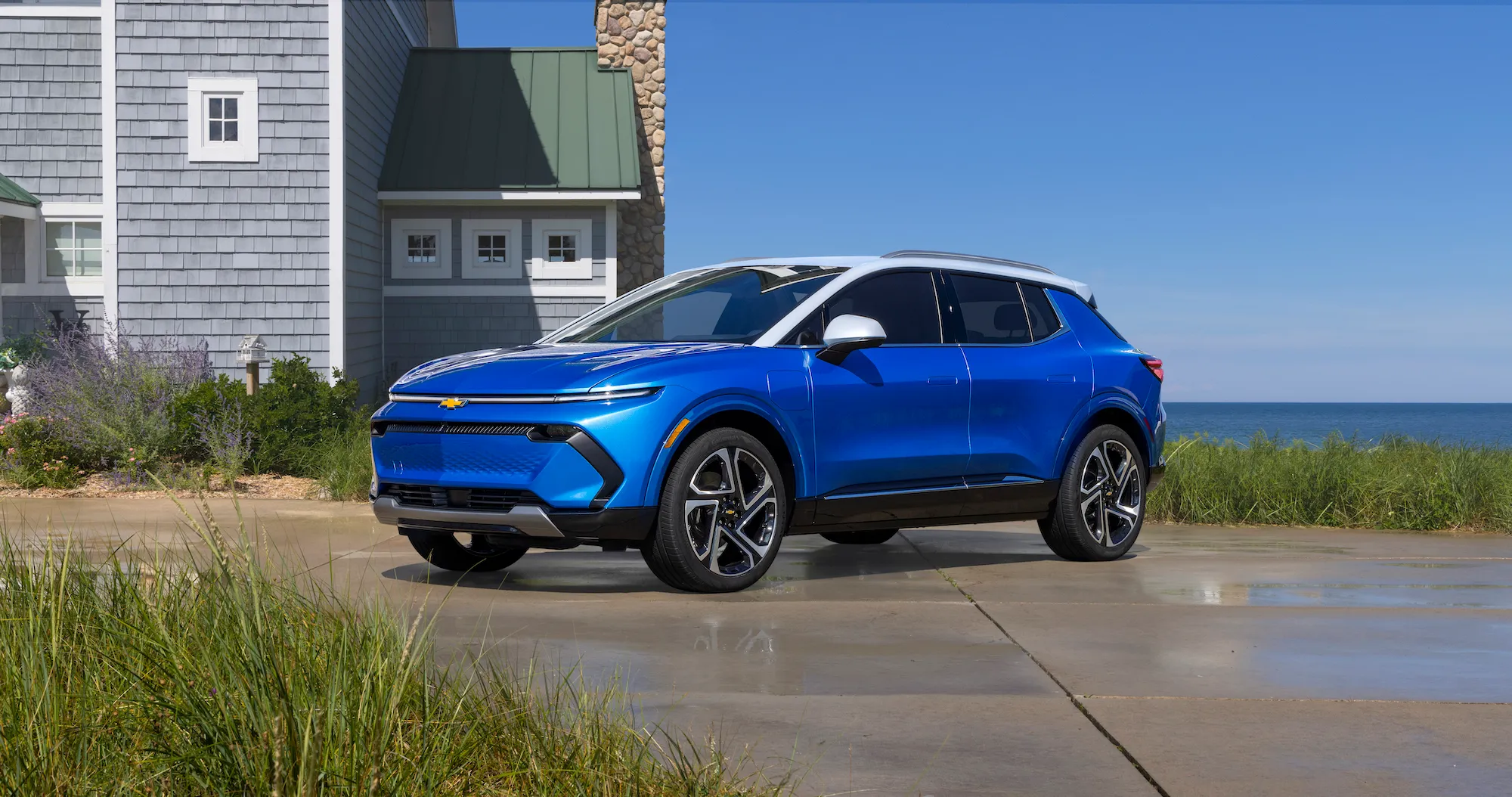
The National Highway Traffic Safety Administration (NHTSA) has escalated its scrutiny of General Motors electric vehicles, upgrading its investigation into brake defects to an “engineering analysis.” This represents the highest level of oversight conducted by the agency’s Office of Defects Investigation (ODI) and is frequently a precursor to a mandated recall. The decision follows hundreds of reported incidents, more than 20 crashes or fires, and at least six injuries involving models such as the Cadillac Lyriq, Blazer EV, and Honda Prologue.
The probe now encompasses more than one million vehicles, extending beyond electric models to include non-EV variants such as the Chevy Colorado, GMC Canyon, Buick Enclave, and Buick Envision. The defects are linked to GM’s eBoost brake-by-wire system, introduced in 2019, which replaces the traditional mechanical link between the brake pedal and the braking mechanism with an electronic one. While GM initially attributed the issues to fractures in the eBoost spindle, new evidence suggests a more complex failure mode.
ODI stated that recent reports describe an “immediate loss of brake assist” while the vehicle is in motion, a symptom the regulator deems inconsistent with GM’s earlier diagnosis of spindle fractures. The agency noted that this sudden loss of assistance could result in extended braking distances, thereby increasing the risk of crash or injury. GM had previously conducted several internal investigations following complaints from 2023 model year Cadillac Lyriq owners, but the regulator believes further analysis of the eBoost system’s potential for failure is required.
The investigation was originally opened in April 2024 after NHTSA received reports of “Brake System Failure” messages from vehicle owners. The eBoost system is deployed across GM’s popular electric lineup, including the Equinox EV and the Acura ZDX, as well as the Honda Prologue produced in a joint venture. The system was also featured in the Cruise Origin, the purpose-built autonomous vehicle that GM abandoned in 2024.
Specific crash reports underscore the severity of the issue. In one incident, the driver of a 2025 Cadillac Lyriq reported losing brakes while attempting to park, causing the vehicle to crash through a store front and come to rest amidst the furniture. In another case, the driver of a 2024 Blazer EV stated they had to deliberately steer the vehicle into a concrete curb to slow it down and avoid a catastrophic intersection collision.
The escalation highlights the regulatory risks associated with new automotive technologies, particularly as automakers shift from mechanical to electronic systems. For investors and institutions, the potential for a broad recall affecting over one million units could have significant implications for GM’s operational costs and brand perception in the electric vehicle market.