US proposes up to 12.5 per cent tariffs on 60 economies over forced labour claims
The Office of the United States Trade Representative has outlined new duties, with EU and Asian nations rejecting the assertions as unjustified ahead of a July hearing.
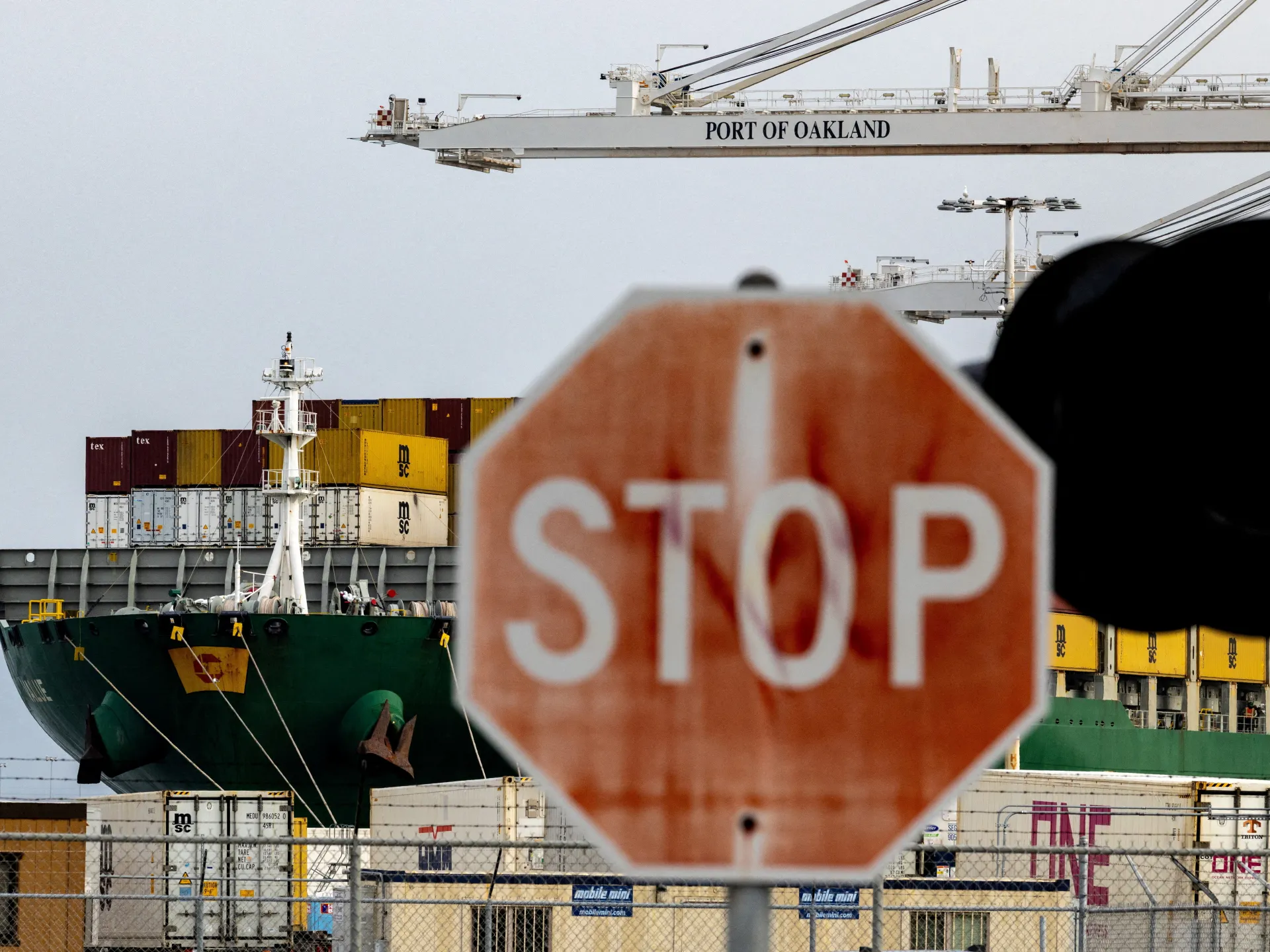
The US administration has proposed new tariffs of up to 12.5 per cent on imports from 60 economies, alleging that these nations have failed to adequately curb trade in goods made with forced labour. The proposal, issued by the Office of the United States Trade Representative (USTR), stems from a Section 301 unfair trade practices investigation designed to rebuild emergency tariffs that were struck down by the US Supreme Court in February.
Under the proposed framework, a 10 per cent additional duty would apply to imports from Canada, the European Union, Britain, Mexico, Indonesia, Taiwan, and several other jurisdictions where the USTR determined plans or partial schemes were already in place. The remaining 45 countries, including China, India, Japan, South Korea, Vietnam, Australia, and New Zealand, face a higher rate of 12.5 per cent. US Trade Representative Jamieson Greer stated that the failure of trading partners to address the importation of such goods created an unlevel playing field for American workers.
Trading partners have largely rejected the assertions. EU officials described the findings as “utterly absurd,” arguing that the region’s 2024 law banning forced labour imports renders the US accusations baseless. The European Commission reiterated its commitment to a trade deal sealed with Washington last year, which agreed to 15 per cent tariffs on a broad range of EU exports. However, the USTR report claimed that EU anti-forced labour measures would not come into force until December 2027 and lacked key elements.
The announcement precedes the July 24 expiration of a 10 per cent temporary tariff imposed under the International Emergency Economic Powers Act, which was also struck down by the Supreme Court. A specialised trade court ruled last month that these stopgap levies were illegal, although the government may continue collecting them while the case proceeds. The USTR has set a public comment deadline of July 6, with a hearing scheduled for July 7.
Proposed exemptions include energy, rare earths, pharmaceuticals, beef, coffee, certain fruits and vegetables, and aircraft parts. The USTR also outlined a textile mechanism allowing a certain volume of apparel and textile imports to enter at a reduced tariff rate, though details were not provided. Mexico stated that goods compliant under the United States-Mexico-Canada Agreement would be exempt, while Taiwan expressed confidence that final results would reflect previously agreed preferential treatment.
International business leaders have raised concerns about the potential for these measures to become a global template for supply chain scrutiny. Andrew Wilson of the International Chamber of Commerce noted that the extensive list of exemptions suggested sensitivities over the cost-of-living impact on food and other goods with known forced labour risks. Beijing and New Delhi both opposed the unilateral tariffs, with India noting it was engaged in the proceedings and that the proposed duties were not final.