US proposes 'Project Freedom' amid Strait of Hormuz shipping crisis
Daily vessel traffic has plummeted to seven ships as Iran and the US enforce opposing restrictions, leaving thousands of crew members stranded and insurers pulling out of the region
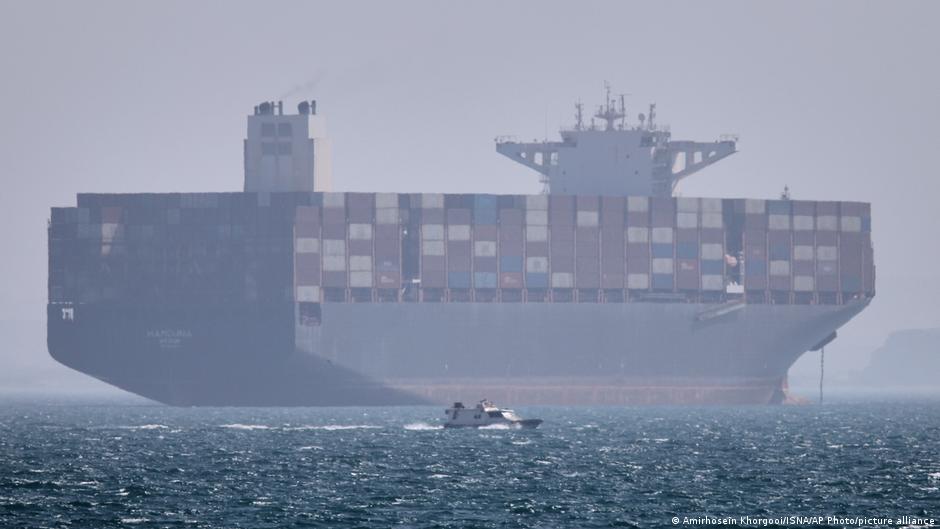
The Trump administration has outlined a new initiative known as 'Project Freedom' to address the severe congestion in the Strait of Hormuz. According to the US Central Command, the plan involves deploying more than 100 land and sea-based aircraft alongside 15,000 service members. The stated objective is to coordinate efforts to assist commercial vessels in navigating the waterway safely.
Crucially, the proposal does not include the US Navy providing direct naval escorts for ships passing through the strait. This distinction marks a significant departure from previous security arrangements, relying instead on air and ground coordination to manage the flow of traffic in a region currently defined by active hostilities.
The operational environment remains highly constrained by a dual blockade imposed by both Tehran and Washington. Since late February, Iranian authorities have required all vessels to coordinate with their government and pay a toll of one US dollar per barrel transported. Concurrently, the US has enforced a blockade since April 13 that specifically targets ships attempting to enter or leave Iranian ports.
These combined measures have precipitated a dramatic collapse in maritime activity. Data from commodities analyst Kpler indicates that daily traffic through the strait has fallen from a pre-conflict average of 125 to 140 vessels to just seven ships as of April 30. The Lloyd's Market Association reports that approximately 1,000 ships are currently affected by these restrictions, leaving around 20,000 crew members stranded at sea.
The financial ramifications for the shipping industry have been immediate and severe. Major marine insurers, including Gard, Skuld, NorthStandard, the London P&I Club, the American Club, and MS&AD Insurance, have suspended war-risk coverage or ceased offering new policies for the region since March 5. Lloyd's Market Association has noted that the US government did not consult the industry prior to implementing the current blockade measures, complicating efforts to safely extract stranded vessels.
The strategic importance of the strait cannot be overstated, as it serves as a critical chokepoint for global energy supplies. In 2024, an average of 20 million barrels of crude oil passed through daily, representing nearly 20 per cent of global consumption. While some nations like Saudi Arabia and the UAE have alternative routes, countries such as Iraq, Kuwait, Qatar, and Bahrain lack viable alternatives and remain heavily dependent on this narrow waterway.
Historical precedents suggest that such disruptions can have lasting economic impacts, though the current situation presents unique challenges. During the 1987 Tanker War, the US registered Kuwaiti tankers under its flag to protect them from attacks by both Iran and Iraq. Today, the international shipping association BIMCO has urged all parties to show restraint, emphasising that a stable ceasefire and assurances of safety are prerequisites for resuming normal transits.