US President Trump reviews Iran's 14-point peace plan amid warnings of resumed air strikes
The administration is examining a framework that demands the lifting of the naval blockade and war reparations, though technical obstacles and timeline disputes persist
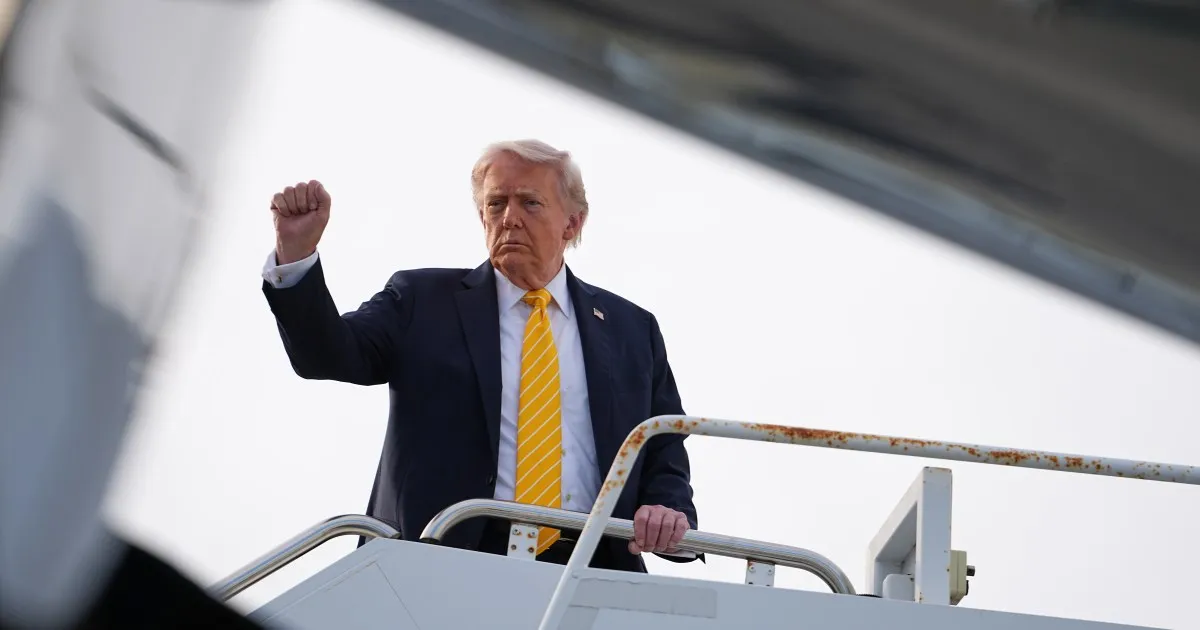
US President Donald Trump has confirmed he is currently reviewing a 14-point peace proposal submitted by Iran to end the ongoing conflict. Speaking to reporters in Florida before departing on Air Force One, the President stated he had been briefed on the concept of the deal and is now assessing the plan. This diplomatic engagement occurs against a backdrop of a fragile truce that has paused hostilities since a ceasefire was announced on 7 April.
Despite the apparent willingness to examine the offer, the White House has simultaneously warned that air strikes could resume if Tehran misbehaves. When asked about the possibility of renewed hostilities, the President noted that if Iran does something bad, there is a possibility it could happen. This stance reflects a continued emphasis on leverage, with the administration claiming the United States is doing very well while suggesting Iran is desperate for a settlement due to the impact of the conflict and the naval blockade.
The core of the Iranian proposal reportedly includes the lifting of the US naval blockade, the payment of war reparations, and the release of frozen assets. The plan also seeks a 30-day window to finalise terms, a timeline that contrasts with Washington's preference for a longer transition period. On Truth Social, the President expressed difficulty imagining the proposal would be acceptable, stating that Iran had not yet paid a big enough price for actions over the last 47 years.
Tensions remain high following the President's characterisation of the naval blockade as a very profitable business. Tehran's Ministry of Foreign Affairs condemned these remarks as a damning admission of piracy. The impasse is further complicated by technical obstacles to reopening the Strait of Hormuz, specifically the presence of Iranian sea mines, which pose significant challenges to the resumption of normal maritime traffic.
Military readiness remains elevated despite the pause in fighting. The Islamic Revolutionary Guard Corps confirmed it remains on full standby for a return to hostilities, citing the US lack of commitment to previous treaties. This posture underscores the fragility of the current situation, where diplomatic overtures are weighed against the constant threat of renewed military engagement.
The diplomatic push comes at a time of shifting alliances, with a growing rift with NATO allies following the President's decision to withdraw 5,000 US troops from Germany. Concurrently, King Charles' state visit to the United States is proceeding as planned despite a recent shooting at a White House dinner, aiming to strengthen US-UK relations even as differences over the Iran war persist.