US President Trump rejects Iran's diplomatic overture as regional tensions escalate
The White House's categorical refusal of Iran's response to a peace initiative has reignited concerns over the Israel-Iran standoff, driving a surge in global oil prices amid fresh warnings from Israeli leadership.
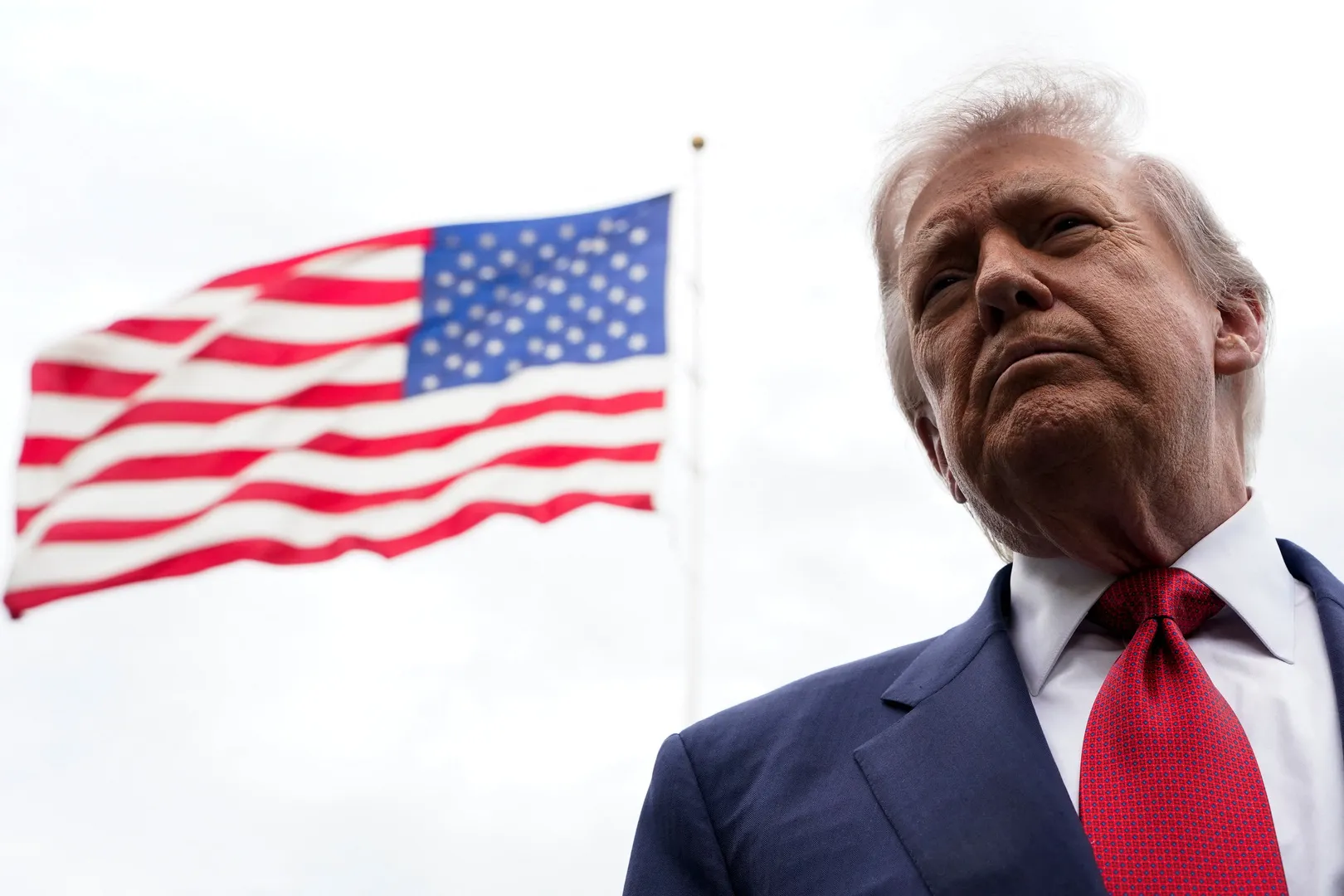
US President Donald Trump has categorically rejected a peace proposal presented by Iran, describing Tehran's counter-offer as totally unacceptable. This diplomatic rebuff marks a significant escalation in the ongoing negotiations, with the White House offering no indication of a revised approach in the immediate aftermath.
The rejection has sent shockwaves through global commodity markets, resulting in a sharp climb in oil prices. Investors reacted swiftly to the news, interpreting the diplomatic impasse as a signal of renewed instability in the Middle East and heightened risks to regional supply chains.
Fresh warnings from Israeli Prime Minister Benjamin Netanyahu regarding the conflict coincided with the announcement, further complicating the geopolitical landscape. The timing of the US President's statement suggests a hardening of the administration's stance, leaving little room for the previous diplomatic momentum to recover.
Broader efforts to resolve the crisis remain constrained by divergent foreign policy positions among key global powers. While China has expressed a desire for the conflict to end, it has maintained a distinct stance by refusing to recognise US unilateral sanctions on Iran's oil sector. This divergence highlights the limitations of current economic leverage in forcing a resolution.
The White House's decision to dismiss the Iranian response entirely leaves the path to a negotiated settlement unclear. With the specific details of the rejected proposal not fully detailed in public reports, the focus now shifts to whether Washington will seek alternative leverage or pivot its strategy entirely.
As markets digest the implications of this rejection, the broader international community faces the challenge of managing a deepening standoff. The combination of US intransigence, regional warnings, and complex international policy alignments suggests that the immediate outlook for a peaceful resolution remains precarious.