US President Trump issues July 4 ultimatum to EU over trade deal compliance
The White House claims a historic agreement was reached in Scotland, yet the European Commission has not confirmed the terms. Simultaneous discussions on nuclear non-proliferation with Tehran were also noted during the diplomatic exchange.
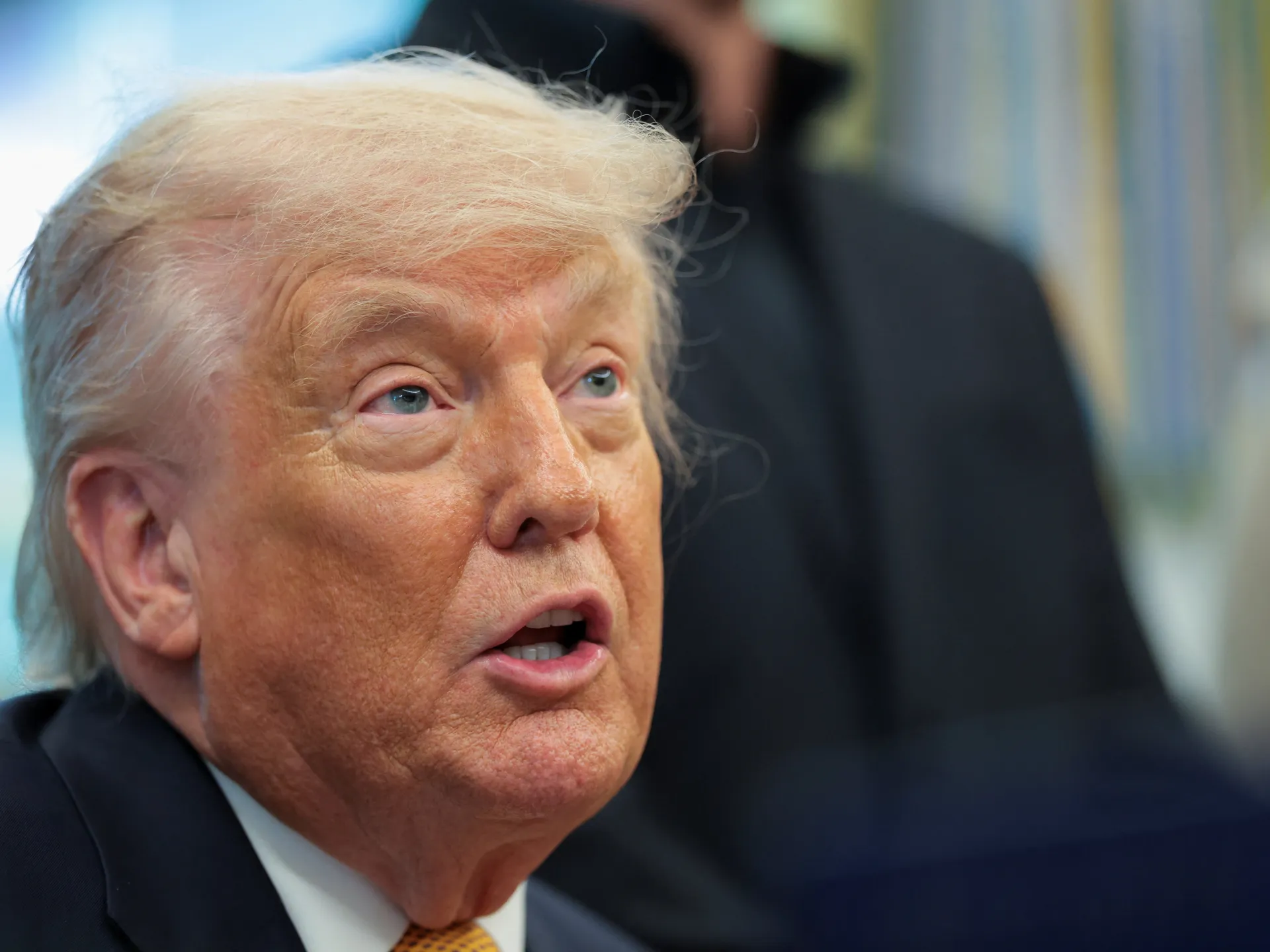
US President Donald Trump has directed the European Union to finalise a proposed trade agreement by July 4, warning that failure to comply will trigger an immediate increase in tariffs on European goods to 25 per cent. The announcement, delivered via social media, frames the deadline as coinciding with the 250th birthday of the United States, suggesting that the bloc must complete its obligations to avoid punitive measures.
The ultimatum follows a conversation described by the President as a "great call" with European Commission President Ursula von der Leyen regarding a "Historic Trade Deal" allegedly agreed upon in Turnberry, Scotland. While the White House asserts that the 27-nation bloc has committed to cutting tariffs to zero under this framework, the European Union has not officially confirmed that the agreement is finalised. Trump stated that a promise was made for the EU to deliver its side of the deal, and warned that non-compliance would result in tariffs jumping to much higher levels.
Specific threats to the automotive sector were highlighted, with the President indicating that tariffs on EU cars and trucks would rise from 15 per cent to 25 per cent. This move targets a sector that the European Automobile Manufacturers' Association notes accounts for 8 per cent of total trade between the United States and the EU. Under the original terms of the framework, the US charged a 15 per cent tax on most imported goods, though a 10 per cent tariff has been levied since a Supreme Court ruling while investigations into trade imbalances and national security issues continue.
Beyond trade, the two leaders reportedly discussed Iran during the exchange. Trump stated that both sides agreed Tehran must never possess a nuclear weapon, adding a layer of geopolitical tension to the commercial dispute. The administration maintains that the conflict in the region is effectively concluded, a stance reiterated in recent days despite the absence of a visible diplomatic solution on the horizon.
The timing of the ultimatum occurs against a backdrop of significant diplomatic activity, including a state visit by King Charles to the United States. The British monarch's four-day trip, which includes a private meeting with President Trump and an address to Congress, is proceeding as planned despite a shooting at a White House dinner attended by the President. The visit aims to strengthen US-British relations, even as differences over the Iran war persist.
While the White House insists on the validity of the Turnberry agreement, the lack of finalisation by the European Commission creates uncertainty regarding the enforcement of the new tariff rates. The administration's reliance on social media to convey these policy shifts underscores a direct approach to diplomatic pressure, bypassing traditional channels to demand immediate action from Brussels.