US President Trump arrives in Beijing to address Iran conflict and regional stability with President Xi Jinping
The state visit aims to rebalance US-China relations through reciprocity, though officials confirm no shift in the American stance on Taiwan is expected despite the focus on de-escalating the war in Iran.
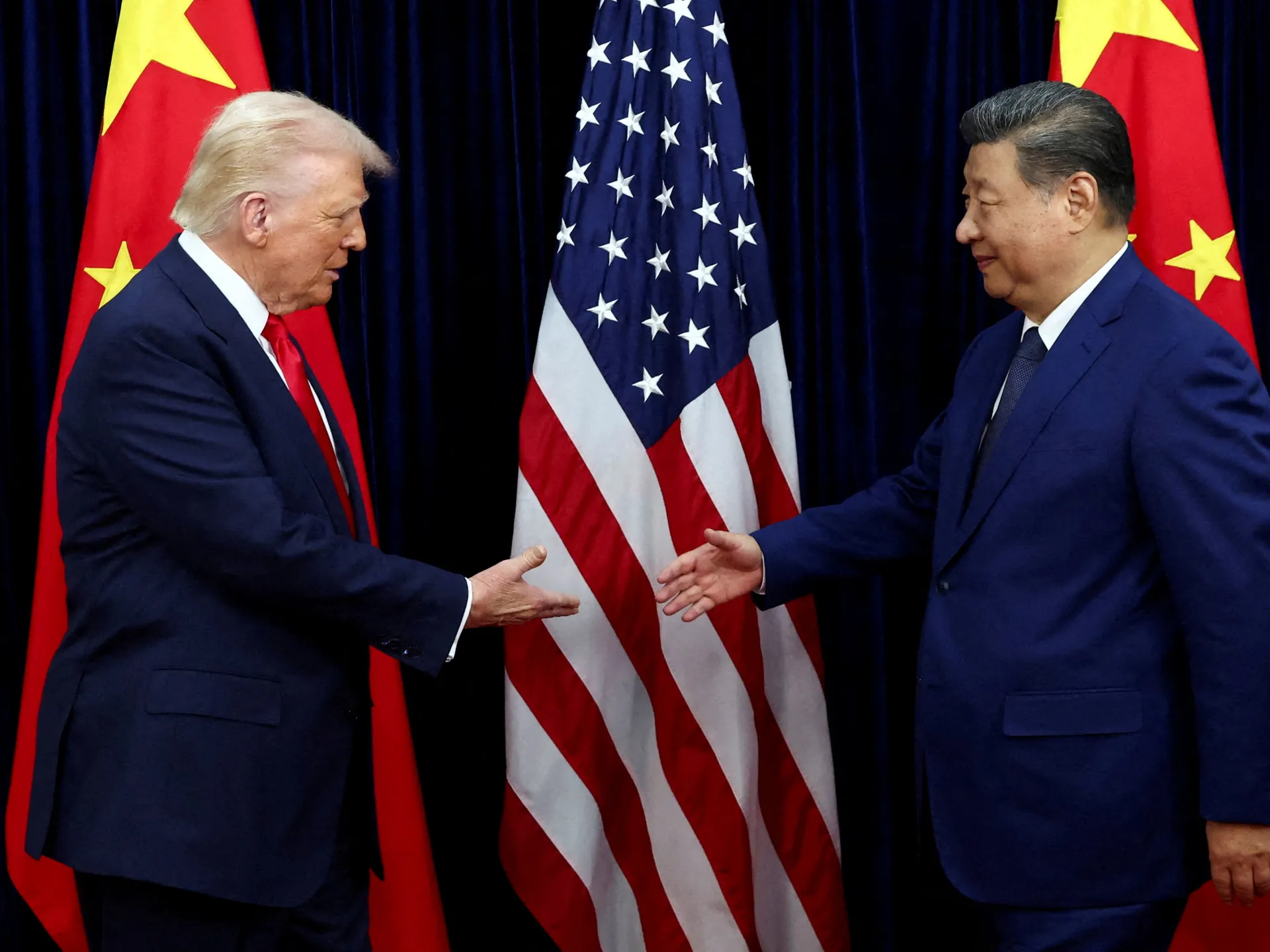
US President Donald Trump is scheduled to arrive in Beijing on Wednesday evening to meet with Chinese President Xi Jinping, marking a significant diplomatic engagement focused on the ongoing war in Iran and broader regional stability. The itinerary, confirmed by White House Principal Deputy Press Secretary Anna Kelly, features an opening ceremony followed by a formal meeting between the two leaders on Thursday morning, with the visit concluding on Friday. Kelly described the trip as possessing tremendous symbolic significance, emphasising a strategic pivot to rebalance the relationship with China by prioritising reciprocity and fairness to restore American economic independence.
Central to the agenda are serious discussions regarding China's economic engagement with Tehran, specifically concerning the purchase of Iranian oil and potential dual-use military-civilian goods. A senior administration official indicated that President Trump intends to apply pressure on Beijing in these areas, following accusations that China is funding Iran's activities. This stance was reinforced by US Treasury Secretary Scott Bessent, who recently stated that China purchases 90 per cent of Iran's energy, effectively funding the largest state sponsor of terrorism. The administration views these transactions as a critical lever in its broader strategy to manage the fallout from the conflict.
The timing of the visit coincides with heightened tensions in the Middle East, particularly after Iran closed the Strait of Hormuz in response to recent US-Israeli attacks, disrupting a key artery for global energy transport. While China has expressed a desire for the war to end and hosted Iranian Foreign Minister Abbas Arraghchi, it has refused to recognise Washington's unilateral sanctions on Iran's oil sector. This diplomatic divergence complicates the US objective of containing the conflict's fallout, especially as previous peace proposals from Tehran offering to end the war in exchange for sanctions relief were categorically rejected by President Trump.
Beyond the immediate focus on Iran, the summit is expected to address other friction points within the bilateral relationship, including China's support for Russia and trade disputes over rare earth minerals, a resource vital to the US technology sector. Business executives from major entities such as Boeing and several agricultural companies are accompanying the US delegation, underscoring the administration's intent to link high-level political dialogue with commercial interests. However, officials have made it clear that these talks will not result in any changes to the US position on Taiwan, which remains a primary sticking point defined by deep American security and economic commitments to the self-ruling island.
The diplomatic momentum for this visit follows a postponement from earlier this year, which occurred in March due to the escalation of the war between the US and Israel. The current engagement comes as the administration seeks to restore stability both domestically and abroad, with the symbolic gesture of hosting the Chinese leader during a reciprocal visit planned for later this year. Despite the high-profile nature of the meeting, the specific outcomes or concessions sought by the US regarding oil purchases remain unconfirmed, leaving the extent of any policy shifts uncertain.
Concurrently, the White House is managing a complex diplomatic calendar, as King Charles' state visit to the United States proceeds despite a recent shooting at a White House dinner. This dual focus highlights the administration's efforts to strengthen alliances across the Atlantic and Pacific, though the underlying tensions regarding the Iran conflict and regional security continue to cast a shadow over potential de-escalation efforts in the Middle East.